

Hey there! As a supplier of UV flatbed printers, I've been getting a lot of questions lately about the environmental impact of these machines. So, I thought I'd take some time to break it down and give you the lowdown on what's going on behind the scenes.
Let's start with the basics. UV flatbed printers are pretty cool pieces of tech. They use ultraviolet (UV) light to cure ink instantly as it's printed onto a surface. This means you can print on all sorts of materials, from wood and metal to glass and plastic. And because the ink dries so quickly, you don't have to worry about smudging or waiting around for the print to dry.
Now, let's talk about the environmental side of things. One of the biggest advantages of UV flatbed printers is that they use less ink compared to traditional printing methods. This is because the UV ink is more concentrated and doesn't spread out as much on the surface. So, you're not only saving money on ink costs, but you're also reducing the amount of waste that goes into landfills.
Another great thing about UV flatbed printers is that they produce less volatile organic compounds (VOCs). VOCs are chemicals that can evaporate into the air and contribute to air pollution. Traditional printing inks often contain high levels of VOCs, which can be harmful to both the environment and human health. But UV inks are cured by UV light, which means they don't release as many VOCs into the air. This makes them a much more environmentally friendly option.
But it's not all sunshine and rainbows. There are still some environmental concerns when it comes to UV flatbed printers. For example, the UV lamps used in these printers consume a significant amount of energy. This can lead to higher electricity bills and a larger carbon footprint. However, many manufacturers are now using more energy-efficient UV lamps and implementing power-saving features to reduce energy consumption.
Another issue is the disposal of UV ink cartridges and other printing materials. These materials can contain hazardous chemicals, so it's important to dispose of them properly. Most suppliers, including us, offer recycling programs for ink cartridges and other waste materials. By participating in these programs, you can help reduce the environmental impact of your printing operations.
Now, let's take a look at some of the specific environmental impacts of different types of UV flatbed printers.
Commercial UV Printer
Commercial UV printers are designed for high-volume printing jobs. They're often used in industries such as advertising, packaging, and signage. These printers typically have larger print heads and can print at higher speeds, which means they can produce a lot of prints in a short amount of time.
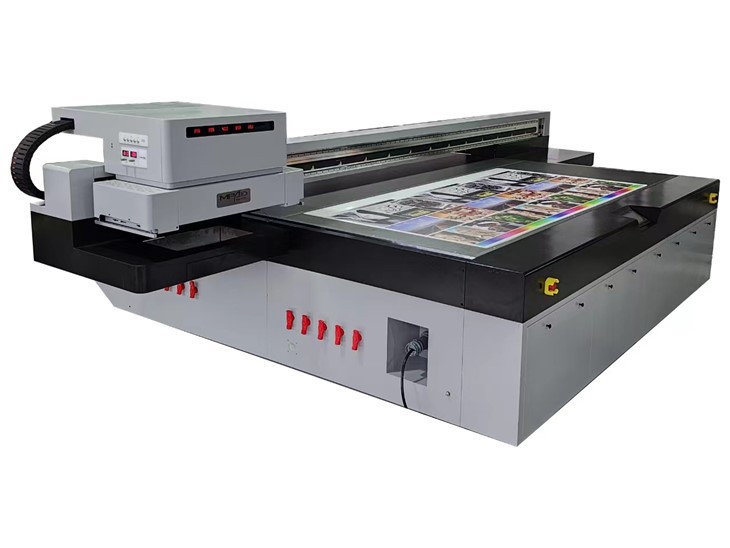
The environmental impact of commercial UV printers can vary depending on the specific model and the type of ink used. However, in general, they tend to use more energy and ink compared to smaller, desktop models. This is because they need to power larger print heads and UV lamps to achieve high-speed printing.
But don't let that scare you off. Many commercial UV printers now come with energy-saving features and advanced ink management systems that can help reduce their environmental impact. For example, some printers can automatically adjust the ink flow based on the print job, which can help save ink and reduce waste.
If you're interested in learning more about commercial UV printers, you can check out our Commercial UV Printer page.
Flatbed UV Led
Flatbed UV LED printers are a newer type of UV flatbed printer that use LED technology instead of traditional UV lamps. LED lamps are more energy-efficient and have a longer lifespan compared to traditional UV lamps. This means they consume less energy and need to be replaced less often, which can help reduce the environmental impact of the printer.
In addition to being more energy-efficient, flatbed UV LED printers also produce less heat. This can be beneficial in environments where temperature control is important, such as in a printing studio or a manufacturing facility.
Another advantage of flatbed UV LED printers is that they can use a wider range of inks, including eco-friendly inks. These inks are made from natural or recycled materials and have a lower environmental impact compared to traditional inks.
If you're looking for a more environmentally friendly option, you might want to consider a Flatbed UV Led printer.
UV Printing Flatbed
UV printing flatbeds are versatile machines that can print on a variety of flat surfaces. They're often used for printing on products such as phone cases, promotional items, and custom signage.
The environmental impact of UV printing flatbeds is similar to that of other UV flatbed printers. They use less ink and produce fewer VOCs compared to traditional printing methods. However, they still consume energy and require proper disposal of ink cartridges and other waste materials.
One thing to keep in mind is that the size of the print bed can affect the environmental impact of the printer. Larger print beds require more energy to operate and can use more ink. So, if you're only printing small items, you might want to consider a smaller print bed to reduce your environmental footprint.
If you're interested in learning more about UV printing flatbeds, you can visit our UV Printing Flatbed page.
So, there you have it! That's a quick overview of the environmental impact of UV flatbed printers. As you can see, these printers have both advantages and disadvantages when it comes to the environment. But with the right technology and practices, you can minimize their environmental impact and still enjoy the benefits of high-quality, versatile printing.
If you're in the market for a UV flatbed printer and want to learn more about our products, feel free to reach out to us. We'd be happy to answer any questions you have and help you find the right printer for your needs. Let's work together to make your printing operations more environmentally friendly!
References
- "UV Printing Technology: A Comprehensive Guide." Printing Industry Association of America.
- "Environmental Impact of Printing Technologies." Environmental Protection Agency.
- "Energy Efficiency in UV Printing." International Energy Agency.