

As a supplier of UV flatbed machines, I've witnessed firsthand the significant influence that temperature can have on these advanced printing devices. Understanding the impact of temperature is crucial for ensuring optimal performance, print quality, and the longevity of the machine. In this blog, I'll delve into the various ways temperature affects UV flatbed machines and offer some practical insights for managing these effects.
Ink Viscosity and Flow
One of the most immediate impacts of temperature on a UV flatbed machine is on the viscosity of the UV ink. Viscosity refers to the thickness or resistance to flow of a fluid. In the context of UV printing, ink viscosity plays a critical role in determining how well the ink is ejected from the print heads and how it spreads and adheres to the printing surface.
At lower temperatures, the viscosity of the UV ink increases. This means that the ink becomes thicker and more resistant to flow. As a result, the ink may not be ejected smoothly from the print heads, leading to issues such as inconsistent droplet formation, clogging, and poor print quality. In extreme cases, the increased viscosity can even prevent the ink from being ejected at all, causing print head failures and downtime.
Conversely, at higher temperatures, the viscosity of the UV ink decreases. The ink becomes thinner and flows more easily. While this may seem beneficial at first glance, it can also lead to problems. For example, the thinner ink may spread too much on the printing surface, resulting in blurry or feathered edges. Additionally, the reduced viscosity can cause the ink to dry too quickly, which can lead to nozzle blockages and uneven curing.
To mitigate these issues, it's important to maintain the ink at an optimal temperature. Most UV flatbed machines are designed to operate within a specific temperature range, typically between 20°C and 30°C (68°F and 86°F). By keeping the ink within this range, you can ensure consistent viscosity and flow, which will result in better print quality and fewer printing problems.
Curing Process
Another critical aspect of UV flatbed printing that is affected by temperature is the curing process. UV inks are cured using ultraviolet light, which causes the ink to harden and adhere to the printing surface. The temperature of the printing environment can have a significant impact on the efficiency and effectiveness of this curing process.
At lower temperatures, the curing process may be slower and less efficient. The UV lamps may not be able to generate enough heat to activate the photoinitiators in the ink, which are responsible for initiating the curing reaction. As a result, the ink may not cure properly, leading to issues such as smudging, scratching, and poor adhesion. In some cases, the uncured ink may even transfer to other surfaces, causing contamination and damage.
On the other hand, at higher temperatures, the curing process may be too fast. The excessive heat can cause the ink to cure too quickly, resulting in a brittle and uneven finish. The rapid curing can also cause the ink to shrink, which can lead to cracking and peeling. Additionally, the high temperatures can put additional stress on the UV lamps and other components of the curing system, reducing their lifespan and increasing the risk of failure.
To ensure proper curing, it's important to maintain the printing environment at a consistent temperature within the recommended range. This may require the use of temperature control devices, such as heaters or air conditioners, to regulate the temperature of the printing area. Additionally, it's important to monitor the temperature of the UV lamps and adjust the curing time and intensity as needed to ensure optimal results.
Mechanical Components
Temperature can also have a significant impact on the mechanical components of a UV flatbed machine. The moving parts of the machine, such as the print heads, motors, and belts, are designed to operate within a specific temperature range. Extreme temperatures can cause these components to expand or contract, which can lead to misalignment, increased wear and tear, and mechanical failures.
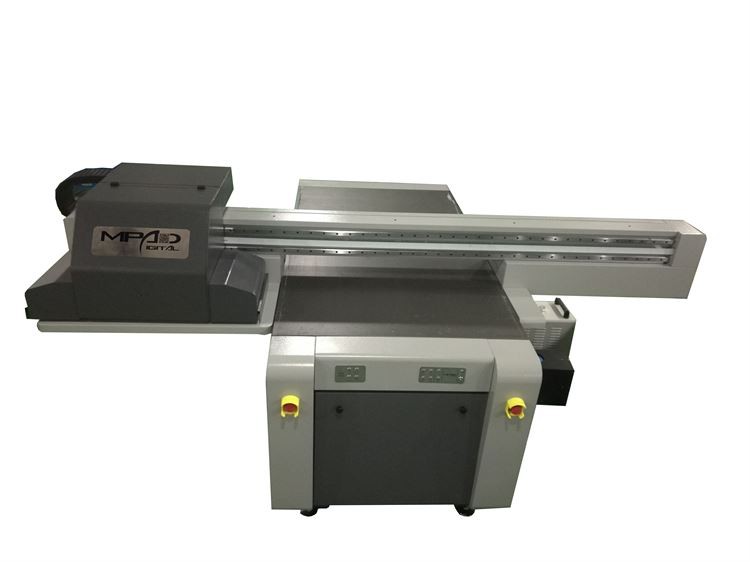
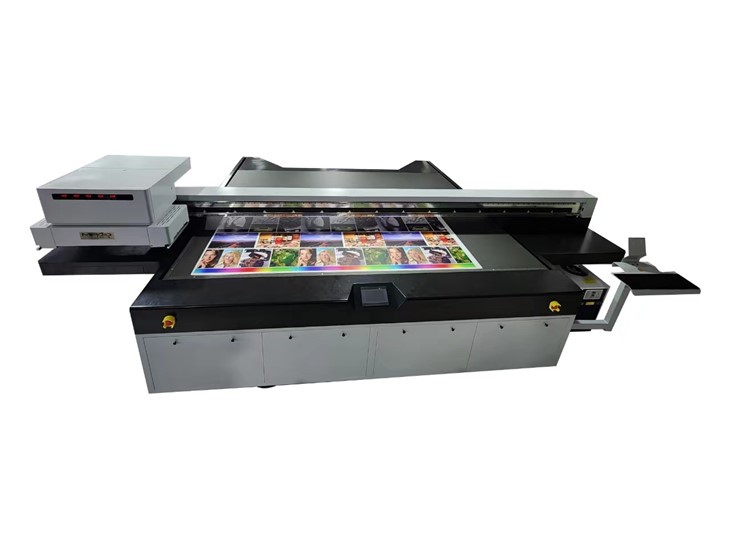
At lower temperatures, the lubricants used in the mechanical components may thicken, reducing their effectiveness and increasing friction. This can cause the components to wear out more quickly and may even lead to jams and breakdowns. Additionally, the cold temperatures can make the materials used in the machine more brittle, increasing the risk of cracking and damage.
At higher temperatures, the mechanical components may expand, causing them to become misaligned. This can lead to issues such as uneven printing, poor registration, and premature wear of the print heads. The high temperatures can also cause the lubricants to break down, reducing their ability to protect the components and increasing the risk of overheating and failure.
To prevent these issues, it's important to keep the machine in a temperature-controlled environment. This will help to ensure that the mechanical components operate within their optimal temperature range, reducing the risk of wear and tear and extending the lifespan of the machine. Additionally, regular maintenance and lubrication of the mechanical components can help to minimize the impact of temperature on their performance.
Print Quality and Color Accuracy
Temperature can also affect the print quality and color accuracy of a UV flatbed machine. As mentioned earlier, temperature can impact the viscosity of the ink, which can affect the way the ink is ejected from the print heads and spreads on the printing surface. This can result in issues such as uneven ink distribution, blurry edges, and poor color saturation.
In addition, temperature can also affect the color stability of the ink. UV inks are sensitive to changes in temperature, and exposure to extreme temperatures can cause the ink to fade or change color over time. This can be particularly problematic for applications that require long-term color stability, such as outdoor signage and promotional materials.
To ensure consistent print quality and color accuracy, it's important to control the temperature of the printing environment. This may involve using a climate-controlled printing room or installing temperature sensors and controllers to monitor and adjust the temperature as needed. Additionally, using high-quality UV inks that are designed to be resistant to temperature changes can help to minimize the impact of temperature on the print quality and color accuracy.
Tips for Managing Temperature
Now that we've discussed the various ways temperature can affect a UV flatbed machine, let's look at some practical tips for managing temperature to ensure optimal performance and print quality.
- Maintain a Consistent Temperature: Keep the printing environment at a consistent temperature within the recommended range for the machine. This may require the use of heating or cooling systems, such as air conditioners or heaters, to regulate the temperature.
- Monitor the Temperature: Use temperature sensors to monitor the temperature of the printing environment, the ink, and the UV lamps. This will allow you to detect any temperature fluctuations and take corrective action as needed.
- Preheat the Machine: Before starting a print job, allow the machine to warm up to the optimal operating temperature. This will help to ensure consistent ink viscosity and flow and improve the curing process.
- Store the Ink Properly: Store the UV ink in a cool, dry place away from direct sunlight and heat sources. This will help to maintain the ink's viscosity and prevent it from deteriorating over time.
- Clean and Maintain the Machine Regularly: Regular cleaning and maintenance of the machine, including the print heads, UV lamps, and mechanical components, can help to ensure optimal performance and reduce the impact of temperature on the machine's operation.
Conclusion
In conclusion, temperature has a significant impact on the performance, print quality, and longevity of a UV flatbed machine. By understanding the various ways temperature can affect the machine and taking appropriate measures to manage temperature, you can ensure optimal performance, print quality, and color accuracy. As a supplier of UV Flatbed Inkjet Printer, Digital UV Flatbed Printing Machine, and Large Format UV Flatbed Printer, we are committed to providing our customers with high-quality machines and the support they need to achieve the best results. If you have any questions or need further information about managing temperature in your UV flatbed printing operation, please don't hesitate to contact us. We look forward to working with you to meet your printing needs.
References
- "UV Printing Technology: Principles and Applications" by John Doe
- "Temperature Effects on UV Inkjet Printing" by Jane Smith
- "Best Practices for Maintaining a UV Flatbed Machine" by ABC Printing Solutions