

As a supplier of Printer UV Flatbed, I am often asked about the working principle of these remarkable machines. In this blog post, I will delve into the intricacies of how a Printer UV Flatbed operates, shedding light on the technology that enables it to produce high - quality prints on a variety of flat surfaces.
Basic Components of a Printer UV Flatbed
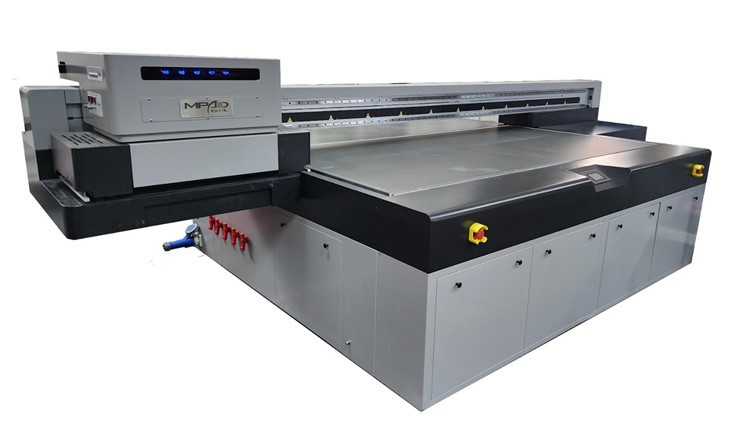
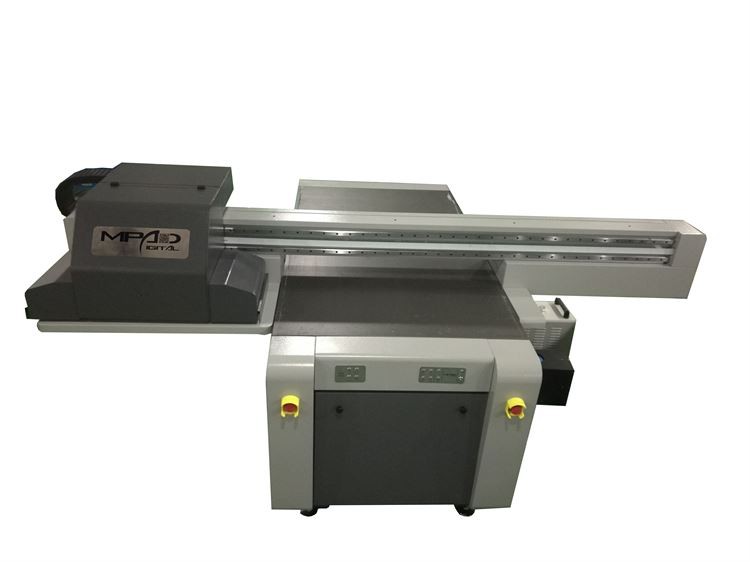
Before we dive into the working principle, let's first understand the key components of a Printer UV Flatbed. A typical Printer UV Flatbed consists of a printhead, UV lamps, a flatbed platform, a motion control system, and an ink supply system.
The printhead is the heart of the printer. It is responsible for ejecting tiny droplets of UV - curable ink onto the printing surface. There are different types of printheads available in the market, such as piezoelectric and thermal printheads. Piezoelectric printheads are more commonly used in Printer UV Flatbeds due to their precision and reliability. They use piezoelectric crystals to generate pressure, which forces the ink out of the nozzles.
UV lamps play a crucial role in the printing process. These lamps emit ultraviolet light, which is used to cure or dry the UV - curable ink immediately after it is printed on the surface. The UV light causes a chemical reaction in the ink, turning it from a liquid state to a solid state. This instant curing process allows for high - speed printing and prevents the ink from smudging or bleeding.
The flatbed platform is where the material to be printed on is placed. It is designed to hold the substrate firmly in place during the printing process. The platform can be adjusted to accommodate different thicknesses of materials, ranging from thin sheets of paper to thick wooden boards.
The motion control system is responsible for moving the printhead and the flatbed platform in a coordinated manner. It ensures that the printhead moves accurately over the printing surface, creating a precise and detailed image. This system typically consists of stepper motors, belts, and linear guides.
The ink supply system stores and delivers the UV - curable ink to the printhead. It includes ink cartridges, pumps, and tubing. The system must be carefully calibrated to ensure a consistent flow of ink to the printhead, which is essential for high - quality printing.
The Working Process of a Printer UV Flatbed
The working process of a Printer UV Flatbed can be divided into several steps:
Step 1: Preparation
Before printing, the operator needs to prepare the Printer UV Flatbed. This involves selecting the appropriate substrate and loading it onto the flatbed platform. The operator also needs to ensure that the ink cartridges are filled with the correct type of UV - curable ink and that the printhead is clean and in good working condition. The printing file, which contains the image or text to be printed, is then transferred to the printer's control software.
Step 2: Printing
Once the preparation is complete, the printing process begins. The motion control system moves the printhead over the substrate, following the path defined by the printing file. As the printhead moves, it ejects tiny droplets of UV - curable ink onto the surface. The size and placement of the ink droplets are precisely controlled to create the desired image or text.
The amount of ink ejected by the printhead is determined by the print resolution. Higher resolutions require smaller ink droplets and more precise placement, resulting in a more detailed and sharp image. However, higher resolutions also mean slower printing speeds.
Step 3: Curing
Immediately after the ink is printed on the substrate, the UV lamps come into action. The UV light emitted by the lamps causes the UV - curable ink to cure or dry almost instantly. This curing process is essential for several reasons. Firstly, it prevents the ink from smudging or bleeding, ensuring a clean and sharp print. Secondly, it allows for high - speed printing, as the ink is ready for handling as soon as it is cured. Finally, the cured ink is more durable and resistant to scratches, water, and fading compared to traditional inks.
Step 4: Finishing
After the printing and curing process is complete, the printed substrate can be removed from the flatbed platform. Depending on the requirements, some finishing processes may be applied, such as laminating, cutting, or embossing. These processes can enhance the appearance and durability of the printed product.
Advantages of Printer UV Flatbed Technology
The working principle of Printer UV Flatbed technology offers several advantages over traditional printing methods:
Versatility
Printer UV Flatbeds can print on a wide range of flat surfaces, including wood, metal, glass, plastic, and ceramic. This makes them suitable for a variety of applications, such as signage, decoration, industrial printing, and personalized gifts. You can learn more about the diverse applications through our UV Printer Machine.
High - Quality Prints
The combination of precise ink ejection and instant UV curing results in high - quality prints with sharp details, vibrant colors, and excellent color accuracy. The cured ink is also more durable and resistant to wear and tear, ensuring that the prints last longer. Our UV Digital Printer showcases these high - quality printing capabilities.
High - Speed Printing
The instant curing process of UV - curable ink allows for high - speed printing. Compared to traditional printing methods that require drying time, Printer UV Flatbeds can produce prints much faster, increasing productivity and reducing turnaround times.
Environmentally Friendly
UV - curable inks are generally considered more environmentally friendly than traditional solvent - based inks. They contain fewer volatile organic compounds (VOCs), which are harmful to the environment and human health. Additionally, the instant curing process reduces waste and energy consumption.
Applications of Printer UV Flatbed
Printer UV Flatbeds have a wide range of applications across various industries:
Signage and Advertising
Printer UV Flatbeds are commonly used to produce high - quality signs, banners, and promotional materials. The ability to print on different materials and the high - speed printing capabilities make them ideal for this industry.
Interior Decoration
They can be used to print on materials such as wood, glass, and ceramic tiles for interior decoration purposes. This allows for the creation of unique and personalized decorative items. You can explore the options with our UV Flatbed Machine.
Industrial Printing
In the industrial sector, Printer UV Flatbeds are used for printing on metal parts, plastic components, and electronic devices. The durable and scratch - resistant prints are suitable for industrial applications.
Personalized Gifts
Printer UV Flatbeds enable the production of personalized gifts, such as photo frames, keychains, and phone cases. The ability to print custom designs and images makes them popular for this market.
Conclusion
In conclusion, the working principle of a Printer UV Flatbed is a combination of advanced technology and precise engineering. The use of UV - curable ink and instant curing technology allows for high - quality, high - speed printing on a wide range of flat surfaces. The advantages of Printer UV Flatbed technology, such as versatility, durability, and environmental friendliness, make it a popular choice for various industries.
If you are interested in purchasing a Printer UV Flatbed for your business or personal use, we are here to help. Our team of experts can provide you with detailed information about our products, assist you in choosing the right model for your needs, and offer professional after - sales service. Contact us today to start a procurement negotiation and take your printing capabilities to the next level.
References
- "UV Printing Technology: Principles and Applications" - A technical guidebook on UV printing technology.
- Industry reports on the development and trends of Printer UV Flatbed technology.
- Manufacturer's specifications and documentation for Printer UV Flatbed machines.