

Print saturation is a crucial concept in the realm of flatbed printing, a technology we're deeply involved in as a flatbed printer supplier. It significantly impacts the quality and visual appeal of printed materials, and understanding it is essential for both professionals in the printing industry and those looking to invest in high - quality printing solutions.
Understanding Print Saturation
Print saturation refers to the intensity or density of color in a printed image. It is a measure of how vivid and rich the colors appear on the printed surface. In simple terms, high print saturation means that the colors are bright, bold, and fully expressed, while low saturation results in more muted, pastel - like colors.
When it comes to flatbed printers, achieving the right print saturation is a delicate balance. On one hand, we want to produce prints with vibrant colors that catch the eye and make a strong visual impact. On the other hand, excessive saturation can lead to color bleeding, loss of detail, and an overall unprofessional look.
Factors Affecting Print Saturation in Flatbed Printers
- Ink Quality and Type
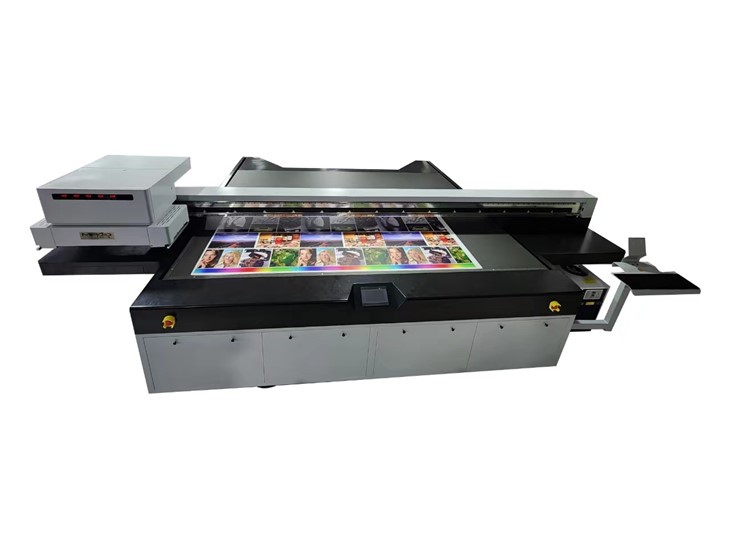
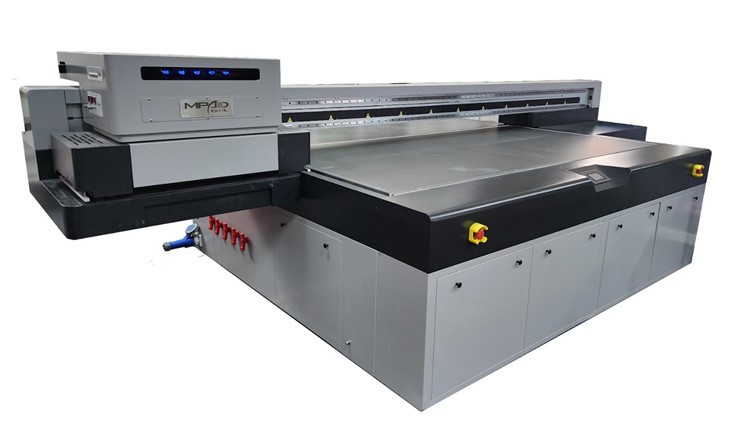
The quality of the ink used in a flatbed printer plays a vital role in print saturation. High - quality inks are formulated to provide better color intensity and coverage. For example, UV inks, which are commonly used in Large Format UV Flatbed Printer, offer excellent saturation due to their quick - drying and high - pigment content. These inks can adhere well to various substrates, ensuring that the colors remain vivid and long - lasting.
Different types of inks also have different saturation capabilities. Solvent - based inks, for instance, can produce deep, saturated colors on certain materials, but they may require proper ventilation due to their chemical nature. Water - based inks, on the other hand, are more environmentally friendly but may have slightly lower saturation levels, especially on non - porous surfaces. - Substrate Characteristics
The substrate, or the material on which the printing is done, has a significant impact on print saturation. Porous substrates, such as paper and fabric, tend to absorb ink more readily, which can result in good color saturation. However, if the substrate is too porous, it may cause the ink to spread too much, leading to a loss of sharpness.
Non - porous substrates, like glass, metal, and plastic, require special inks and printing techniques to achieve optimal saturation. UV Printing Flatbed is particularly well - suited for non - porous materials as the UV inks can be cured instantly, preventing the ink from spreading and ensuring high - saturation prints. - Printer Settings
The settings of the flatbed printer itself can greatly affect print saturation. The print resolution, for example, determines the number of dots per inch (DPI) that the printer can produce. Higher DPI settings generally result in more detailed and saturated prints, as more ink is deposited on the substrate. However, increasing the DPI also increases the printing time and may require more ink.
The ink flow rate is another important setting. Adjusting the ink flow can control the amount of ink applied to the substrate. A higher ink flow rate can lead to more saturated colors, but it also increases the risk of ink pooling and color bleeding. Printers like Flatbed UV Led often come with advanced ink control systems that allow for precise adjustment of these settings to achieve the desired saturation. - Printing Environment
The environment in which the printing takes place can also influence print saturation. Temperature and humidity can affect the drying time of the ink and the way it adheres to the substrate. In a hot and dry environment, the ink may dry too quickly, resulting in uneven saturation. Conversely, in a cold and humid environment, the ink may take longer to dry, increasing the risk of smudging and color bleeding.
Measuring Print Saturation
Measuring print saturation is not always straightforward, as it involves both objective and subjective factors. One common way to measure saturation objectively is through the use of a spectrophotometer. This device measures the amount of light reflected or absorbed by the printed colors and provides numerical values that can be used to quantify saturation.
Subjectively, print saturation can be evaluated by comparing the printed image to a reference or by simply relying on visual inspection. A trained eye can often detect differences in saturation levels and determine whether the colors are too muted or overly saturated.
Importance of Print Saturation in Different Applications
- Advertising and Marketing Materials
In the world of advertising and marketing, print saturation is of utmost importance. Vibrant and eye - catching colors can make a significant difference in attracting the attention of potential customers. Brochures, posters, and banners with high - saturation prints are more likely to stand out in a crowded marketplace and convey the intended message effectively. - Fine Art Reproduction
For artists and art galleries, achieving accurate print saturation is crucial for reproducing fine artworks. The ability to reproduce the exact colors and saturation levels of an original painting or photograph ensures that the print retains the artistic integrity of the piece. Flatbed printers with high - quality ink systems and precise color management can produce prints that are almost indistinguishable from the original. - Product Labeling
Product labels need to be visually appealing and legible. High - saturation prints can make the labels more attractive and help the product stand out on the shelves. Additionally, accurate color saturation is important for maintaining brand consistency and ensuring that the label accurately represents the product.
Optimizing Print Saturation in Flatbed Printing
As a flatbed printer supplier, we understand the importance of helping our customers achieve optimal print saturation. Here are some tips to optimize print saturation:
- Choose the Right Ink and Substrate Combination
Selecting the appropriate ink and substrate is the first step in achieving good print saturation. Consult with our experts to determine the best ink type for your specific substrate and printing requirements. - Calibrate the Printer Regularly
Regular calibration of the flatbed printer ensures that the colors are accurately reproduced. This includes adjusting the printer settings, such as ink flow and color profiles, to match the desired saturation levels. - Control the Printing Environment
Maintain a stable printing environment by controlling the temperature and humidity. This can help ensure consistent print quality and prevent issues related to ink drying and adhesion.
Conclusion
Print saturation is a complex yet essential aspect of flatbed printing. It is influenced by a variety of factors, including ink quality, substrate characteristics, printer settings, and the printing environment. As a flatbed printer supplier, we are committed to providing our customers with high - quality printers and the expertise needed to achieve optimal print saturation. Whether you're in the advertising industry, fine art reproduction, or product labeling, understanding and controlling print saturation can help you produce stunning prints that meet your specific needs.
If you're interested in learning more about our flatbed printers or need assistance in optimizing print saturation for your projects, we encourage you to reach out to us. Our team of experts is ready to help you find the best printing solutions for your business.
References
- Smith, J. (2018). "Advanced Printing Technologies: Color Management and Saturation." Printing Press, Inc.
- Johnson, A. (2019). "The Impact of Substrate on Print Quality in Flatbed Printing." Journal of Printing Science and Technology.
- Brown, C. (2020). "Ink Formulation and Its Effect on Print Saturation." Ink Research Journal.