

As a supplier of Spot UV Printers, I often get asked about the printing cost per square meter of these advanced machines. This topic is crucial for businesses looking to invest in a Spot UV Printer, as it directly impacts their bottom line. In this blog post, I'll break down the factors that contribute to the printing cost per square meter and provide you with a comprehensive understanding of what to expect.
Understanding Spot UV Printing
Before we dive into the cost analysis, let's briefly understand what Spot UV printing is. Spot UV printing is a technique that applies a clear, high - gloss coating to specific areas of a printed piece, creating a striking contrast between the shiny UV - coated parts and the matte or regular printed areas. This effect adds a premium look and feel to the printed materials, making them stand out.
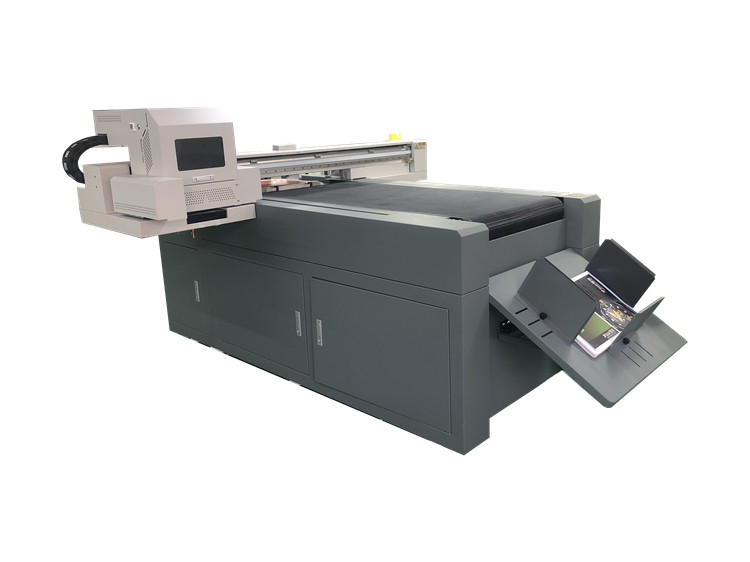
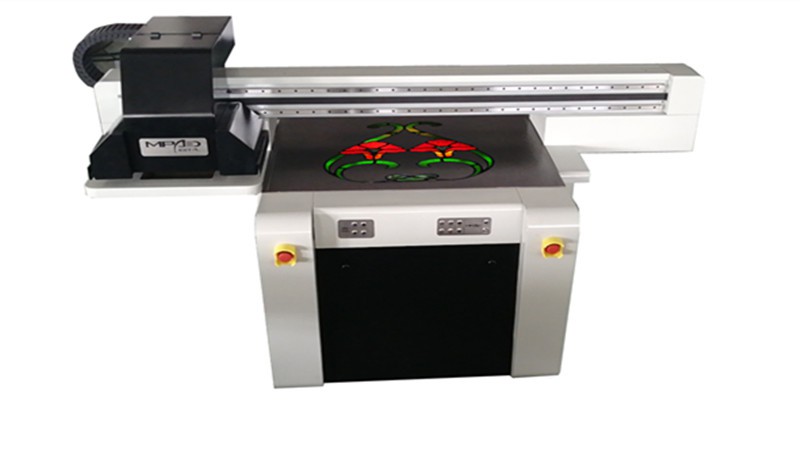
There are different types of printers used for Spot UV printing, such as UV Spot Printer, UV Varnish Printer, and Spot UV Coating Machine. Each type has its own features and cost implications.
Factors Affecting the Printing Cost per Square Meter
1. UV Varnish or Ink Cost
The UV varnish or ink used in Spot UV printing is one of the primary cost factors. High - quality UV varnishes and inks can be relatively expensive, but they also offer better adhesion, gloss, and durability. The price of UV varnish or ink can vary depending on the brand, quality, and the specific requirements of the printing job. On average, the cost of UV varnish or ink can range from $X to $Y per liter.
To calculate the amount of varnish or ink needed per square meter, you need to consider the coverage rate. The coverage rate is usually specified by the manufacturer and is measured in square meters per liter. For example, if the coverage rate of a UV varnish is 10 square meters per liter and the cost of the varnish is $20 per liter, the cost of varnish per square meter would be $2.
2. Substrate Cost
The substrate, or the material on which you are printing, also contributes to the overall cost. Different substrates have different prices, and the cost can vary based on factors such as material type (paper, cardboard, plastic, etc.), thickness, and quality. For instance, high - end coated papers will be more expensive than plain newsprint. The cost of the substrate per square meter can range from a few cents to several dollars, depending on the specific material.
3. Energy Consumption
Spot UV printers require energy to operate, including power for the printing heads, UV curing lamps, and other components. The energy consumption of a printer depends on its size, power rating, and the duration of operation. Larger printers with more powerful UV curing lamps will generally consume more energy.
To estimate the energy cost per square meter, you need to know the power consumption of the printer (in kilowatts) and the printing speed (in square meters per hour). You also need to consider the cost of electricity in your area. For example, if a printer consumes 2 kilowatts of power, has a printing speed of 10 square meters per hour, and the cost of electricity is $0.15 per kilowatt - hour, the energy cost per square meter would be $0.03.
4. Maintenance and Depreciation
Regular maintenance is essential to keep a Spot UV printer in good working condition. Maintenance costs include things like cleaning supplies, replacement parts (such as print heads), and service fees. Additionally, the printer itself will depreciate over time. The cost of maintenance and depreciation can be spread out over the total number of square meters printed.
The maintenance cost per square meter can be estimated by dividing the total annual maintenance cost by the total number of square meters printed in a year. Depreciation cost can be calculated using methods such as straight - line depreciation, where you divide the initial cost of the printer by its expected useful life and the total number of square meters it can print over that life.
5. Labor Cost
If you have an operator running the Spot UV printer, labor cost is another factor to consider. The labor cost per square meter depends on the hourly wage of the operator and the time it takes to print one square meter. For example, if an operator is paid $15 per hour and it takes 0.1 hours to print one square meter, the labor cost per square meter would be $1.5.
Calculating the Total Printing Cost per Square Meter
To calculate the total printing cost per square meter, you need to sum up the costs from all the factors mentioned above. Let's assume the following costs for a sample printing job:
- UV varnish cost per square meter: $2
- Substrate cost per square meter: $1
- Energy cost per square meter: $0.03
- Maintenance and depreciation cost per square meter: $0.5
- Labor cost per square meter: $1.5
The total printing cost per square meter would be $2 + $1+ $0.03 + $0.5 + $1.5 = $5.03
Strategies to Reduce Printing Cost per Square Meter
1. Optimize Varnish or Ink Usage
You can work on optimizing the amount of UV varnish or ink used per square meter. This can be achieved by adjusting the printing settings, such as the dot size and coverage percentage. By fine - tuning these settings, you can reduce the amount of varnish or ink needed without sacrificing the quality of the print.
2. Choose the Right Substrate
Selecting the appropriate substrate for your printing job can help reduce costs. You don't always need to use the most expensive materials. Evaluate your requirements and choose a substrate that offers a good balance between cost and quality.
3. Improve Energy Efficiency
Look for ways to improve the energy efficiency of your printer. This can include using energy - saving modes, turning off the printer when not in use, and upgrading to more energy - efficient components.
4. Streamline Maintenance
Regular maintenance is important, but you can also look for ways to streamline the maintenance process. This could involve training your operators to perform basic maintenance tasks, or choosing a printer with a reputation for reliability and low maintenance requirements.
Conclusion
The printing cost per square meter of a Spot UV printer is influenced by multiple factors, including UV varnish or ink cost, substrate cost, energy consumption, maintenance and depreciation, and labor cost. By understanding these factors and implementing cost - reduction strategies, businesses can manage their printing costs more effectively.
If you are considering investing in a Spot UV Printer for your business, we are here to help. Our team of experts can provide you with detailed cost analysis based on your specific requirements. We offer a range of UV Spot Printer, UV Varnish Printer, and Spot UV Coating Machine models to suit different needs and budgets. Contact us today to start a discussion about your printing needs and how we can help you achieve cost - effective and high - quality Spot UV printing.
References
- Industry reports on printing technology and costs
- Manufacturer's specifications for Spot UV printers, UV varnishes, and substrates