

As a supplier of Printer UV Flatbed, I've received numerous inquiries regarding the static electricity resistance of prints from our machines. Static electricity can be a significant concern in the printing industry, as it can lead to various issues such as dust attraction, misalignment, and even damage to the printed materials. In this blog post, I'll delve into the topic of static electricity resistance of prints from a Printer UV Flatbed, exploring the factors that affect it and the measures we take to ensure high - quality, static - resistant prints.
Understanding Static Electricity in Printing
Static electricity is the imbalance of electric charges within or on the surface of a material. In the context of printing, it is commonly generated due to the friction between the printing media, the printhead, and other moving parts of the printer. When the UV flatbed printer is in operation, the rapid movement of the printhead and the feeding of the printing material can cause electrons to be transferred, resulting in a build - up of static charges.
The presence of static electricity in prints can have several negative impacts. Firstly, it can attract dust and debris from the surrounding environment. This not only affects the aesthetic quality of the print but can also cause clogging of the printhead nozzles, leading to inconsistent printing results. Secondly, static charges can cause the printed materials to stick together, making it difficult to separate and handle them. In some cases, static electricity can even cause damage to the electronic components of the printer, reducing its lifespan and reliability.
Factors Affecting Static Electricity Resistance of Prints
Printing Media
The type of printing media used plays a crucial role in determining the static electricity resistance of the prints. Different materials have different electrical properties, which can either promote or inhibit the build - up of static charges. For example, materials with high conductivity, such as metals and some types of treated plastics, are less likely to accumulate static electricity compared to insulating materials like paper and untreated plastics.
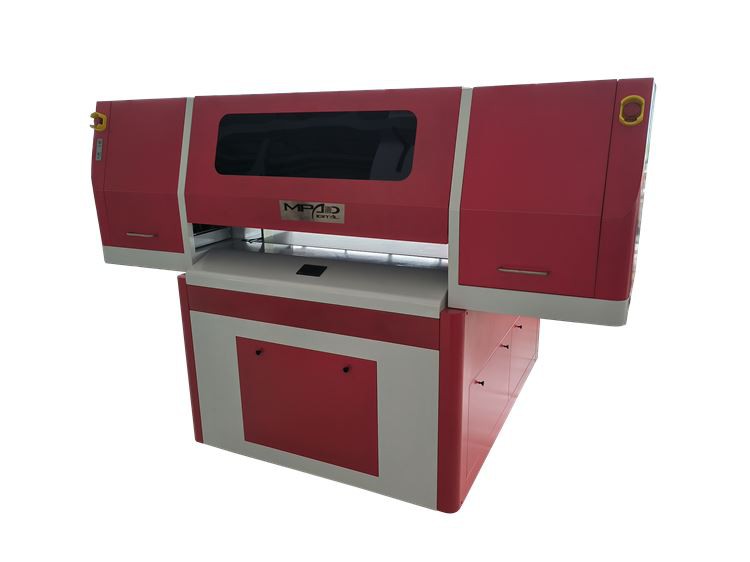
At our company, we offer a wide range of compatible printing media for our Small Format Flatbed Printer. Our experts can assist customers in selecting the most suitable media based on their specific requirements, taking into account factors such as static electricity resistance.
Ink Properties
The properties of the UV ink used in the flatbed printer also have an impact on the static electricity resistance of the prints. UV inks are formulated to dry quickly under UV light, which can sometimes lead to the generation of static charges during the curing process. However, our research and development team has been working on formulating inks with improved anti - static properties. These inks are designed to reduce the build - up of static electricity during printing and curing, resulting in cleaner and more reliable prints.
Printer Design and Operation
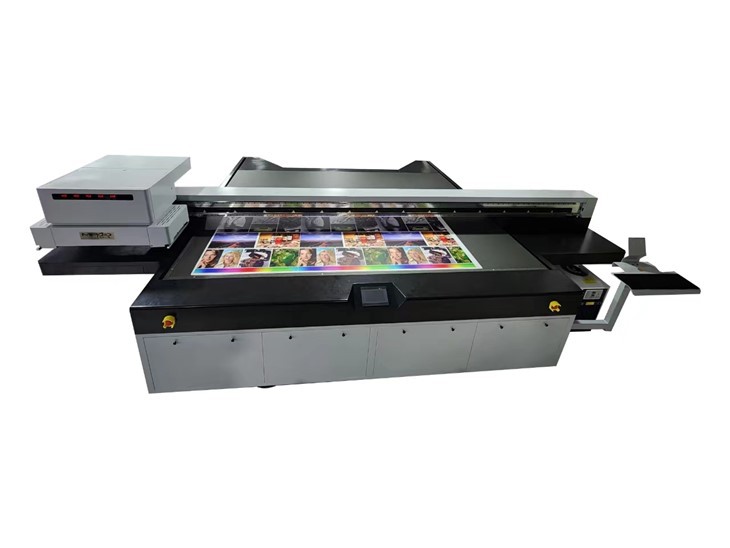
The design and operation of the Printer UV Flatbed can significantly affect the static electricity resistance of the prints. Our Digital UV Flatbed Printer is equipped with advanced anti - static devices. For instance, we have installed static eliminators near the printhead and the media feeding system. These devices work by emitting ions that neutralize the static charges on the surface of the printing material and the printer components.
In addition, the printer's software is designed to optimize the printing process to minimize static generation. The speed of the printhead movement, the pressure applied during media feeding, and the timing of the UV curing are all carefully calibrated to reduce the risk of static build - up.
Measuring Static Electricity Resistance
To ensure the quality of our prints, we use a variety of methods to measure the static electricity resistance of the prints. One common method is to use a static charge meter, which can measure the surface potential of the printed material. By taking multiple measurements at different points on the print, we can get a comprehensive understanding of the static charge distribution.
We also conduct practical tests to evaluate the impact of static electricity on the prints. For example, we expose the prints to a controlled environment with a known amount of dust and debris and observe the degree of dust attraction. This helps us to determine whether the prints meet our quality standards in terms of static electricity resistance.
Benefits of High Static Electricity Resistance Prints
Prints with high static electricity resistance offer several benefits to our customers. Firstly, they have a longer shelf - life as they are less likely to attract dust and dirt, which can cause discoloration and degradation over time. Secondly, high - quality prints are easier to handle and process. They do not stick together, which improves the efficiency of post - printing operations such as cutting, folding, and packaging.
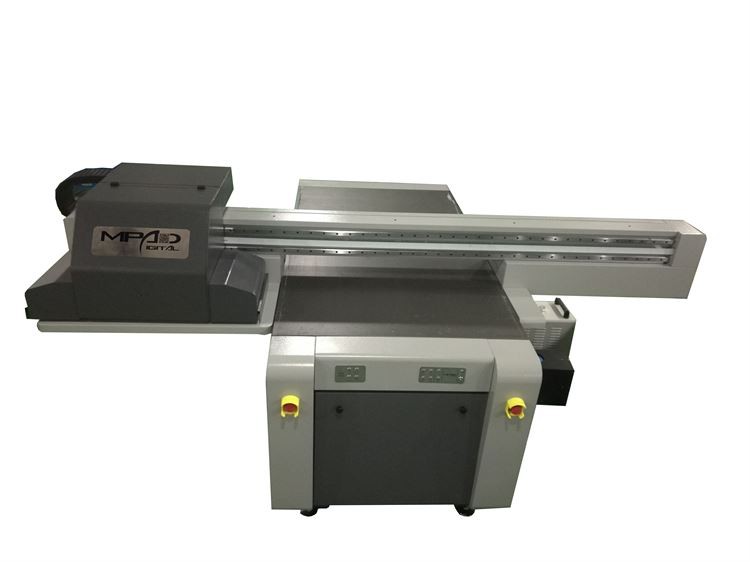
For businesses in industries such as advertising, signage, and packaging, high static electricity resistance prints can enhance the overall professionalism and appeal of their products. Our Wide Format Flatbed Printer is capable of producing large - scale prints with excellent static electricity resistance, making it an ideal choice for these applications.
Our Commitment to Quality
As a leading supplier of Printer UV Flatbed, we are committed to providing our customers with the highest quality products and services. We continuously invest in research and development to improve the static electricity resistance of our prints. Our team of engineers and technicians is constantly exploring new materials, inks, and printer designs to reduce the impact of static electricity on the printing process.
We also offer comprehensive after - sales support to our customers. Our technical support team is available to answer any questions regarding static electricity resistance and to provide solutions to any problems that may arise. Whether you are a small business looking for a Small Format Flatbed Printer or a large corporation in need of a Wide Format Flatbed Printer, we have the expertise and resources to meet your needs.
Contact Us for Procurement
If you are interested in our Printer UV Flatbed products and want to learn more about the static electricity resistance of our prints, we encourage you to contact us. Our sales team is ready to assist you in selecting the right printer for your specific requirements and to provide you with detailed information about our products. We look forward to the opportunity to work with you and to help you achieve the best printing results.
References
- ASTM D257 - 14, Standard Test Methods for DC Resistance or Conductance of Insulating Materials.
- ISO 10960:2011, Paper and board - Determination of static electricity by measurement of surface potential.
- Technical literature on UV flatbed printing technology from leading industry manufacturers.