

In the realm of modern printing technology, flatbed printers have emerged as a revolutionary force, offering unparalleled versatility and precision. As a leading supplier of flatbed printers, I am excited to delve into the various print modes of these remarkable machines and explore how they can transform your printing projects.
Understanding Flatbed Printers
Before we dive into the print modes, let's first understand what a flatbed printer is. A flatbed printer is a type of digital printer that can print directly onto a wide range of flat materials, including wood, glass, metal, plastic, and more. Unlike traditional printers that use paper as the printing medium, flatbed printers can print on rigid or flexible substrates, making them ideal for a variety of applications, such as signage, packaging, decorative items, and industrial parts.
Print Modes of a Flatbed Printer
Flatbed printers offer several print modes, each designed to meet specific printing requirements and achieve different results. Here are some of the most common print modes available in modern flatbed printers:
Single-Pass Printing
Single-pass printing is the fastest print mode available in flatbed printers. In this mode, the printer head moves across the substrate in a single pass, depositing ink onto the surface to create the desired image. Single-pass printing is ideal for high-volume production runs, where speed is of the essence. However, it may not be suitable for intricate designs or high-resolution prints, as the printer head has limited time to deposit the ink accurately.
Multi-Pass Printing
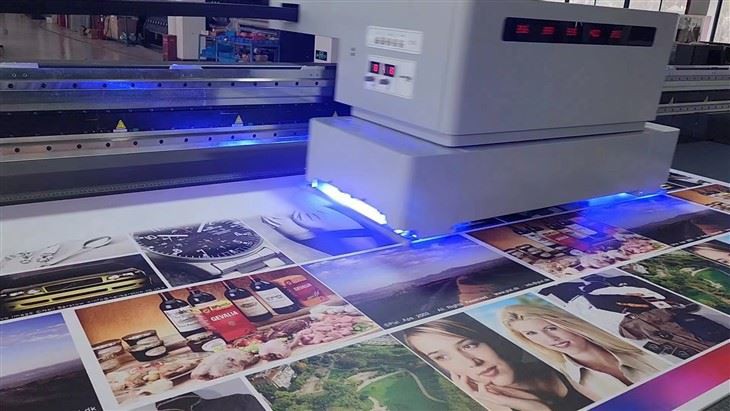
Multi-pass printing is a more versatile print mode that allows the printer head to make multiple passes over the substrate to build up the ink layers and create a more detailed and accurate image. In multi-pass printing, the printer head moves back and forth across the substrate, depositing a small amount of ink with each pass. This process allows for greater control over the ink deposition and results in higher-quality prints with better color accuracy and detail. Multi-pass printing is suitable for a wide range of applications, including fine art printing, photography, and high-resolution signage.
Grayscale Printing
Grayscale printing is a print mode that uses only black ink to create a monochromatic image. In grayscale printing, the printer head deposits different amounts of black ink onto the substrate to create varying shades of gray, from pure white to pure black. Grayscale printing is commonly used for applications such as black and white photography, fine art prints, and architectural renderings. It can also be used in combination with color printing to create unique effects, such as adding a black and white border to a color image.
Color Printing
Color printing is the most common print mode used in flatbed printers. In color printing, the printer head uses a combination of cyan, magenta, yellow, and black (CMYK) inks, along with additional colors such as light cyan, light magenta, and white, to create a full-color image. Color printing allows for a wide range of colors and shades to be reproduced accurately, making it suitable for a variety of applications, including advertising, marketing, and product packaging.
White Ink Printing
White ink printing is a specialized print mode that allows the printer to deposit white ink onto the substrate before or after the color printing process. White ink printing is particularly useful when printing on transparent or dark-colored substrates, as it provides a base layer of white ink that enhances the visibility and vibrancy of the color ink. White ink printing can also be used to create special effects, such as embossing or highlighting, by printing a thick layer of white ink on the surface of the substrate.
Variable Data Printing
Variable data printing is a print mode that allows the printer to print different data, such as text, images, or barcodes, on each printed item. Variable data printing is commonly used in applications such as direct mail marketing, personalized packaging, and product serialization. With variable data printing, you can customize each printed item with unique information, making it more relevant and engaging to the recipient.
Choosing the Right Print Mode
Choosing the right print mode for your flatbed printer depends on several factors, including the type of substrate, the desired print quality, the production volume, and the specific application. Here are some tips to help you choose the right print mode for your needs:
- Consider the substrate: Different substrates require different print modes to achieve the best results. For example, single-pass printing may be suitable for printing on smooth, flat substrates, while multi-pass printing may be necessary for printing on rough or textured surfaces.
- Evaluate the print quality: If you require high-quality prints with fine details and accurate colors, multi-pass printing or color printing may be the best option. If you are looking for a faster printing speed and lower cost, single-pass printing or grayscale printing may be more suitable.
- Determine the production volume: If you need to print a large number of items quickly, single-pass printing or variable data printing may be the most efficient option. If you are printing a small number of items or require high-quality prints, multi-pass printing or color printing may be more appropriate.
- Understand the application: Different applications require different print modes to achieve the desired results. For example, white ink printing may be necessary for printing on transparent or dark-colored substrates, while variable data printing may be required for personalized packaging or direct mail marketing.
Applications of Flatbed Printers
Flatbed printers are used in a wide range of industries and applications, thanks to their versatility and ability to print on a variety of substrates. Here are some of the most common applications of flatbed printers:
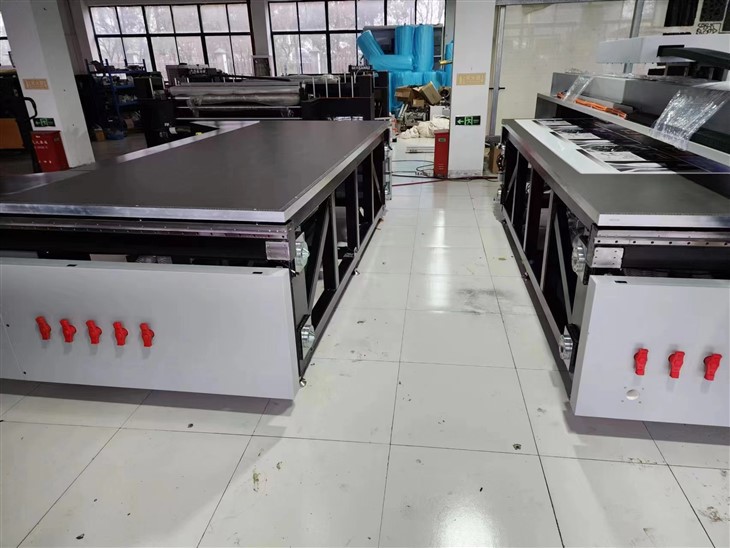
- Signage and Advertising: Flatbed printers are commonly used to print high-quality signage, banners, posters, and promotional materials. With their ability to print on a variety of substrates, including vinyl, acrylic, and metal, flatbed printers can create eye-catching and durable signage that stands out from the competition.
- Packaging and Labeling: Flatbed printers are also used in the packaging and labeling industry to print custom labels, boxes, and packaging materials. With their ability to print high-resolution images and text, flatbed printers can create attractive and informative packaging that helps to promote your products and increase brand awareness.
- Decorative and Fine Art Printing: Flatbed printers are popular among artists and designers for printing high-quality fine art prints, paintings, and photographs. With their ability to print on a variety of substrates, including canvas, wood, and glass, flatbed printers can create unique and stunning decorative pieces that add a touch of elegance to any space.
- Industrial and Manufacturing: Flatbed printers are used in the industrial and manufacturing industry to print on a variety of materials, including plastics, metals, and ceramics. With their ability to print high-resolution images and text, flatbed printers can create custom labels, markings, and identification tags that are used in a variety of applications, such as product serialization, inventory management, and quality control.
Conclusion
In conclusion, flatbed printers offer a wide range of print modes that can be customized to meet the specific needs of your printing projects. Whether you are looking for high-speed production, high-quality prints, or unique special effects, there is a print mode that is right for you. As a leading supplier of flatbed printers, we offer a range of UV Flatbed Printer For Wood, Flatbed Digital Printer, and Digital Flatbed Printer models that are designed to deliver exceptional performance and reliability.
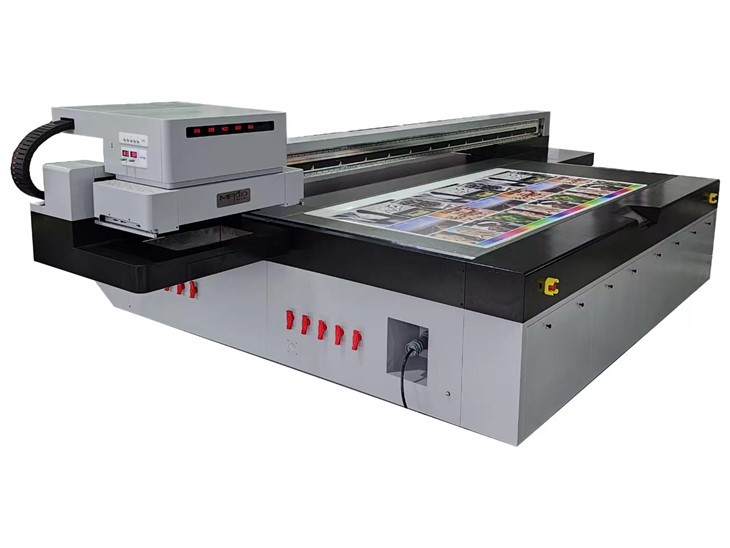
If you are interested in learning more about our flatbed printers or would like to discuss your specific printing requirements, please contact us today. Our team of experts will be happy to assist you in choosing the right printer and print mode for your needs and provide you with a free quote.
References
- Smith, J. (2023). The Ultimate Guide to Flatbed Printing. Printing World Magazine.
- Johnson, A. (2022). Understanding Print Modes in Flatbed Printers. Industrial Printing Journal.
- Williams, B. (2021). Applications of Flatbed Printers in the Modern World. Design and Print Review.