

As a leading supplier of top UV printers, I've witnessed firsthand the pivotal role that UV printer inks play in the printing process. The quality of these inks directly impacts the vibrancy, durability, and overall success of the prints. One often overlooked aspect of these high - performance inks is their storage requirements. Understanding these requirements is crucial for maintaining the integrity of the inks and ensuring optimal printer performance.
Temperature Control
Temperature is one of the most critical factors when it comes to storing UV printer inks. Extreme temperatures can have a detrimental effect on the chemical composition of the inks. High temperatures can cause the inks to thicken, which may lead to clogging in the printer nozzles. This not only disrupts the printing process but also reduces the lifespan of the print heads. On the other hand, low temperatures can cause the inks to become too viscous, affecting the flow rate and potentially resulting in uneven prints.
For most top - quality UV printer inks, the ideal storage temperature ranges between 18°C and 25°C (64°F and 77°F). This relatively narrow temperature band helps to preserve the chemical stability of the inks. It's important to note that sudden temperature changes should also be avoided. For instance, if an ink container is taken from a cold storage area and immediately placed in a warm environment, condensation can form inside the container, which may contaminate the ink.
To maintain the proper temperature, it's advisable to store the inks in a climate - controlled room. If this isn't feasible, insulated storage cabinets with temperature - regulating devices can be used. Regularly monitoring the temperature with a reliable thermometer is also essential to ensure that the storage conditions remain within the recommended range.
Humidity Management
Humidity levels can also significantly impact the quality of UV printer inks. High humidity can introduce moisture into the ink, which can cause the ink to coagulate or separate. This can lead to print defects such as streaks and blurs. Additionally, moisture can react with some of the chemical components in the ink, altering its properties and reducing its adhesion to the printing substrate.
Conversely, low humidity can cause the ink to dry out prematurely, especially if the containers are not properly sealed. This can result in the formation of crusts or clumps inside the container, which can clog the printer's ink delivery system.
The optimal humidity level for storing UV printer inks is typically between 40% and 60%. To achieve and maintain this level, dehumidifiers or humidifiers can be used in the storage area. It's also important to ensure that the storage containers are tightly sealed to prevent moisture from entering or the ink from drying out.
Light Exposure
UV printer inks are designed to react to ultraviolet light during the curing process. However, exposure to direct sunlight or other sources of UV light during storage can prematurely initiate the curing reaction. This can cause the inks to harden inside the container, rendering them useless.
To prevent this, the inks should be stored in opaque containers and kept in a dark place. If the storage area has windows, it's advisable to use curtains or blinds to block out sunlight. In addition, fluorescent lights, which can emit a small amount of UV radiation, should be avoided in the immediate vicinity of the ink storage area.
Container Integrity
The containers in which the UV printer inks are stored play a crucial role in maintaining their quality. The containers should be made of a material that is resistant to the chemicals in the ink. Common materials include high - density polyethylene (HDPE) and polypropylene, which are known for their chemical resistance and durability.
It's important to check the containers regularly for any signs of damage, such as cracks or leaks. Even a small crack can allow air, moisture, or contaminants to enter the container, which can compromise the quality of the ink. If a damaged container is detected, the ink should be transferred to a new, undamaged container as soon as possible.
Compatibility and Segregation
When storing UV printer inks, it's essential to consider the compatibility of different ink types. Different inks may have different chemical compositions, and mixing incompatible inks can lead to chemical reactions that can damage the printer and produce poor - quality prints.
It's recommended to store inks of the same type and brand together. In addition, inks with different colors should also be stored separately to prevent cross - contamination. This can be achieved by using labeled storage shelves or compartments.
Safety Precautions
UV printer inks often contain chemicals that can be hazardous if mishandled. When storing these inks, it's important to follow all safety regulations. The storage area should be well - ventilated to prevent the accumulation of fumes. In addition, proper personal protective equipment (PPE), such as gloves and goggles, should be worn when handling the inks.
It's also crucial to have a spill - containment plan in place. In case of a spill, absorbent materials such as sand or spill pads should be readily available to clean up the ink. The spilled ink should be disposed of in accordance with local environmental regulations.
Impact on Printer Performance
Proper storage of UV printer inks is directly linked to the performance of the printers. When the inks are stored under optimal conditions, they flow smoothly through the printer's ink delivery system, ensuring consistent and high - quality prints. This reduces the frequency of printer maintenance and downtime, which can save both time and money for businesses.
On the other hand, if the inks are not stored correctly, it can lead to a variety of printer problems. Clogged nozzles, for example, can cause the printer to produce uneven or incomplete prints. This may require frequent nozzle cleaning or even replacement of the print heads, which can be costly.
Long - Term Storage Considerations
If you plan to store the UV printer inks for an extended period, additional precautions should be taken. Before storing the inks for a long time, it's a good idea to rotate the containers gently to ensure that the ink remains well - mixed. This helps to prevent sedimentation, which can occur over time.
It's also important to check the expiration dates of the inks. Most UV printer inks have a shelf life of 12 to 24 months, depending on the brand and formulation. Using expired inks can lead to poor print quality and may even damage the printer.
Our Product Range
As a top UV printers supplier, we offer a wide range of high - quality UV printer inks that are designed to meet the diverse needs of our customers. Our inks are formulated to provide excellent color vibrancy, durability, and adhesion on various substrates.
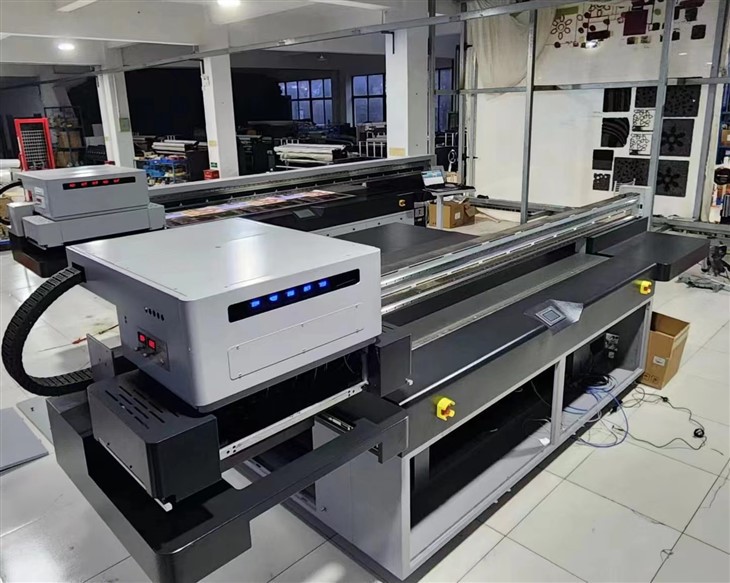

We also provide Flatbed Digital Printer, Digital UV Flatbed Printer, and Commercial UV Printer models that are optimized to work seamlessly with our inks. These printers are known for their high - speed printing, precision, and reliability.
Conclusion
In conclusion, proper storage of UV printer inks is essential for maintaining their quality and ensuring optimal printer performance. By controlling the temperature, humidity, light exposure, and container integrity, you can extend the shelf life of the inks and produce high - quality prints consistently.
If you're interested in learning more about our UV printers and inks or if you have any questions regarding ink storage requirements, we encourage you to contact us for a detailed discussion. Our team of experts is always ready to assist you in finding the best solutions for your printing needs.
References
- "UV Ink Technology and Applications" - A comprehensive guide on UV inks, their properties, and storage requirements.
- Manufacturer's guidelines for various UV printer ink brands, which provide specific storage recommendations.
- Industry research papers on the impact of environmental factors on the quality of printing inks.