

As a supplier of flatbed printers, one question I'm frequently asked is, "Can a flatbed printer print on wool?" This is a valid query, especially considering the diverse range of materials that businesses and hobbyists alike want to print on. In this blog post, I'll delve into the technical aspects of flatbed printing, explore the compatibility of wool with flatbed printers, and discuss the potential applications and challenges.
Understanding Flatbed Printers
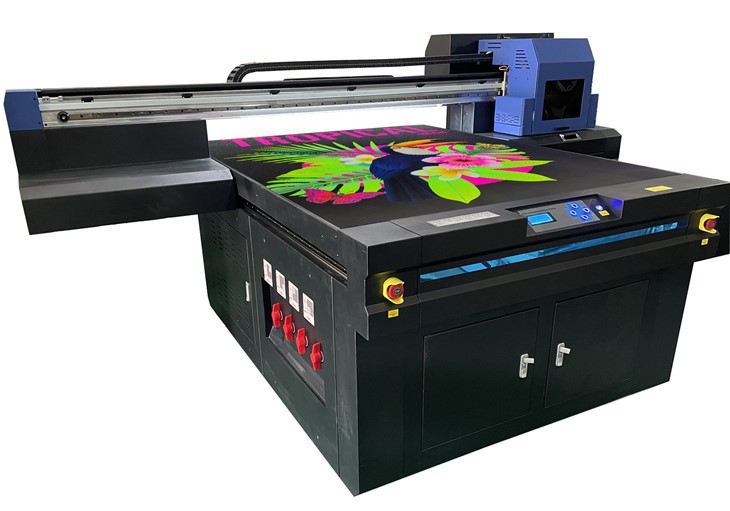
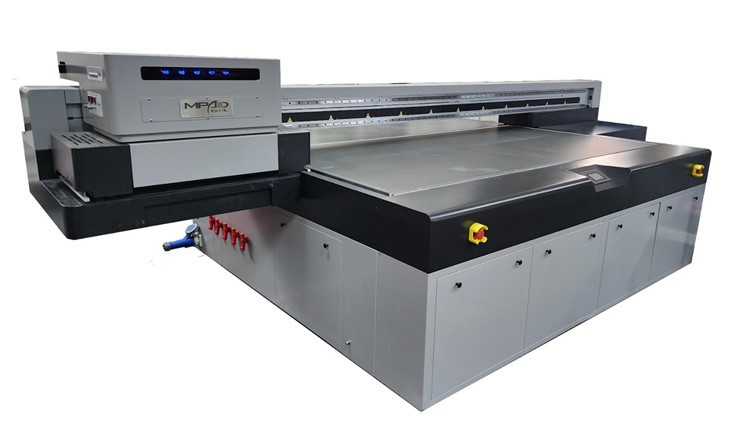
Flatbed printers, such as our Digital UV Flatbed Printing Machine, offer a versatile solution for printing on a wide variety of flat or semi - flat surfaces. Unlike traditional printers that are mainly designed for paper, flatbed printers can handle materials like wood, glass, metal, and plastics. These printers use advanced printing technologies, often based on UV - curing inks, which provide vibrant colors, high resolution, and excellent durability.
The UV Digital Printer is a prime example of a modern flatbed printer. It works by spraying UV - curable inks onto the surface of the material. Immediately after the ink is deposited, UV lights cure the ink, binding it to the material. This process allows for fast printing speeds and sharp, long - lasting prints.
Can a Flatbed Printer Print on Wool?
The short answer is yes, a flatbed printer can print on wool, but there are several factors to consider.
Compatibility of Inks
The type of ink used in a flatbed printer is crucial when it comes to printing on wool. UV - curable inks, which are commonly used in flatbed printers, are generally suitable for wool. However, the ink needs to be flexible enough to accommodate the natural texture and movement of the wool fibers. If the ink is too rigid, it may crack or peel off as the wool is bent or stretched.
Some specialized inks are formulated specifically for textile printing, including wool. These inks are designed to bond well with the wool fibers, providing a soft - hand feel and good colorfastness. When choosing a flatbed printer for wool printing, it's important to ensure that the printer is compatible with these textile - friendly inks.
Surface Preparation
Wool has a unique surface texture with a lot of fibers. To achieve a high - quality print, proper surface preparation is essential. This may involve pre - treating the wool to make it more receptive to the ink. For example, a light coating of a primer can help the ink adhere better to the wool fibers.
Another important aspect is the smoothness of the wool surface. If the wool is too fluffy or uneven, it can cause issues with the print quality. In some cases, lightly pressing or flattening the wool before printing can improve the results.
Printer Settings
Adjusting the printer settings correctly is vital for successful wool printing. The print resolution, for instance, needs to be set appropriately. A higher resolution will result in a more detailed print, but it may also increase the printing time. The printer's dot matrix and ink density settings also need to be optimized to ensure that the ink is evenly distributed on the wool surface.
Potential Applications of Printing on Wool with Flatbed Printers
Printing on wool using a flatbed printer opens up a wide range of creative and commercial opportunities.
Fashion and Apparel
In the fashion industry, flatbed printers can be used to print unique designs on wool garments. Designers can create one - of - a - kind sweaters, scarves, and jackets with intricate patterns or personalized messages. This allows for greater customization and the ability to offer limited - edition products to consumers.
Home Decor
Wool is a popular material for home decor items such as rugs, cushions, and wall hangings. With a flatbed printer, it's possible to print custom designs, patterns, or even photographs on these items. This can add a personal touch to interior spaces and create a unique look.
Arts and Crafts
Artists and crafters can use flatbed printers to print on wool for various art projects. They can create mixed - media artworks, hand - made cards, or even wool - based sculptures with printed elements.
Challenges of Printing on Wool with Flatbed Printers
While it is possible to print on wool using a flatbed printer, there are some challenges that need to be addressed.
Color Accuracy
Wool has a natural color and texture that can affect the final appearance of the printed colors. Achieving accurate color reproduction can be difficult, especially when printing bright or vivid colors. It may require some experimentation with different ink combinations and color management techniques.
Durability
Although UV - curable inks are generally durable, the constant movement and friction that wool products are subjected to can cause the print to wear over time. Ensuring that the ink has good abrasion resistance is crucial for long - lasting prints on wool.
Cost
Printing on wool can be more expensive compared to printing on other materials. The cost of specialized textile inks, surface pre - treatment, and potentially longer printing times can add up. However, for high - end or custom products, the added cost may be justified by the unique value that the printed wool offers.
Our Small Format UV Printer for Wool Printing
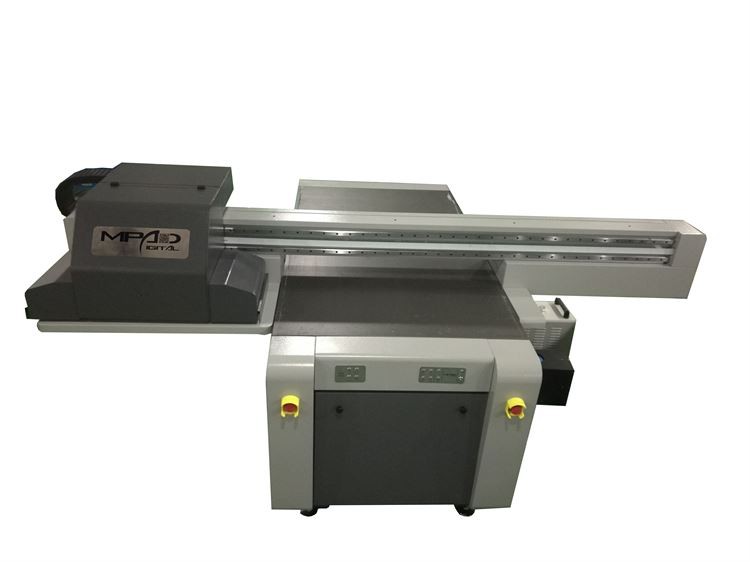
For those who are new to wool printing or have smaller - scale projects, our Small Format UV Printer is an excellent option. It offers the same high - quality printing capabilities as our larger models but in a more compact and cost - effective package.
This printer is easy to operate and can be used to print on a variety of wool items, from small samples to medium - sized pieces. It comes with user - friendly software that allows for easy design customization and print setup.
Conclusion
In conclusion, a flatbed printer can indeed print on wool, offering a world of creative possibilities for various industries. However, it requires careful consideration of ink compatibility, surface preparation, and printer settings. With the right approach, high - quality and durable prints can be achieved on wool.
If you're interested in exploring the potential of printing on wool with our flatbed printers, we'd love to hear from you. Whether you're a fashion designer, a home decor manufacturer, or an artist, our team of experts can provide you with the guidance and support you need. Contact us to start a discussion about your printing requirements and how our flatbed printers can meet your needs.
References
- "Textile Printing Technology" by John Wiley & Sons.
- Technical documentation provided by ink manufacturers for UV - curable textile inks.
- Industry reports on the use of flatbed printers in the textile and fashion industries.