

Silicone is a versatile material known for its flexibility, durability, and heat resistance, making it a popular choice in various industries, from medical and automotive to consumer goods and electronics. As a Hybrid UV Printer supplier, I often get asked whether our printers can print on silicone. In this blog post, I'll delve into the science behind printing on silicone with a Hybrid UV Printer, the challenges involved, and the solutions we offer.
Understanding Hybrid UV Printing
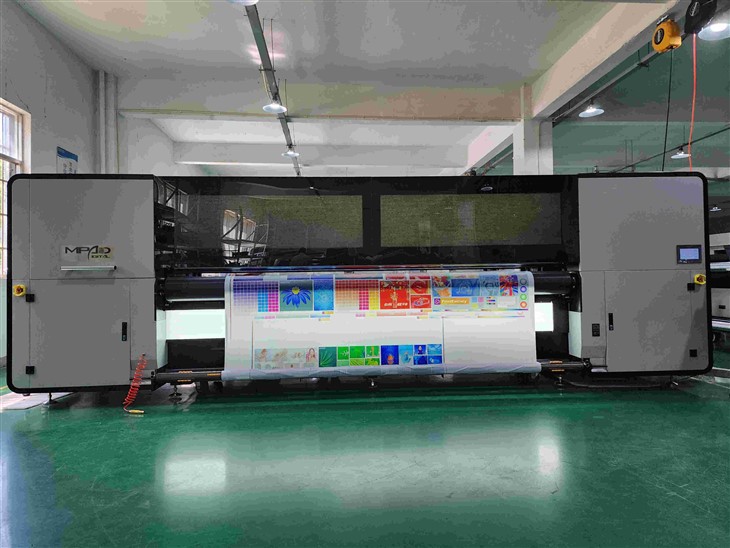
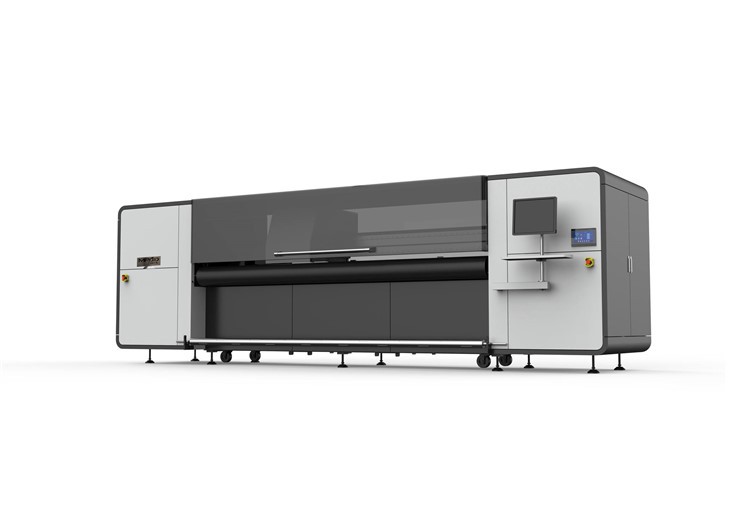
Before we discuss printing on silicone, let's first understand what Hybrid UV Printing is. Hybrid UV Printing combines the benefits of UV inkjet technology with the ability to print on both flat and curved surfaces. This makes it a highly versatile printing method suitable for a wide range of materials, including plastics, metals, glass, and wood.
The key to Hybrid UV Printing lies in the use of UV-curable inks. These inks are formulated to dry and harden instantly when exposed to UV light, which allows for high-speed printing and excellent adhesion to various substrates. The Hybrid UV Printing Machine is equipped with UV lamps that follow the print heads, curing the ink as soon as it is deposited on the surface.
Challenges of Printing on Silicone
Printing on silicone presents several challenges due to its unique properties. Silicone is a non-porous material with a low surface energy, which means that it is difficult for inks to adhere to its surface. Additionally, silicone is flexible and can stretch, which can cause the printed image to crack or peel if the ink does not have sufficient flexibility.
Another challenge is the release agents and additives that are often used in the manufacturing of silicone products. These substances can create a barrier on the surface of the silicone, preventing the ink from bonding properly. To overcome these challenges, special techniques and materials are required.
Solutions for Printing on Silicone with a Hybrid UV Printer
Despite the challenges, it is possible to print on silicone with a UV Hybrid Printer Flatbed. Here are some solutions that we offer:
1. Surface Treatment
One of the most effective ways to improve ink adhesion on silicone is to treat the surface before printing. This can be done using a variety of methods, such as plasma treatment, corona treatment, or chemical priming. Plasma treatment involves exposing the silicone surface to a high-energy plasma, which modifies the surface chemistry and increases its surface energy. Corona treatment uses a high-voltage electrical discharge to create a similar effect. Chemical priming involves applying a special primer to the silicone surface, which helps the ink to bond more effectively.
2. Specialized UV Inks
We offer a range of specialized UV inks that are formulated specifically for printing on silicone. These inks have excellent adhesion properties and are designed to withstand the flexibility and stretching of the silicone material. They also have good resistance to abrasion, chemicals, and UV light, ensuring that the printed image remains vibrant and durable over time.
3. Printer Settings
Proper printer settings are crucial for achieving high-quality prints on silicone. The print resolution, ink density, and curing time need to be adjusted according to the specific requirements of the silicone material and the desired print quality. Our Hybrid UV Printers are equipped with advanced control systems that allow for precise adjustment of these settings, ensuring optimal results.
Applications of Printing on Silicone
Printing on silicone opens up a wide range of applications in various industries. Here are some examples:
1. Medical Devices
Silicone is commonly used in the manufacturing of medical devices, such as catheters, tubing, and prosthetics. Printing on silicone can be used to add labels, markings, or instructions directly onto the device, improving its functionality and usability.
2. Automotive Parts
Silicone is used in many automotive applications, including gaskets, seals, and hoses. Printing on silicone can be used to add branding, part numbers, or warning labels to these parts, enhancing their identification and safety.
3. Consumer Goods
Silicone is a popular material for consumer goods, such as phone cases, kitchen utensils, and toys. Printing on silicone can be used to add custom designs, logos, or patterns to these products, making them more attractive and unique.
Case Studies
To illustrate the effectiveness of our Hybrid UV Printers for printing on silicone, here are some case studies:
Case Study 1: Medical Device Manufacturer
A medical device manufacturer was looking for a way to print clear and durable markings on their silicone catheters. They tried several printing methods, but none of them provided the desired results. After consulting with us, we recommended using our Hybrid UV Printer with a plasma-treated silicone surface and our specialized UV inks. The result was high-quality, long-lasting prints that met the manufacturer's strict requirements.
Case Study 2: Automotive Parts Supplier
An automotive parts supplier wanted to add branding and part numbers to their silicone gaskets. They were concerned about the durability of the prints, as the gaskets were exposed to high temperatures and chemicals. We suggested using our Hybrid UV Printer with a chemical-primed silicone surface and our UV inks with excellent chemical resistance. The prints were able to withstand the harsh conditions and remained clear and legible for the life of the gaskets.
Conclusion
In conclusion, a Hybrid UV Printer can print on silicone, but it requires special techniques and materials to achieve high-quality results. As a Hybrid UV Printer supplier, we have the expertise and experience to help you overcome the challenges of printing on silicone and find the best solution for your specific needs. Whether you are in the medical, automotive, or consumer goods industry, our Hybrid UV Printers can provide you with the flexibility, durability, and quality that you need for your printing applications.
If you are interested in learning more about our Hybrid UV Printers and how they can be used to print on silicone, please contact us. Our team of experts will be happy to discuss your requirements and provide you with a customized solution.
References
- "UV Inkjet Printing on Silicone: Challenges and Solutions" - Journal of Printing Science and Technology
- "Surface Treatment of Silicone for Improved Ink Adhesion" - International Journal of Adhesion and Adhesives
- "Specialized UV Inks for Printing on Silicone" - UV & EB Technology Magazine