

As a supplier of UV flatbed printers, I often encounter various inquiries from customers regarding the capabilities of our printers. One question that has come up quite frequently is, "Can a UV flatbed printer print on gold-plated materials?" In this blog post, I will delve into this topic, exploring the technical aspects, potential challenges, and best practices for printing on gold-plated surfaces using our UV flatbed printers.
Understanding UV Flatbed Printers
Before we discuss the feasibility of printing on gold-plated materials, it's essential to understand how UV flatbed printers work. UV flatbed printers are a type of digital printing technology that uses ultraviolet (UV) light to cure or dry the ink instantly as it is printed onto the substrate. This process allows for high-resolution printing on a wide range of materials, including wood, glass, metal, plastic, and more.
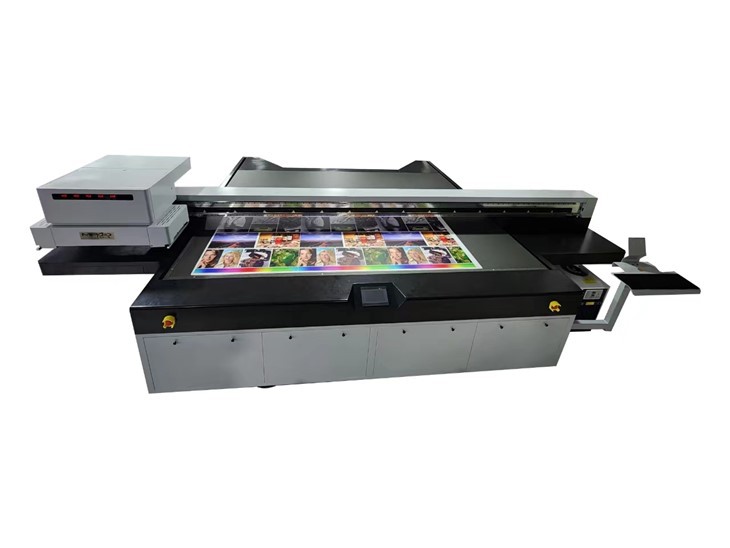
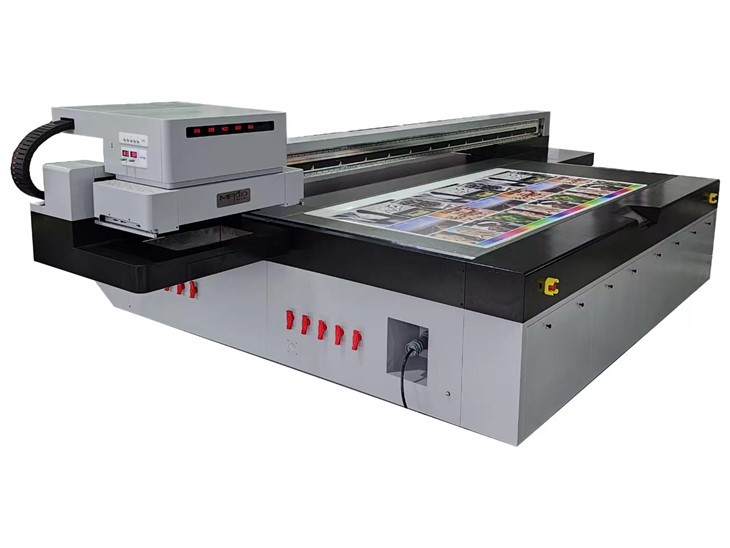
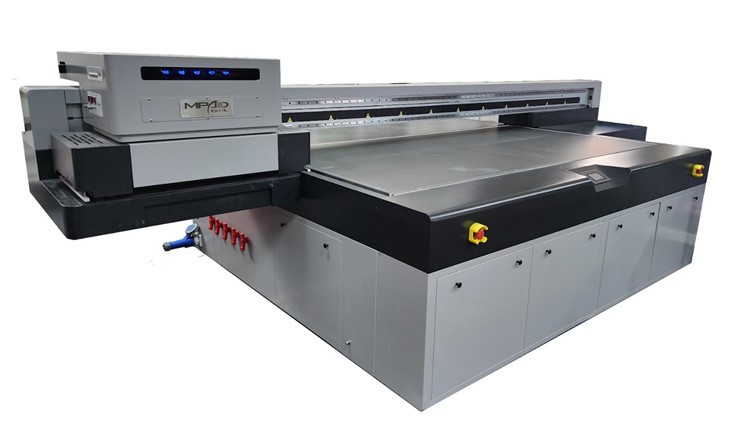
Our company offers a variety of UV flatbed printers, such as the Flatbed Digital Printer, Flatbed UV Led, and Flatbed Printer. These printers are equipped with advanced features and technologies that enable precise and efficient printing on different surfaces.
Printing on Gold-Plated Materials: Feasibility
The short answer is yes, a UV flatbed printer can print on gold-plated materials. Gold-plated items typically consist of a base metal coated with a thin layer of gold. The key to successful printing lies in understanding the properties of the gold-plated surface and selecting the appropriate printing settings and inks.
Surface Compatibility
Gold-plated surfaces are generally smooth and non-porous, which can pose some challenges for ink adhesion. However, UV inks are designed to adhere well to a variety of non-porous materials. The UV curing process helps the ink bond tightly to the surface, ensuring a durable and long-lasting print.
Ink Selection
Choosing the right ink is crucial for printing on gold-plated materials. UV inks are available in different formulations, each designed for specific applications and substrates. For gold-plated surfaces, it's recommended to use inks that are specifically formulated for metal printing. These inks typically have excellent adhesion, scratch resistance, and color fastness.
Printer Settings
Proper printer settings are also essential for achieving optimal results. The printer's resolution, print speed, and ink density should be adjusted according to the characteristics of the gold-plated material and the desired print quality. It may be necessary to conduct some test prints to fine-tune the settings and ensure the best possible outcome.
Challenges and Solutions
While it is possible to print on gold-plated materials using a UV flatbed printer, there are some challenges that you may encounter. Here are some common issues and their solutions:
Ink Adhesion
As mentioned earlier, the smooth and non-porous nature of gold-plated surfaces can make it difficult for the ink to adhere properly. To improve adhesion, you can try the following: - Surface Preparation: Clean the gold-plated surface thoroughly to remove any dirt, oil, or contaminants. You can use a mild detergent and a soft cloth to clean the surface, followed by a rinse with water and a dry with a clean, lint-free cloth. - Primer Application: Applying a primer to the gold-plated surface can help improve ink adhesion. There are primers available specifically for metal surfaces that can be applied before printing. Follow the manufacturer's instructions for proper application. - Curing Time: Ensure that the UV ink is fully cured. The curing time may need to be adjusted depending on the type of ink and the printer settings. A longer curing time can sometimes improve adhesion.
Color Accuracy
Achieving accurate colors on gold-plated materials can be challenging due to the reflective nature of the surface. The gold plating can affect the way the ink appears, making it look different from the intended color. To address this issue: - Color Calibration: Use a color calibration tool to ensure that the printer is producing accurate colors. This involves adjusting the printer settings to match a known color standard. - Test Prints: Conduct test prints on a sample of the gold-plated material to evaluate the color accuracy. Make any necessary adjustments to the printer settings or ink formulation based on the test results.
Scratch Resistance
Gold-plated surfaces are relatively soft and can be easily scratched. To ensure that the printed image is scratch-resistant: - Use High-Quality Inks: Choose inks that are specifically formulated for metal printing and have good scratch resistance. - Apply a Protective Coating: After printing, you can apply a clear protective coating to the surface to enhance scratch resistance. There are various types of protective coatings available, such as UV-curable clear coats or lacquers.
Best Practices for Printing on Gold-Plated Materials
To achieve the best results when printing on gold-plated materials, follow these best practices:
- Test Prints: Always conduct test prints on a sample of the gold-plated material before starting a large-scale printing project. This will allow you to evaluate the print quality, adjust the printer settings, and ensure that the ink adheres properly.
- Clean the Surface: Thoroughly clean the gold-plated surface before printing to remove any dirt, oil, or contaminants. This will help improve ink adhesion and ensure a high-quality print.
- Use the Right Ink: Select UV inks that are specifically formulated for metal printing. These inks are designed to adhere well to non-porous surfaces and provide excellent color fastness and scratch resistance.
- Adjust Printer Settings: Fine-tune the printer settings, such as resolution, print speed, and ink density, according to the characteristics of the gold-plated material and the desired print quality.
- Cure the Ink Properly: Ensure that the UV ink is fully cured to achieve optimal adhesion and durability. Follow the manufacturer's instructions for the recommended curing time and intensity.
- Handle with Care: Gold-plated materials are delicate and can be easily damaged. Handle the printed items with care to avoid scratching or smudging the print.
Conclusion
In conclusion, a UV flatbed printer can print on gold-plated materials, but it requires careful consideration of the surface properties, ink selection, and printer settings. By following the best practices outlined in this blog post, you can achieve high-quality, durable prints on gold-plated surfaces.
If you are interested in purchasing a UV flatbed printer for printing on gold-plated materials or other applications, please feel free to contact us for more information. Our team of experts is available to assist you in selecting the right printer and providing technical support.
References
- Manufacturer's guidelines for UV flatbed printers and UV inks.
- Industry research on digital printing on metal surfaces.