

As a supplier of UV label printers, I often encounter questions from potential customers about the capabilities of our machines. One of the most common queries is whether a UV label printer can print on plastic labels. In this blog post, I'll delve into this topic, exploring the technical aspects, advantages, and limitations of using UV label printers for plastic label printing.
How UV Label Printers Work
Before we discuss printing on plastic labels, it's essential to understand how UV label printers operate. UV label printers use ultraviolet (UV) - curable inks. These inks are different from traditional solvent - based or water - based inks. When the printer sprays the UV - curable ink onto the substrate, it remains in a liquid state until it is exposed to UV light. The UV light then triggers a chemical reaction that causes the ink to cure or harden almost instantly.
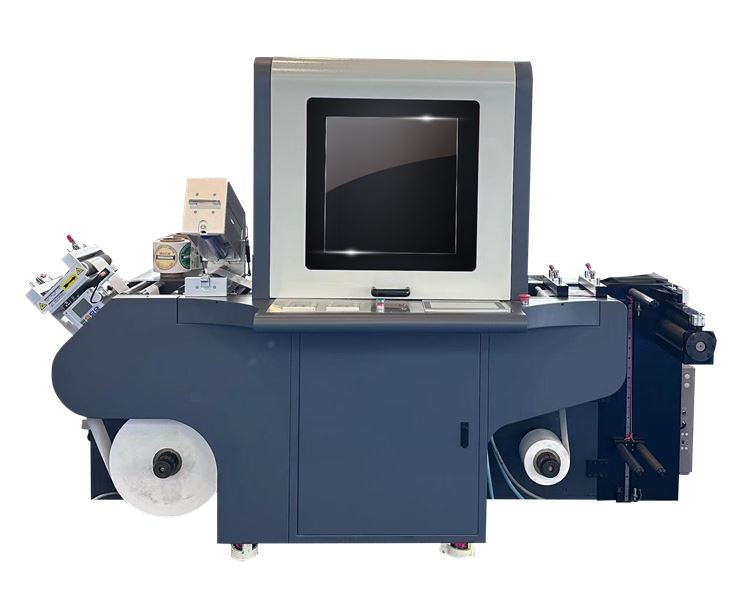
This rapid curing process offers several benefits. First, it allows for high - speed printing because the ink doesn't need time to dry naturally. Second, it produces sharp, durable prints as the cured ink adheres well to the substrate. Third, it is more environmentally friendly compared to some traditional inks, as it emits fewer volatile organic compounds (VOCs).
Printing on Plastic Labels
Plastic labels are widely used in various industries due to their durability, flexibility, and resistance to moisture, chemicals, and abrasion. The good news is that UV label printers can indeed print on plastic labels, but there are some factors to consider.
Compatibility of UV Inks with Plastic Materials
Not all plastic materials are equally suitable for UV ink printing. Some common plastics used for labels include polyethylene (PE), polypropylene (PP), polyvinyl chloride (PVC), and polyester (PET).
- Polyethylene (PE) and Polypropylene (PP): These plastics are known for their low surface energy, which means that UV inks may have difficulty adhering to them. To improve adhesion, these plastics often need to be surface - treated. One common treatment method is corona treatment, which uses a high - voltage electrical discharge to increase the surface energy of the plastic, making it more receptive to the ink.
- Polyvinyl Chloride (PVC): PVC generally has better ink adhesion compared to PE and PP. However, it can release harmful substances such as chlorine when burned or exposed to high temperatures. Special UV inks formulated for PVC should be used to ensure good print quality and environmental safety.
- Polyester (PET): PET is a popular choice for plastic labels because it has high strength, good chemical resistance, and relatively high surface energy. UV inks adhere well to PET without the need for extensive surface treatment, making it an ideal substrate for UV label printing.
Advantages of Using UV Label Printers for Plastic Labels
- High - Quality Prints: UV label printers can produce high - resolution prints with vibrant colors and sharp details on plastic labels. The rapid curing process ensures that the ink doesn't spread or bleed, resulting in professional - looking labels.
- Durability: The cured UV inks form a hard, protective layer on the plastic label. This makes the labels resistant to scratching, fading, and chemical damage, which is especially important for labels that will be exposed to harsh environments.
- Versatility: UV label printers can print on a variety of plastic label shapes and sizes, including round, square, and custom - cut labels. They can also print on both flat and slightly curved plastic surfaces, providing flexibility for different packaging and labeling needs.
Limitations and Challenges
- Cost: UV - curable inks are generally more expensive than traditional inks. Additionally, if surface treatment is required for certain plastics, it adds to the overall cost of the printing process.
- Equipment Maintenance: UV label printers require regular maintenance to ensure the proper functioning of the UV lamps and other components. Improper maintenance can lead to issues such as uneven curing of the ink or reduced print quality.
Applications of UV - Printed Plastic Labels
The ability to print on plastic labels using UV label printers opens up a wide range of applications in different industries:
- Food and Beverage Industry: Plastic labels printed with UV inks can be used for product packaging. They are resistant to moisture and can withstand refrigeration and storage conditions. The high - quality prints also help to enhance the brand image of the products.
- Cosmetics and Personal Care Industry: Plastic labels are commonly used for cosmetic and personal care products. UV - printed labels can provide a luxurious and professional look, and their durability ensures that the labels remain intact throughout the product's shelf life.
- Electronics Industry: In the electronics industry, plastic labels are used for product identification, warning signs, and branding. UV - printed labels can withstand the heat and static electricity generated by electronic devices, making them a reliable choice.
Our Product Range
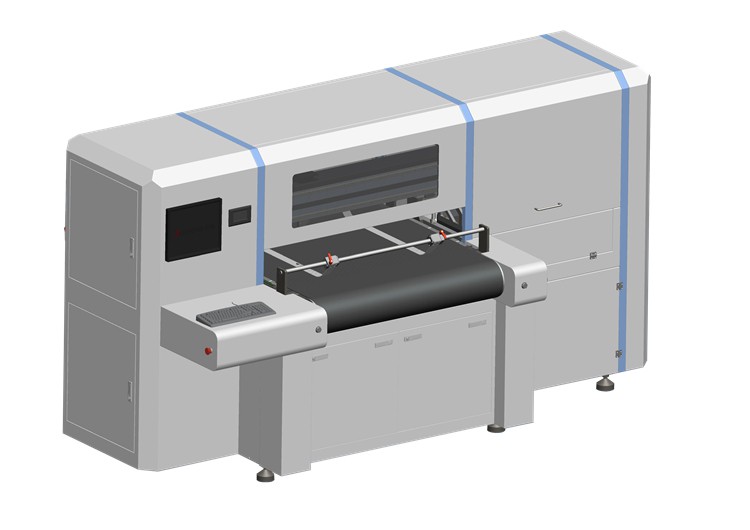
As a UV label printer supplier, we offer a comprehensive range of printers suitable for printing on plastic labels. Our printers are equipped with advanced technology to ensure high - quality and efficient printing. In addition to UV label printers, we also provide Carton Printing Machine, Corrugated Board Printing Machine, and Digital Label Printer to meet the diverse needs of our customers.
Contact Us for Purchase and Negotiation
If you are interested in our UV label printers or other printing machines, and you want to learn more about their performance, price, and technical specifications, we encourage you to contact us. Our professional sales team is ready to provide you with detailed information and assist you in making the right choice for your business. Whether you are a small - scale label producer or a large - scale packaging company, we have the solutions to meet your requirements.
References
- "UV - Curable Inks: Technology and Applications" by John Doe, published by Ink Publishing Company, 2020.
- "Plastic Materials for Labeling: Properties and Applications" by Jane Smith, Journal of Packaging Science, Vol. 15, Issue 2, 2021.