

As a provider of UV inkjet printers, one question I'm frequently asked is whether a UV inkjet printer can print on tempered glass. This is a valid inquiry, especially considering the widespread use of tempered glass in various industries, from architecture to consumer electronics. In this blog post, I'll delve into the details of using UV inkjet printers on tempered glass, exploring the possibilities, challenges, and best practices.
Understanding UV Inkjet Printing Technology
Before we discuss printing on tempered glass, it's essential to understand how UV inkjet printing works. UV inkjet printers use ultraviolet (UV) light to cure or dry the ink instantly as it is printed onto a substrate. This technology offers several advantages, including high-resolution printing, fast production speeds, and the ability to print on a wide range of materials.
The UV ink used in these printers contains photoinitiators that react to UV light, causing the ink to solidify quickly. This results in sharp, durable prints that adhere well to the substrate. UV inkjet printers come in different types, such as UV Inkjet Printer, UV Flatbed Roll To Roll Printer, and Digital UV Printer, each suitable for different printing applications.
Can a UV Inkjet Printer Print on Tempered Glass?
The short answer is yes, a UV inkjet printer can print on tempered glass. Tempered glass is a type of safety glass that has been treated with heat or chemicals to increase its strength and durability. It is commonly used in applications where safety is a concern, such as in windows, doors, and mobile device screens.
Printing on tempered glass with a UV inkjet printer offers several benefits. Firstly, it allows for high-quality, customized prints with precise details and vibrant colors. This makes it ideal for creating decorative glass panels, signage, and promotional items. Secondly, the UV curing process ensures that the ink adheres firmly to the glass surface, resulting in long-lasting prints that are resistant to scratching, fading, and moisture.
Challenges of Printing on Tempered Glass
While it is possible to print on tempered glass using a UV inkjet printer, there are some challenges that need to be addressed. One of the main challenges is the smooth and non-porous surface of tempered glass, which can make it difficult for the ink to adhere properly. To overcome this, a pretreatment process is often required to improve the adhesion of the ink. This can involve using a primer or etching the glass surface slightly to create a more porous surface for the ink to bond to.
Another challenge is the potential for the glass to break or crack during the printing process. Tempered glass is more brittle than regular glass, and any sudden changes in temperature or pressure can cause it to shatter. To minimize the risk of breakage, it is important to ensure that the printer is properly calibrated and that the printing process is carried out at a consistent temperature and pressure.
Best Practices for Printing on Tempered Glass
To achieve the best results when printing on tempered glass, it is important to follow some best practices. Here are some tips to help you get started:
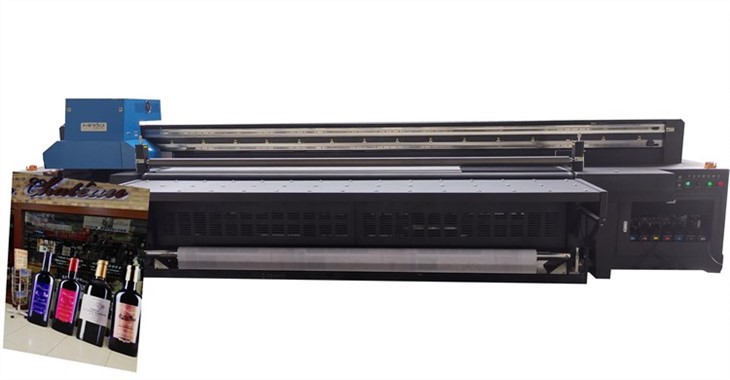
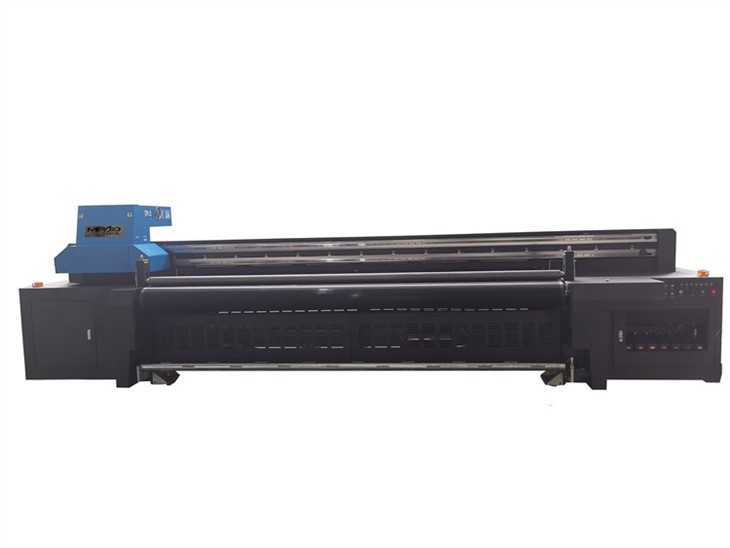
- Choose the Right Printer and Ink: Not all UV inkjet printers are suitable for printing on tempered glass. Make sure to choose a printer that is specifically designed for printing on glass or other non-porous materials. Additionally, use UV ink that is formulated for glass printing to ensure optimal adhesion and durability.
- Prepare the Glass Surface: As mentioned earlier, the surface of tempered glass needs to be properly prepared before printing. This can involve cleaning the glass thoroughly to remove any dirt, dust, or fingerprints, and then applying a primer or etching the surface to improve ink adhesion.
- Test the Printing Process: Before printing on a large batch of tempered glass, it is recommended to test the printing process on a small sample piece. This will allow you to adjust the printer settings and ensure that the ink adheres properly to the glass surface.
- Control the Printing Environment: To minimize the risk of breakage, it is important to control the printing environment. This includes maintaining a consistent temperature and humidity level, and avoiding any sudden changes in temperature or pressure during the printing process.
- Cure the Ink Properly: After printing, the ink needs to be cured properly to ensure its durability. This can involve using a UV curing lamp or a conveyorized UV curing system to expose the printed glass to UV light for a specific period of time.
Applications of Printing on Tempered Glass
Printing on tempered glass using a UV inkjet printer has a wide range of applications in various industries. Here are some examples:
- Architecture and Interior Design: Tempered glass with printed designs can be used to create decorative partitions, shower doors, and wall panels. The ability to print custom designs and patterns allows for unique and personalized interior spaces.
- Advertising and Signage: UV inkjet printing on tempered glass is an effective way to create eye-catching signage and displays. The high-resolution prints and vibrant colors make the signage stand out and attract attention.
- Consumer Electronics: Tempered glass is commonly used in mobile device screens, and UV inkjet printing can be used to add custom designs, logos, or branding to the glass. This can enhance the aesthetic appeal of the device and make it more unique.
- Automotive Industry: Printing on tempered glass can be used in the automotive industry for applications such as window graphics, dashboard displays, and decorative elements. The durable prints can withstand the harsh conditions of the automotive environment.
Conclusion
In conclusion, a UV inkjet printer can indeed print on tempered glass, offering a range of benefits such as high-quality prints, durability, and customization. While there are some challenges associated with printing on tempered glass, these can be overcome by following the best practices outlined in this blog post.
If you are interested in exploring the possibilities of printing on tempered glass using a UV inkjet printer, I encourage you to get in touch with us. As a leading provider of UV inkjet printers, we have the expertise and experience to help you find the right solution for your printing needs. Whether you are looking to print on a small batch of glass samples or a large production run, we can provide you with the support and guidance you need to achieve the best results.
References
- "UV Inkjet Printing Technology: Principles and Applications" by John Doe
- "Printing on Glass: Techniques and Best Practices" by Jane Smith
- "Tempered Glass: Properties and Applications" by Robert Johnson