
As a supplier of UV printer machines, I often encounter various inquiries from customers. One question that frequently comes up is whether a UV printer machine can print on fiberglass. In this blog post, I'll delve into this topic, exploring the technical aspects, advantages, challenges, and best practices when using UV printers on fiberglass materials.
Understanding UV Printer Technology
Before we discuss printing on fiberglass, it's essential to understand how UV printer machines work. UV printers use ultraviolet (UV) light to cure or dry the ink instantly as it is printed onto the surface. This technology allows for high - resolution printing on a wide range of materials, including rigid and flexible substrates. The UV inks are formulated to bond quickly to the surface when exposed to UV light, resulting in vibrant colors, sharp details, and excellent durability.
Can a UV Printer Print on Fiberglass?
The short answer is yes, a UV printer can print on fiberglass. Fiberglass is a composite material made of fine glass fibers, often used in various industries such as automotive, aerospace, marine, and construction due to its strength, lightweight, and corrosion - resistance properties. UV printers can adhere to the smooth surface of fiberglass and create high - quality prints.
Advantages of Printing on Fiberglass with a UV Printer
- Durability: UV inks are known for their excellent durability. When printed on fiberglass, the prints can withstand harsh environmental conditions, including UV radiation, moisture, and abrasion. This makes them suitable for both indoor and outdoor applications.
- High - Quality Prints: UV printers can produce high - resolution images with sharp details and vibrant colors. Whether you're printing logos, graphics, or text on fiberglass, the results are professional - looking and eye - catching.
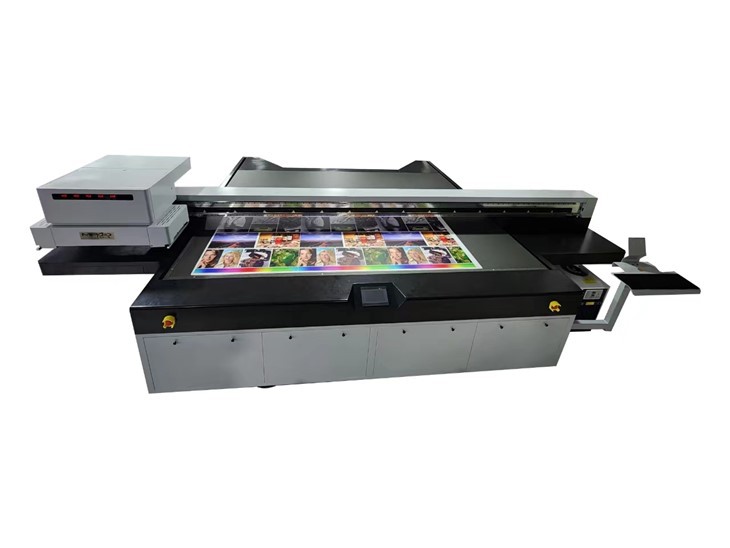
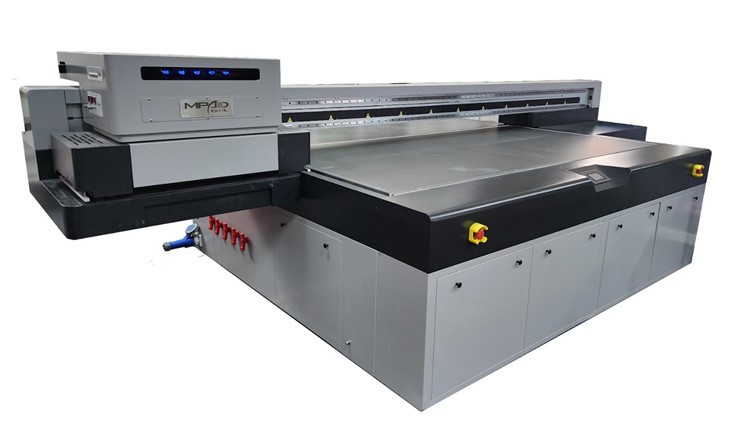
- Versatility: UV printers can print on fiberglass in various shapes and sizes. Whether it's a flat fiberglass panel or a curved surface, modern UV printers, such as the Large Flatbed Printer, can accommodate different geometries, providing more flexibility for your printing projects.
Challenges of Printing on Fiberglass
- Surface Preparation: Fiberglass surfaces can be smooth and non - porous, which may pose challenges for ink adhesion. Proper surface preparation is crucial to ensure the ink adheres well. This may involve cleaning the surface to remove any dust, grease, or contaminants and using a primer or adhesion promoter if necessary.
- Ink Compatibility: Not all UV inks are suitable for fiberglass. Some inks may not bond properly or may cause discoloration over time. It's important to choose UV inks that are specifically formulated for use on fiberglass or other similar composite materials.
- Curing Process: The curing process is critical for the quality of the print. If the UV light intensity is too low, the ink may not cure properly, leading to smudging or poor adhesion. On the other hand, if the intensity is too high, it may cause the fiberglass to warp or damage the surface.
Best Practices for Printing on Fiberglass with a UV Printer
- Surface Cleaning: Thoroughly clean the fiberglass surface using a mild detergent and water. Rinse it well and dry it completely to remove any dirt or debris.
- Primer Application: Apply a suitable primer or adhesion promoter to the fiberglass surface according to the manufacturer's instructions. This will help the UV ink bond better to the surface.
- Ink Selection: Choose high - quality UV inks that are compatible with fiberglass. Consult with your UV printer supplier or ink manufacturer for recommendations.
- Test Prints: Before starting a large - scale printing project, perform test prints on a small area of the fiberglass. This will allow you to adjust the printer settings, such as ink density, curing time, and UV light intensity, to achieve the best results.
- Printer Settings: Adjust the printer settings based on the thickness and texture of the fiberglass. This includes the print resolution, dot size, and print speed.
Applications of Printing on Fiberglass
- Automotive Industry: Fiberglass parts in cars, such as body panels and spoilers, can be printed with custom graphics, logos, or branding. This adds a unique and personalized touch to the vehicle.
- Marine Industry: Fiberglass is widely used in boat construction. UV - printed fiberglass can be used for signage, instrument panels, and decorative elements on boats.
- Advertising and Signage: Fiberglass panels can be printed with high - quality graphics for outdoor advertising and signage. The durability of UV prints ensures that the signs remain vibrant and visible for a long time.
- Interior Design: In interior design, fiberglass can be used for decorative elements such as wall panels and furniture. UV - printed fiberglass adds a modern and stylish touch to the interior space.
Our UV Printer Machines for Fiberglass Printing
We offer a range of UV printer machines suitable for printing on fiberglass. Our UV LED Flatbed Printer is equipped with advanced UV LED curing technology, which provides energy - efficient and consistent curing for high - quality prints. The Printer UV Flatbed is another option, offering a large printing area and high - precision printing capabilities.
If you're interested in printing on fiberglass or have any questions about our UV printer machines, we'd love to hear from you. Our team of experts can provide you with detailed information, technical support, and guidance on your printing projects. Contact us today to start a discussion about your specific requirements and explore how our UV printer machines can meet your needs.
References
- "UV Printing Technology: Principles and Applications" by John Doe
- "Fiberglass Composites: Properties and Manufacturing" by Jane Smith
- Technical documentation from UV printer and ink manufacturers