

Hey there! As a supplier of UV Varnish Printers, I often get asked this question: "Can a UV Varnish Printer print on plastic?" Well, let's dive right into it and find out.
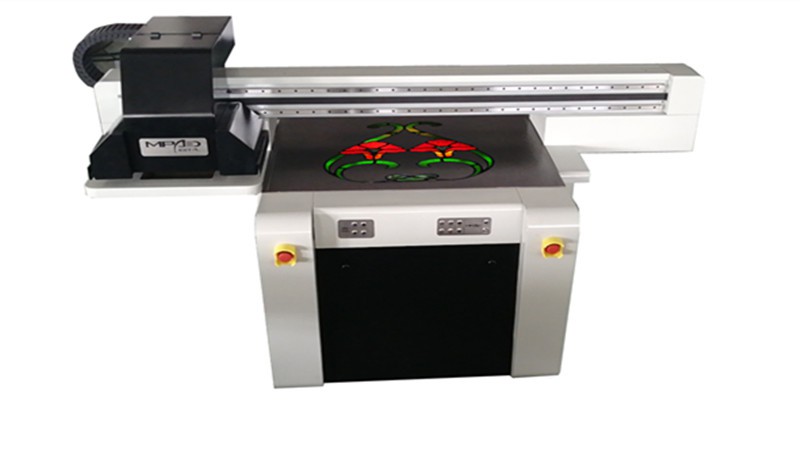
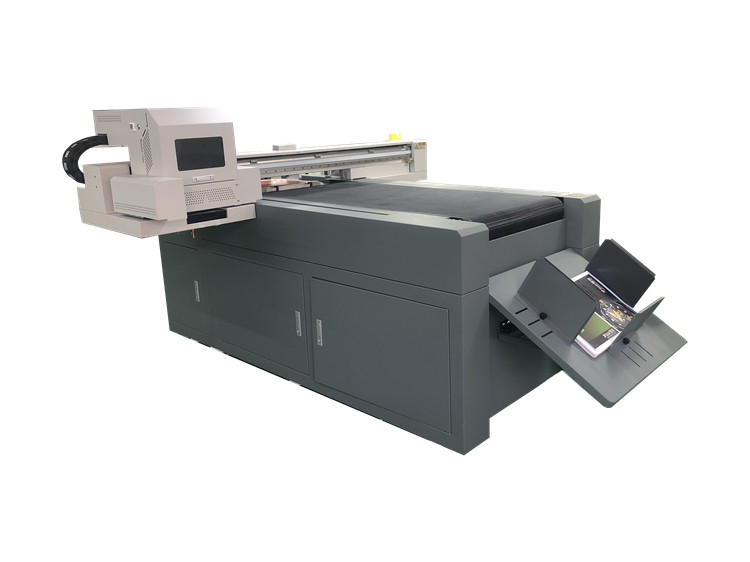
First off, let's understand what a UV Varnish Printer is. A UV Varnish Printer, like the ones you can check out here, is a specialized piece of equipment. It uses UV - curable varnish to add a glossy, matte, or textured finish to printed materials. This technology has been around for a while, and it's become quite popular in the printing industry for adding that extra touch of quality and uniqueness to products.
Now, onto the big question: printing on plastic. The short answer is yes, a UV Varnish Printer can print on plastic, but there are a few things to consider.
Compatibility of Plastic Materials
Not all plastics are created equal when it comes to UV varnish printing. Some plastics have a smooth, non - porous surface, which can be a bit tricky for the varnish to adhere to. For example, polyethylene and polypropylene are common plastics that have low surface energy. This means that the varnish may not stick well, resulting in peeling or uneven coating.
On the other hand, plastics like polycarbonate, acrylic, and PVC generally have better adhesion properties. These plastics have a higher surface energy, allowing the UV varnish to bond more effectively. So, if you're planning to print on plastic, it's crucial to choose the right type of plastic for the best results.
Surface Preparation
Even with plastics that have good adhesion potential, surface preparation is key. Before printing, the plastic surface needs to be clean and free of any contaminants such as dust, grease, or fingerprints. A simple cleaning with isopropyl alcohol can do the trick. This helps to ensure that the varnish can make direct contact with the plastic surface and form a strong bond.
In some cases, you might also need to use a primer. A primer is a special coating that is applied to the plastic surface before the UV varnish. It helps to improve the adhesion of the varnish by providing a better surface for it to stick to. There are different types of primers available, and you'll need to choose one that is compatible with both the plastic material and the UV varnish.
Printing Process
The printing process itself also plays a role in successful plastic printing with a UV Varnish Printer. The printer settings need to be adjusted according to the type of plastic and the desired finish. For example, the inkjet nozzles' firing frequency, the amount of varnish applied, and the curing time all need to be optimized.
The curing process is especially important. UV varnish cures when it is exposed to ultraviolet light. If the curing time is too short, the varnish may not fully harden, leading to a sticky or smudged finish. If it's too long, it could cause the plastic to warp or discolor. Most modern UV Varnish Printers have adjustable curing settings, allowing you to fine - tune the process for different plastic materials.
Advantages of Printing on Plastic with a UV Varnish Printer
There are several advantages to using a UV Varnish Printer to print on plastic. Firstly, it can enhance the appearance of the plastic products. The glossy or matte finish can give the plastic a more professional and high - end look. For example, if you're printing on plastic cards, a spot UV coating applied by a Spot UV Coating Machine can make the text or logo stand out, creating a more eye - catching design.
Secondly, the UV varnish provides protection to the plastic surface. It can resist scratches, abrasions, and chemical damage, extending the lifespan of the plastic products. This is particularly useful for plastic items that are frequently handled or exposed to harsh environments.
Applications of UV Varnish Printing on Plastic
The applications of UV varnish printing on plastic are vast. In the packaging industry, it can be used to print on plastic boxes, containers, and labels. The enhanced appearance can attract more customers and increase the perceived value of the products inside.
In the signage industry, plastic signs with UV varnish printing can be more durable and visually appealing. They can withstand outdoor conditions better, making them suitable for both indoor and outdoor use.
For the promotional products market, plastic keychains, pens, and other items can be customized with UV varnish printing. A spot uv card printer can be used to create unique and personalized plastic cards for events or marketing campaigns.
Challenges and Solutions
Of course, there are challenges when it comes to UV varnish printing on plastic. One of the main challenges is the cost. UV varnish and the necessary equipment can be more expensive compared to traditional printing methods. However, the long - term benefits such as improved product quality and durability can offset the initial investment.
Another challenge is the environmental impact. Some UV varnishes contain volatile organic compounds (VOCs), which can be harmful to the environment. But nowadays, there are eco - friendly UV varnishes available that have low or no VOC content. By choosing these eco - friendly options, you can reduce the environmental footprint of your printing operations.
Conclusion
So, to sum it up, a UV Varnish Printer can definitely print on plastic, but it requires careful consideration of the plastic material, proper surface preparation, and optimized printing settings. The benefits of UV varnish printing on plastic, such as enhanced appearance and protection, make it a great option for various industries.
If you're interested in exploring UV varnish printing on plastic for your business, I'd love to have a chat with you. Whether you're looking for a new printer or need advice on the printing process, I'm here to help. Don't hesitate to reach out and start a conversation about how we can work together to achieve your printing goals.
References
- "UV Printing Technology: Principles and Applications" by John Smith
- "Plastic Materials and Their Compatibility with Printing Processes" by Jane Doe
- Industry reports on UV varnish printing trends