

Hey there! As a supplier of UV inkjet printers, I'm super excited to share with you how these amazing machines work. UV inkjet printers have revolutionized the printing industry, offering high - quality, durable, and versatile printing solutions. So, let's dive right in!
The Basics of UV Inkjet Printing
First off, let's talk about what UV inkjet printing is all about. In simple terms, it's a digital printing method that uses ultraviolet (UV) light to cure or dry the ink as it's printed onto a substrate. This is a huge contrast to traditional printing methods, where the ink dries through evaporation or absorption into the substrate.
The key components of a UV inkjet printer include the printhead, UV lamps, ink cartridges, and a control system. The printhead is like the heart of the printer. It's responsible for ejecting tiny droplets of ink onto the substrate. These droplets are incredibly small, often just a few picoliters in volume, which allows for very detailed and precise printing.
How the Printhead Works
The printhead in a UV inkjet printer uses either a piezoelectric or thermal method to eject ink. Piezoelectric printheads are more common in high - end printers. They work by using tiny piezoelectric crystals. When an electric current is applied to these crystals, they change shape, which in turn forces a droplet of ink out of the printhead nozzle.
Thermal printheads, on the other hand, use heat to create bubbles in the ink. When the bubble expands, it pushes a droplet of ink out of the nozzle. Once the bubble collapses, more ink is drawn into the chamber to replace the ejected droplet.
The printhead moves back and forth across the substrate, laying down the ink in a pattern based on the digital image being printed. The printer's control system precisely coordinates the movement of the printhead and the ejection of ink droplets to ensure accurate and consistent printing.
UV Ink and Its Properties
UV ink is a special type of ink that is designed to be cured by UV light. It contains monomers, oligomers, photoinitiators, and pigments. Monomers and oligomers are the building blocks of the ink. They form the polymer network that gives the cured ink its strength and durability.
Photoinitiators are the key to the curing process. When exposed to UV light, they break down and create free radicals. These free radicals then react with the monomers and oligomers, causing them to polymerize and form a solid, cured film.
The pigments in the ink are what give it color. They are carefully selected to provide a wide range of colors and excellent colorfastness. UV ink is also resistant to fading, scratching, and chemicals, making it ideal for a variety of applications.
The Curing Process
Once the ink droplets are deposited on the substrate, they need to be cured. This is where the UV lamps come in. Most UV inkjet printers have one or more UV lamps that are positioned near the printhead. As soon as the ink is printed, it passes under the UV lamp, and the photoinitiators in the ink are activated.
The curing process is extremely fast, usually taking just a fraction of a second. This means that the printed material can be handled immediately after printing, without the risk of smudging or smearing. It also allows for high - speed printing, as the printer doesn't have to wait for the ink to dry naturally.
Substrates and Applications
One of the great things about UV inkjet printers is their versatility when it comes to substrates. They can print on a wide variety of materials, including paper, cardboard, plastic, metal, glass, and wood. This makes them suitable for a range of applications, such as signage, packaging, labels, and even industrial printing.
For example, if you're in the signage business, you can use a UV inkjet printer to create vibrant, long - lasting signs on materials like acrylic or aluminum. In the packaging industry, these printers can print high - quality graphics directly onto boxes and containers, eliminating the need for additional labeling.
Our Range of UV Inkjet Printers
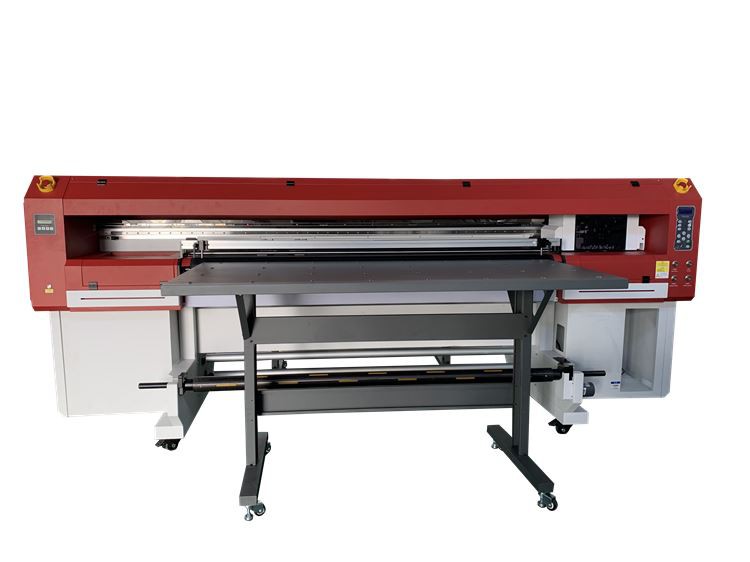
As a supplier, we offer a great selection of UV inkjet printers, including uv hybrid flatbed printers. These printers combine the best of both worlds, allowing you to print on both flat and curved surfaces. They are perfect for printing on irregularly shaped objects, such as bottles or cylinders.
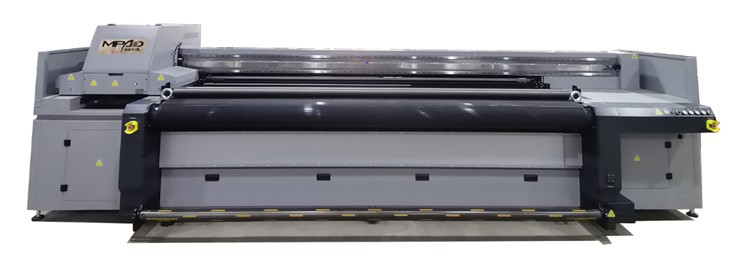
We also have uv ink jet printer models that are designed for high - volume production. These printers are equipped with advanced printheads and UV curing systems to ensure fast and efficient printing.
And let's not forget our Hybrid Printer. It's a multi - functional printer that can handle different types of printing jobs with ease. Whether you need to print small - scale prototypes or large - scale production runs, our hybrid printer has got you covered.
Why Choose Our UV Inkjet Printers
There are several reasons why you should consider our UV inkjet printers. Firstly, we offer high - quality printers at competitive prices. Our printers are built to last, with robust construction and reliable components.
Secondly, we provide excellent customer support. Our team of experts is always on hand to answer your questions, offer technical advice, and help you with any issues you may encounter.
Finally, we are committed to innovation. We are constantly researching and developing new technologies to improve the performance and capabilities of our printers. This means that you can be sure you're getting the latest and greatest in UV inkjet printing technology.
Contact Us for a Purchase
If you're interested in purchasing a UV inkjet printer, we'd love to hear from you. Whether you're a small business owner looking for a cost - effective printing solution or a large corporation in need of high - volume production capabilities, we have the right printer for you.
Don't hesitate to reach out to us to discuss your specific requirements. We can provide you with detailed product information, pricing, and even arrange a demonstration so you can see our printers in action.
References
- "The Handbook of Digital Printing" by Paul F. Daly
- "Inkjet Printing Technology" by Herbert N. Beck