

In the dynamic world of printing technology, innovation is constantly reshaping the way we approach visual communication. One such advancement that has gained significant traction in recent years is the UV Varnish Printer. As a supplier of UV Varnish Printers, I've witnessed firsthand the transformative impact these machines have on the printing industry. In this blog post, I'll delve into the key differences between a UV Varnish Printer and a regular printer, exploring how these distinctions can elevate your printing projects to new heights.
Understanding the Basics: Regular Printers
Regular printers, such as inkjet and laser printers, have long been the workhorses of the printing world. These machines are designed to apply ink to a substrate, typically paper, to create text and images. Inkjet printers work by propelling tiny droplets of ink onto the paper, while laser printers use a laser beam to transfer toner onto the paper and then fuse it with heat.
One of the primary advantages of regular printers is their versatility. They can handle a wide range of printing tasks, from simple text documents to high-resolution photographs. They are also relatively affordable and easy to use, making them a popular choice for home and office use.
However, regular printers have their limitations. The ink used in these printers is typically water-based or solvent-based, which means it can take some time to dry. This can lead to smudging and smearing, especially if the printed material is handled before the ink has fully dried. Additionally, the colors produced by regular printers may not be as vibrant or long-lasting as those produced by other printing methods.
The Power of UV Varnish Printing
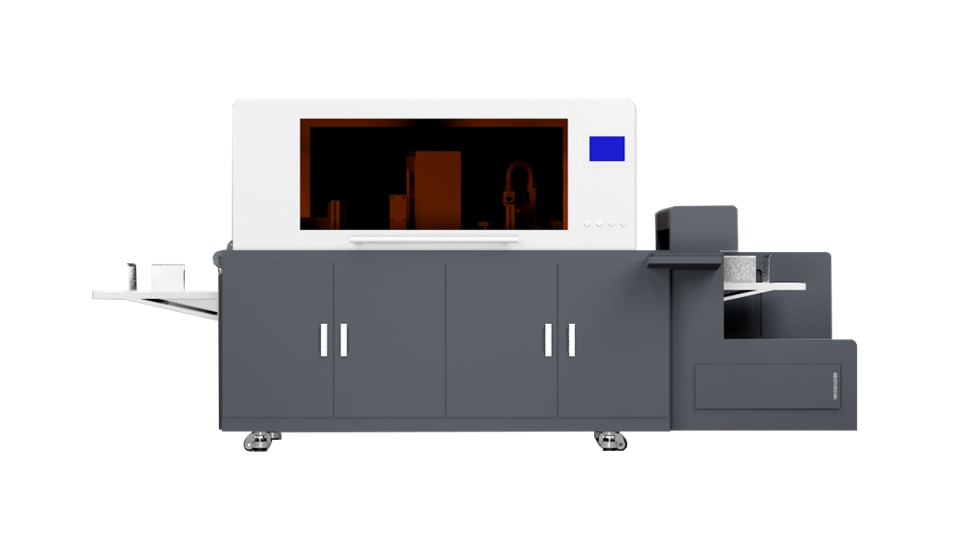
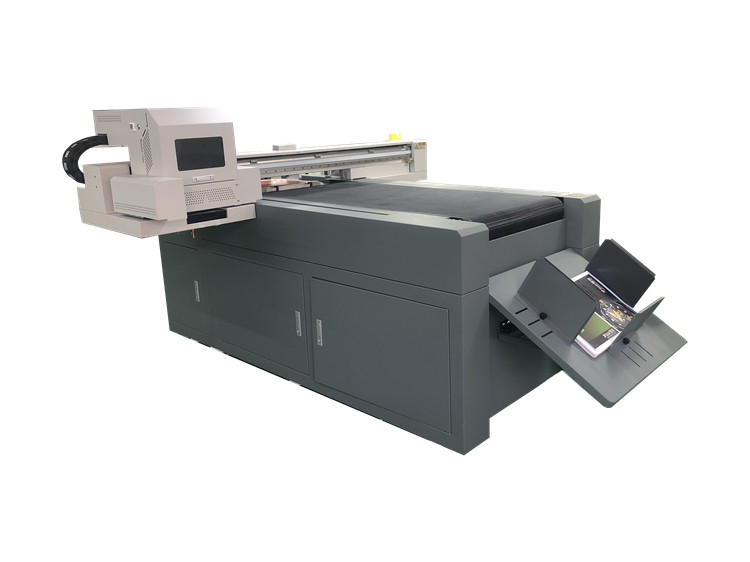
UV Varnish Printers, on the other hand, offer a unique set of capabilities that set them apart from regular printers. These machines use ultraviolet (UV) light to cure or dry the ink and varnish instantly, resulting in a high-quality, durable finish.
One of the key advantages of UV Varnish Printing is its ability to create a raised, textured effect on the printed surface. This is achieved by applying a layer of UV varnish to the printed material and then curing it with UV light. The varnish can be applied in a variety of patterns and designs, adding depth and dimension to the printed image.
Another advantage of UV Varnish Printing is its ability to enhance the colors and contrast of the printed material. The UV light used in the curing process helps to intensify the colors, making them more vibrant and eye-catching. Additionally, the varnish can help to protect the printed material from scratches, abrasions, and fading, ensuring that it looks great for years to come.
UV Varnish Printing is also highly versatile. It can be used on a wide range of substrates, including paper, cardboard, plastic, metal, and glass. This makes it a popular choice for a variety of applications, such as packaging, labels, brochures, and promotional materials.
Key Differences Between UV Varnish Printers and Regular Printers
Now that we have a better understanding of how regular printers and UV Varnish Printers work, let's take a closer look at the key differences between the two.
Drying Time
As mentioned earlier, regular printers use water-based or solvent-based ink, which can take some time to dry. This can be a significant drawback, especially when printing large quantities of material or when working with tight deadlines. UV Varnish Printers, on the other hand, use UV light to cure the ink and varnish instantly, eliminating the need for drying time. This allows for faster production speeds and increased efficiency.
Durability
The ink used in regular printers is typically not as durable as the UV-cured ink used in UV Varnish Printers. The UV light used in the curing process helps to create a strong, protective layer on the printed surface, making it more resistant to scratches, abrasions, and fading. This makes UV Varnish Printing ideal for applications where the printed material will be exposed to wear and tear, such as packaging and labels.
Color Quality
UV Varnish Printing offers superior color quality compared to regular printing. The UV light used in the curing process helps to intensify the colors, making them more vibrant and eye-catching. Additionally, the varnish can help to enhance the contrast and sharpness of the printed image, resulting in a more professional-looking finish.
Versatility
Regular printers are typically designed to print on paper and other flat substrates. UV Varnish Printers, on the other hand, can print on a wide range of substrates, including paper, cardboard, plastic, metal, and glass. This makes them a more versatile option for a variety of applications.
Cost
UV Varnish Printers are typically more expensive than regular printers. This is due to the advanced technology and materials used in these machines. However, the increased durability, color quality, and versatility of UV Varnish Printing can often justify the higher cost, especially for businesses that require high-quality printed materials.
Applications of UV Varnish Printing
UV Varnish Printing has a wide range of applications in various industries. Here are some of the most common uses:
Packaging
UV Varnish Printing is widely used in the packaging industry to create eye-catching labels, boxes, and bags. The raised, textured effect created by the varnish can help to differentiate products on the shelf and attract consumers' attention. Additionally, the durability of the UV-cured ink and varnish ensures that the packaging looks great throughout the product's lifecycle.
Labels
Labels are another popular application for UV Varnish Printing. The ability to create a raised, textured effect on the label can help to make it more noticeable and memorable. Additionally, the durability of the UV-cured ink and varnish ensures that the label remains intact and legible even in harsh environments.
Brochures and Catalogs
UV Varnish Printing can be used to enhance the look and feel of brochures and catalogs. The vibrant colors and raised, textured effect created by the varnish can help to make the printed material more engaging and professional-looking. Additionally, the durability of the UV-cured ink and varnish ensures that the brochures and catalogs withstand frequent handling.
Promotional Materials
UV Varnish Printing is also commonly used to create promotional materials, such as flyers, posters, and banners. The ability to create a high-quality, eye-catching finish can help to increase the effectiveness of these materials and attract more attention from potential customers.
Conclusion
In conclusion, UV Varnish Printers offer a unique set of capabilities that set them apart from regular printers. The ability to cure the ink and varnish instantly, create a raised, textured effect, enhance the colors and contrast, and print on a wide range of substrates makes UV Varnish Printing a powerful tool for businesses that require high-quality printed materials.
If you're looking to take your printing projects to the next level, I encourage you to consider investing in a UV Varnish Printer. As a supplier of UV Varnish Printers, I can provide you with the expertise and support you need to choose the right machine for your needs. Whether you're in the packaging, label, brochure, or promotional materials industry, a UV Varnish Printer can help you create stunning, professional-looking printed materials that will make a lasting impression on your customers.
If you're interested in learning more about UV Varnish Printing or our range of Digital Foiling Printing Machine and UV Spot Varnish Printing solutions, please don't hesitate to contact us. We'd be happy to discuss your requirements and provide you with a free consultation.
References
- "UV Printing Technology: A Comprehensive Guide." Printwear & Promotion, [publication date].
- "The Benefits of UV Varnish Printing." Packaging Digest, [publication date].
- "How UV Varnish Printing Works." Printing Impressions, [publication date].