
Hey there! As a supplier of Single Pass Printers, I often get asked about how the drying process works in these nifty machines. So, I thought I'd take a few minutes to break it down for you in a way that's easy to understand.
First off, let's talk about what a Single Pass Printer is. In simple terms, it's a printer that can print an entire image or design in one pass. This is a huge advantage over traditional printers that have to make multiple passes over the same area to build up the image. It saves time, increases efficiency, and generally produces a better quality print.
Now, let's get into the drying process. When ink is applied to a substrate (like paper, cardboard, or even plastic), it needs to dry quickly to prevent smudging and ensure a sharp, clear image. In a Single Pass Printer, there are a few different methods used to achieve this.
One of the most common methods is using heat. Heat can be applied in a few different ways. Some printers use infrared (IR) heaters. These heaters emit infrared radiation, which is absorbed by the ink and the substrate. The energy from the infrared radiation heats up the ink and causes the solvents in the ink to evaporate. This leaves behind the pigment, which is what forms the printed image. The advantage of using IR heaters is that they can heat up the ink quickly and efficiently. They can also be adjusted to target specific areas, which is useful for drying different types of inks or substrates.
Another way to use heat is through hot air drying. In this method, hot air is blown over the printed surface. The hot air helps to evaporate the solvents in the ink, just like with the IR heaters. The hot air can be generated by a heater within the printer, and it's usually blown through a nozzle or a series of nozzles. One of the benefits of hot air drying is that it can cover a larger area at once, which is great for large - format printing. However, it might not be as precise as IR heating.
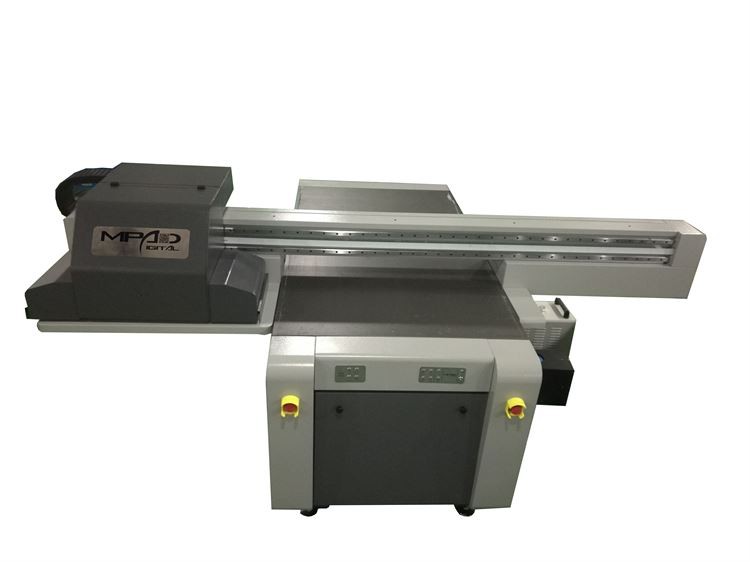
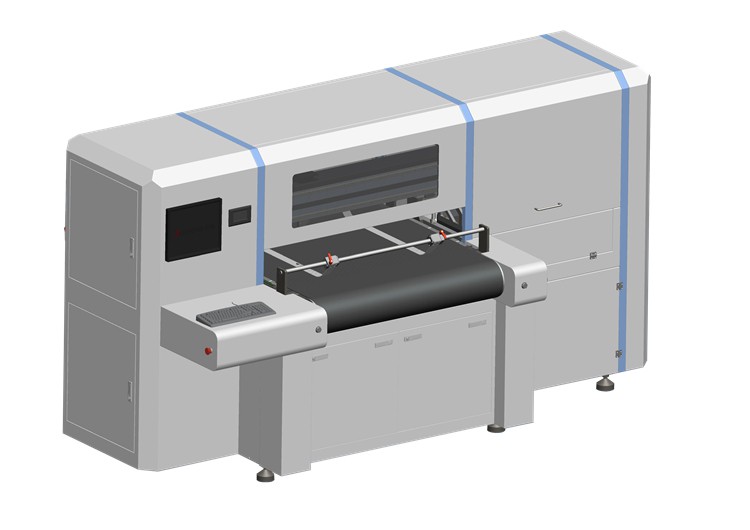
UV (ultraviolet) curing is another popular drying method in Single Pass Printers. UV inks are formulated to react to ultraviolet light. When the UV ink is exposed to UV light, a chemical reaction called polymerization occurs. This reaction causes the ink to harden and dry almost instantly. UV curing has several advantages. It's very fast, which means the printer can keep up a high production speed. It also produces a very durable print, as the cured ink is resistant to scratches and fading. Plus, since the ink dries so quickly, there's less chance of smudging or misalignment.
Now, let's talk about how these drying methods are integrated into the printer. In a Single Pass Printer, the drying system is usually located right after the print head. As soon as the ink is applied to the substrate, it passes through the drying area. This ensures that the ink starts drying immediately, reducing the risk of smudging.
The printer's control system plays a crucial role in the drying process. It monitors the temperature, the intensity of the UV light (if using UV curing), and the speed of the substrate as it passes through the printer. Based on these factors, the control system can adjust the drying parameters to ensure optimal drying. For example, if the substrate is thicker, the printer might increase the heat or the UV light intensity to ensure the ink dries properly.
The type of substrate also affects the drying process. Different materials absorb and retain heat differently. For example, paper is a porous material, which means it can absorb the ink and the solvents in the ink. This can make it a bit more challenging to dry compared to a non - porous material like plastic. When printing on paper, the printer might need to use a combination of drying methods or adjust the drying time to ensure the ink dries completely.
When it comes to the applications of Single Pass Printers, they are widely used in industries like packaging. For instance, Corrugated Board Printing Machine and Carton Printing Machine are two important types of machines in this field. They need to print high - quality images on corrugated boards and cartons quickly and efficiently. The drying process in these printers is crucial to ensure that the printed packaging looks great and is ready for use right away.
In a Corrugated Board Printing Machine, the drying system needs to be able to handle the unique properties of corrugated board. The corrugated structure can make it difficult for heat or UV light to reach all parts of the printed area evenly. So, the printer might use a combination of drying methods and special nozzles or reflectors to ensure that the ink on the corrugated board dries properly.
If you're in the market for a Single Pass Printer, understanding the drying process is essential. It can help you choose the right printer for your specific needs. Whether you're printing on paper, cardboard, or other materials, a good drying system is crucial for getting high - quality, smudge - free prints.
If you're interested in learning more about our Single Pass Printers or have any questions about the drying process or other features, don't hesitate to reach out. We're here to help you find the perfect printer for your business and answer any questions you might have. Whether you're a small - scale operation or a large manufacturing plant, we've got the expertise and the products to meet your printing needs. Let's have a chat and see how we can work together to take your printing to the next level.
References:
- Printing Technology Handbook
- Inkjet Printing: Principles and Applications