

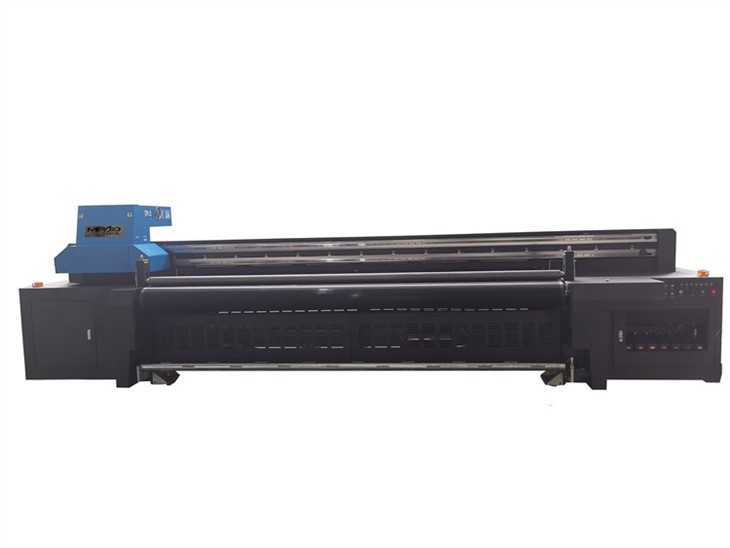
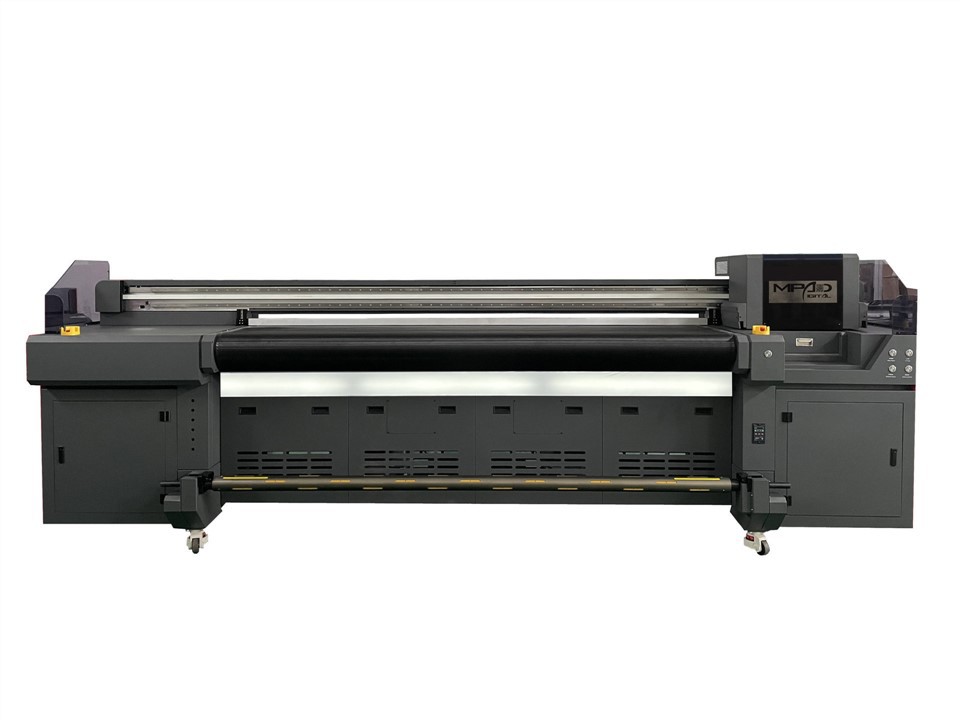
Hybrid printers, a revolutionary innovation in the printing industry, combine the versatility of flatbed and roll-to-roll printing capabilities. As a leading hybrid printer supplier, we understand the significance of maintaining optimal operating temperatures for these high-performance machines. Overheating can lead to a multitude of issues, including reduced print quality, component damage, and even system failures. In this blog post, we will delve into the causes of overheating in hybrid printers and provide practical strategies to prevent it.
Understanding the Causes of Overheating
Before we can effectively prevent overheating, it's essential to understand the factors that contribute to it. Here are some common causes of overheating in hybrid printers:
- High Ambient Temperature: Hybrid printers generate a significant amount of heat during operation. If the ambient temperature in the printing environment is too high, it can impede the printer's ability to dissipate heat effectively, leading to overheating.
- Inadequate Ventilation: Proper ventilation is crucial for removing hot air from the printer and maintaining a cool operating environment. If the printer is placed in a confined space or if the ventilation system is blocked, heat can build up inside the printer, causing overheating.
- Dust and Debris: Dust and debris can accumulate on the printer's internal components, such as the fans, heat sinks, and circuit boards. This buildup can insulate the components, preventing them from dissipating heat effectively and leading to overheating.
- Continuous Operation: Running the printer continuously for extended periods without allowing it to cool down can cause the internal components to overheat. This is especially true if the printer is operating at high speeds or printing large volumes of material.
- Faulty Components: A malfunctioning component, such as a fan or a power supply, can cause the printer to overheat. If you suspect that a component is faulty, it's important to have it replaced as soon as possible to prevent further damage to the printer.
Strategies to Prevent Overheating
Now that we understand the causes of overheating, let's explore some practical strategies to prevent it. By implementing these strategies, you can ensure that your hybrid printer operates at optimal temperatures and maintains its performance and reliability.
- Maintain a Cool Environment: The first step in preventing overheating is to ensure that the printing environment is cool and well-ventilated. Keep the printer away from direct sunlight, heat sources, and other equipment that generates heat. If possible, install air conditioning or a ventilation system in the printing area to maintain a stable temperature.
- Clean the Printer Regularly: Regular cleaning is essential for preventing dust and debris from accumulating on the printer's internal components. Use a soft, dry cloth to wipe down the exterior of the printer and a compressed air canister to blow out any dust or debris from the internal components. Pay special attention to the fans, heat sinks, and circuit boards.
- Check the Ventilation System: Make sure that the printer's ventilation system is working properly. Check the fans to ensure that they are spinning freely and that there are no obstructions blocking the air intake or exhaust vents. If you notice any issues with the ventilation system, have it repaired or replaced as soon as possible.
- Allow the Printer to Cool Down: If you need to run the printer continuously for extended periods, make sure to allow it to cool down periodically. Turn off the printer and let it sit for at least 15-30 minutes before restarting it. This will give the internal components time to cool down and prevent overheating.
- Monitor the Printer's Temperature: Most hybrid printers are equipped with temperature sensors that can monitor the internal temperature of the printer. Use these sensors to monitor the printer's temperature and take action if it starts to overheat. If the temperature exceeds the recommended range, stop the printer immediately and allow it to cool down.
- Use High-Quality Supplies: Using high-quality ink, media, and other supplies can help to prevent overheating. Low-quality supplies can cause the printer to work harder, generating more heat and increasing the risk of overheating. Make sure to use supplies that are specifically designed for your printer and that meet the manufacturer's specifications.
- Schedule Regular Maintenance: Regular maintenance is essential for keeping your hybrid printer in good working condition. Schedule regular maintenance appointments with a qualified technician to have the printer inspected, cleaned, and serviced. This will help to identify and address any potential issues before they cause overheating or other problems.
The Importance of Preventing Overheating
Preventing overheating in your hybrid printer is not only important for maintaining its performance and reliability but also for ensuring the safety of your employees and the longevity of your equipment. Here are some of the key benefits of preventing overheating:
- Improved Print Quality: Overheating can cause the printer's internal components to expand and contract, which can lead to misalignment and other issues that can affect print quality. By preventing overheating, you can ensure that your printer produces high-quality prints consistently.
- Reduced Downtime: Overheating can cause the printer to malfunction or even fail, which can result in costly downtime and lost productivity. By preventing overheating, you can minimize the risk of printer breakdowns and keep your production running smoothly.
- Extended Equipment Lifespan: Overheating can cause premature wear and tear on the printer's internal components, reducing their lifespan and increasing the need for costly repairs or replacements. By preventing overheating, you can extend the lifespan of your printer and save money on maintenance and replacement costs.
- Enhanced Safety: Overheating can pose a fire hazard, especially if the printer is operating in a confined space or if there are flammable materials nearby. By preventing overheating, you can reduce the risk of fire and ensure the safety of your employees and your workplace.
Conclusion
As a hybrid printer supplier, we are committed to providing our customers with high-quality printers and the support they need to keep them running smoothly. By following the strategies outlined in this blog post, you can prevent overheating in your hybrid printer and ensure that it operates at optimal temperatures. Remember to maintain a cool environment, clean the printer regularly, check the ventilation system, allow the printer to cool down, monitor the printer's temperature, use high-quality supplies, and schedule regular maintenance. If you have any questions or need further assistance, please don't hesitate to contact us.
If you are interested in learning more about our UV Flatbed Roll To Roll Printer, Hybrid UV Printing Machine, or UV Hybrid Printers, or if you would like to discuss your printing needs and explore potential solutions, we encourage you to reach out to us. Our team of experts is ready to assist you in finding the perfect printer for your business and providing you with the support and guidance you need to ensure its optimal performance. Contact us today to start the conversation and take your printing capabilities to the next level.
References
- Manufacturer's manual for hybrid printers
- Industry best practices for printer maintenance and operation
- Technical articles on printer overheating prevention