

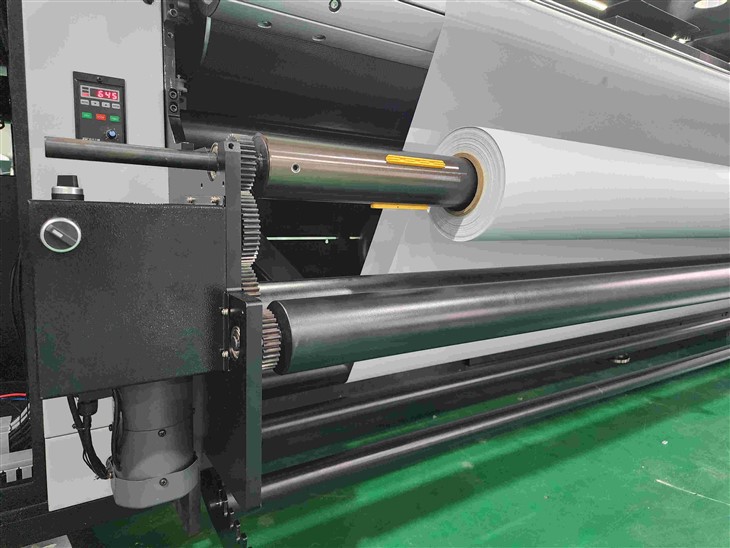
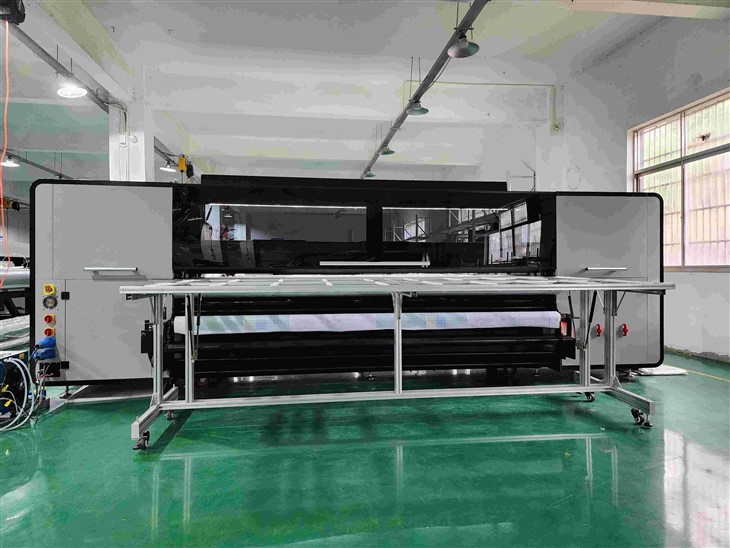
As a supplier of UV Hybrid Printers, I understand the importance of proper waste ink disposal. UV Hybrid Printers, such as those featured in Hybrid UV Printing, Hybrid Printing Machine, and Hybrid Ink Printer, are widely used in various industries for their high - quality printing capabilities. However, the waste ink generated from these printers can pose environmental and health risks if not disposed of correctly. In this blog, I will share some effective ways to dispose of the waste ink from a UV Hybrid Printer properly.
Understanding the Composition of UV Hybrid Printer Waste Ink
Before discussing the disposal methods, it's crucial to understand what the waste ink from a UV Hybrid Printer consists of. UV hybrid inks typically contain a combination of monomers, oligomers, photo - initiators, pigments, and additives. Monomers and oligomers are the building blocks of the ink that polymerize under UV light to form a solid film on the printing substrate. Photo - initiators are responsible for starting the polymerization process when exposed to UV radiation. Pigments provide color, and additives are used to improve ink properties such as viscosity, adhesion, and drying time.
Some of these components can be harmful to the environment and human health. For example, certain photo - initiators may be toxic to aquatic life, and some pigments may contain heavy metals. Therefore, improper disposal of waste ink can lead to soil and water contamination, as well as potential health hazards for those exposed to the pollutants.
Safe Collection of Waste Ink
The first step in proper waste ink disposal is the safe collection of the waste ink. Most UV Hybrid Printers are equipped with waste ink collectors or cartridges. These collectors are designed to hold the excess ink that is not used during the printing process. It is essential to regularly check the waste ink collectors to ensure they do not overflow.
When the waste ink collector is full, it should be carefully removed from the printer following the manufacturer's instructions. Use appropriate personal protective equipment (PPE) such as gloves and safety glasses when handling the waste ink collector. Transfer the waste ink from the collector to a suitable container. The container should be made of a material that is resistant to the chemicals in the ink, such as high - density polyethylene (HDPE) or polypropylene. Label the container clearly as "UV Hybrid Printer Waste Ink" and include information about the printer model and the date of collection.
On - Site Treatment Options
In some cases, it may be possible to treat the waste ink on - site before disposal. One option is to use an ink solidification agent. These agents are designed to turn the liquid waste ink into a solid form, which can then be more easily handled and disposed of. The solidification process typically involves mixing the waste ink with the solidification agent in a container. The agent reacts with the ink components to form a solid mass.
Another on - site treatment method is filtration. Filtration can be used to separate the pigments and other solid particles from the liquid part of the waste ink. This can reduce the volume of the waste ink and make it easier to dispose of. However, the filtered liquid may still contain some dissolved chemicals and should be treated further or disposed of properly.
It's important to note that on - site treatment should only be carried out if you have the necessary knowledge, equipment, and permits. Improper on - site treatment can lead to incomplete treatment of the waste ink, resulting in continued environmental and health risks.
Professional Waste Disposal Services
For most businesses, the safest and most environmentally responsible way to dispose of UV Hybrid Printer waste ink is to use professional waste disposal services. These services are specialized in handling hazardous waste and have the expertise and equipment to ensure proper disposal.
When choosing a waste disposal service, look for a company that is licensed and regulated by the relevant environmental authorities. The company should have a good track record of compliance with environmental regulations. They should also be able to provide you with a detailed waste disposal plan and documentation of the disposal process.
The waste disposal service will typically collect the waste ink containers from your site and transport them to a licensed treatment facility. At the treatment facility, the waste ink will be processed using advanced techniques such as incineration, chemical treatment, or recycling. Incineration can destroy the organic components of the waste ink, while chemical treatment can neutralize or break down the harmful chemicals. Recycling may involve extracting valuable components from the waste ink for reuse in the ink manufacturing process.
Environmental Regulations and Compliance
It is crucial to comply with all relevant environmental regulations when disposing of UV Hybrid Printer waste ink. Different countries and regions have different regulations regarding the disposal of hazardous waste. These regulations may cover aspects such as waste classification, collection, storage, transportation, treatment, and final disposal.
For example, in the United States, the Environmental Protection Agency (EPA) regulates the disposal of hazardous waste under the Resource Conservation and Recovery Act (RCRA). Under RCRA, UV Hybrid Printer waste ink may be classified as hazardous waste depending on its composition. Businesses are required to obtain the necessary permits and follow specific procedures for the management of hazardous waste.
In the European Union, the Waste Framework Directive and other related directives set out the rules for waste management, including the disposal of hazardous waste. Member states are responsible for implementing these directives at the national level.
Failure to comply with environmental regulations can result in significant fines and legal consequences. Therefore, it is essential to stay informed about the regulations in your area and ensure that your waste ink disposal practices are in full compliance.
Recycling Opportunities
Recycling is an environmentally friendly option for waste ink disposal. Some companies are developing technologies to recycle UV Hybrid Printer waste ink. Recycling can involve several processes, such as pigment extraction, monomer recovery, and ink reformulation.
Pigment extraction is the process of separating the pigments from the waste ink. The extracted pigments can then be used to produce new inks or other color - related products. Monomer recovery involves separating and purifying the monomers from the waste ink so that they can be reused in the ink manufacturing process. Ink reformulation is the process of adjusting the composition of the waste ink to make it suitable for reuse in printing.
While recycling is a promising option, it may not be widely available at present. However, as environmental awareness grows and technology advances, more recycling options for UV Hybrid Printer waste ink are likely to become available in the future.
Training and Education
Proper waste ink disposal also requires training and education for the users of UV Hybrid Printers. Employees who handle the printers and waste ink should be trained on the correct procedures for waste ink collection, handling, and disposal. They should also be educated about the potential environmental and health risks associated with improper waste ink disposal.
Training programs can include theoretical knowledge about the composition of UV Hybrid Printer waste ink, environmental regulations, and safety procedures. Practical training can involve hands - on demonstrations of waste ink collection, container handling, and the use of PPE. Regular refresher courses can be provided to ensure that employees stay up - to - date with the latest information and best practices.
Conclusion
Proper disposal of waste ink from a UV Hybrid Printer is essential for protecting the environment and human health. By following the steps outlined in this blog, including safe collection, on - site treatment (if applicable), using professional waste disposal services, complying with environmental regulations, exploring recycling opportunities, and providing training and education, you can ensure that your waste ink is disposed of in a responsible manner.
As a UV Hybrid Printer supplier, we are committed to helping our customers with their waste ink disposal needs. If you have any questions or need further information about UV Hybrid Printers or waste ink disposal, please feel free to contact us. We are here to support you in making environmentally friendly and sustainable printing choices. Whether you are looking to purchase a new Hybrid UV Printing system, a Hybrid Printing Machine, or a Hybrid Ink Printer, we can provide you with the best solutions and guidance.
References
- "UV Ink Technology: Principles and Applications" by John Doe, Print Technology Press, 20XX.
- Environmental Protection Agency (EPA). "Hazardous Waste Management Regulations." Available at the official EPA website.
- European Union. "Waste Framework Directive and Related Directives." Official EU Publications.