

Can a hybrid printer print on composite materials?
As a supplier of Hybrid Printers, I often get asked a wide range of questions from potential customers, and one that has been coming up more frequently lately is whether a hybrid printer can print on composite materials. This is a valid and important question, especially as the use of composite materials continues to grow across various industries. In this blog post, I'll delve into the details of this topic to provide you with a comprehensive understanding.
First, let's understand what composite materials are. Composite materials are made by combining two or more different substances with different physical or chemical properties. The resulting material has characteristics that are superior to those of the individual components. Common examples of composite materials include fiberglass, carbon fiber composites, and wood - plastic composites. These materials are widely used in industries such as aerospace, automotive, construction, and sports equipment due to their high strength - to - weight ratio, corrosion resistance, and other desirable properties.
Now, turning our attention to hybrid printers. A hybrid printer combines the features of different printing technologies, typically integrating flatbed and roll - to - roll printing capabilities. This versatility allows it to print on a wide variety of substrates, from rigid materials like wood and metal to flexible materials such as vinyl and fabric. Our Hybrid Printing Machine is designed to take advantage of these dual printing methods, offering a seamless printing experience for different types of jobs.
When it comes to printing on composite materials, several factors need to be considered. One of the most critical factors is the surface texture of the composite material. Composite materials can have a smooth, rough, or porous surface. A smooth surface is generally easier to print on as it allows for better ink adhesion and a more even print finish. Rough or porous surfaces, on the other hand, may absorb the ink unevenly, leading to issues such as blotching or poor color saturation.
Another important factor is the compatibility of the ink with the composite material. Our UV Ink Jet Printer uses UV - curable inks, which have several advantages when printing on composite materials. UV inks cure instantly when exposed to ultraviolet light, which means they form a hard, durable layer on the surface of the material. This not only ensures excellent adhesion but also provides resistance to scratching, abrasion, and fading. Additionally, UV inks are environmentally friendly as they do not emit volatile organic compounds (VOCs) during the printing process.
However, different composite materials may require different types of ink formulations. For example, some composite materials may be sensitive to certain chemicals in the ink, which could cause discoloration or damage to the material. Therefore, it's essential to conduct compatibility tests before starting a large - scale printing project. Our Versatile UV Hybrid Printer is equipped with advanced ink management systems that allow for precise control of the ink application, ensuring optimal results on a variety of composite materials.
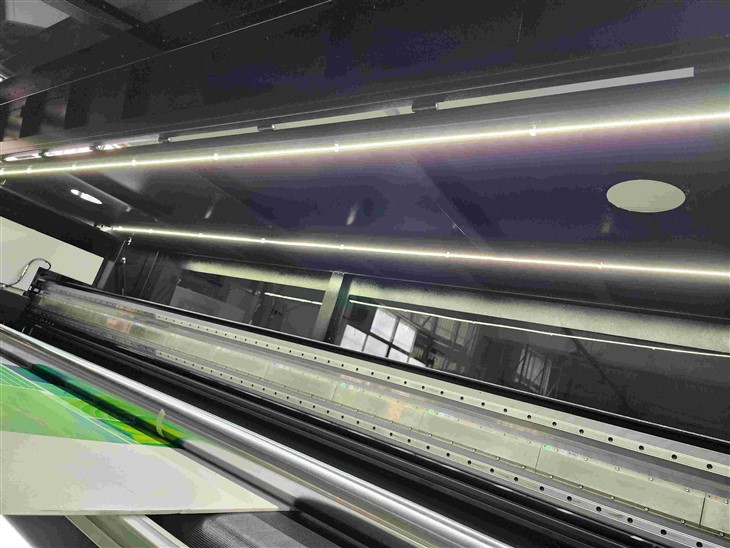
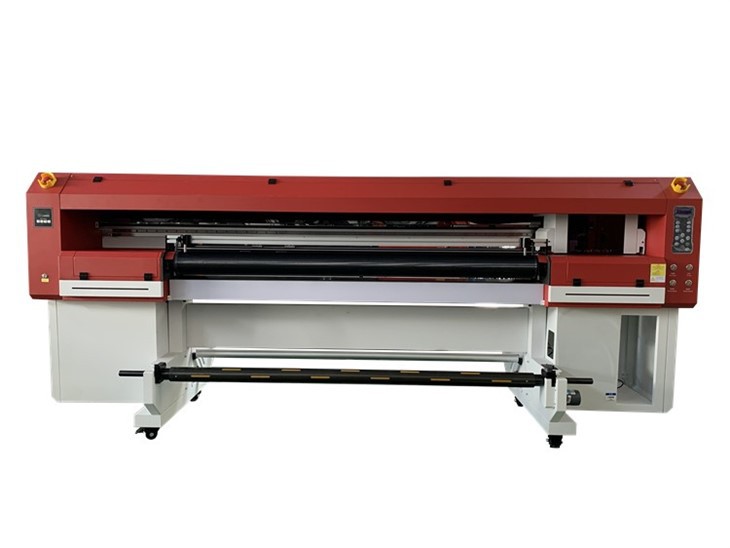
In terms of the printing process, the hybrid printer's ability to adjust the printing parameters is crucial. This includes controlling the printhead height, ink droplet size, and printing speed. For composite materials with a non - uniform surface, the printer needs to be able to adjust the printhead height dynamically to maintain a consistent distance between the printhead and the material surface. This helps to ensure that the ink is applied evenly across the entire surface of the composite material.
The ink droplet size also plays a significant role in the print quality. Smaller ink droplets can produce finer details and smoother gradients, while larger droplets are better suited for covering large areas quickly. Our hybrid printers offer the flexibility to adjust the ink droplet size according to the specific requirements of the printing job on composite materials.
Printing speed is another factor that needs to be carefully considered. While it may be tempting to print at a high speed to increase productivity, this can sometimes compromise the print quality, especially on composite materials. Slower printing speeds may be required to allow the ink to adhere properly to the surface and to ensure that the UV curing process is complete.
In practice, many industries have already started using hybrid printers to print on composite materials. In the aerospace industry, for example, composite materials are used extensively in the manufacturing of aircraft components. Hybrid printers can be used to print labels, markings, and decorative elements directly on these components, eliminating the need for additional labeling processes. In the automotive industry, composite materials are used for interior and exterior parts, and hybrid printers can be used to add branding, graphics, and instructions to these parts.
In the construction industry, composite materials such as composite panels are becoming increasingly popular. Hybrid printers can be used to print architectural designs, patterns, and textures on these panels, adding aesthetic value to the buildings. In the sports equipment industry, composite materials are used to make items such as tennis rackets and bicycles. Hybrid printers can be used to print custom graphics and logos on these products, allowing for brand differentiation and personalized designs.
To sum it up, a hybrid printer can indeed print on composite materials, but it requires careful consideration of several factors, including the surface texture of the material, ink compatibility, and printing parameters. Our range of hybrid printers, with their advanced features and capabilities, is well - equipped to handle the challenges of printing on composite materials. Whether you're looking to print on fiberglass, carbon fiber composites, or other types of composite materials, our printers can provide high - quality, durable prints.
If you're interested in exploring the possibilities of using our hybrid printers for your composite material printing needs, we invite you to get in touch with us. Our team of experts is ready to assist you in finding the best printing solutions for your specific requirements. Contact us to start a discussion about your project and discover how our hybrid printers can help you achieve your printing goals on composite materials.
References
- "Composite Materials Handbook" - A comprehensive guide to the properties and applications of composite materials.
- "UV - Curable Inks: Technology and Applications" - A resource on the features and benefits of UV - curable inks.
- Industry reports on the use of composite materials in aerospace, automotive, construction, and sports equipment industries.