

When it comes to the world of printing, UV flatbed printers have emerged as a game - changer. As a supplier of Printer UV Flatbed, I often encounter customers who are confused about the differences between small - scale and large - scale UV flatbed printers. In this blog, I'll break down these differences to help you make an informed decision when considering a purchase.
1. Printing Area
One of the most obvious differences between small - scale and large - scale UV flatbed printers is the printing area. Small - scale UV flatbed printers typically have a printing area that ranges from a few square feet to around 2 - 3 square meters. This makes them ideal for printing on smaller items such as phone cases, jewelry boxes, and small signage.
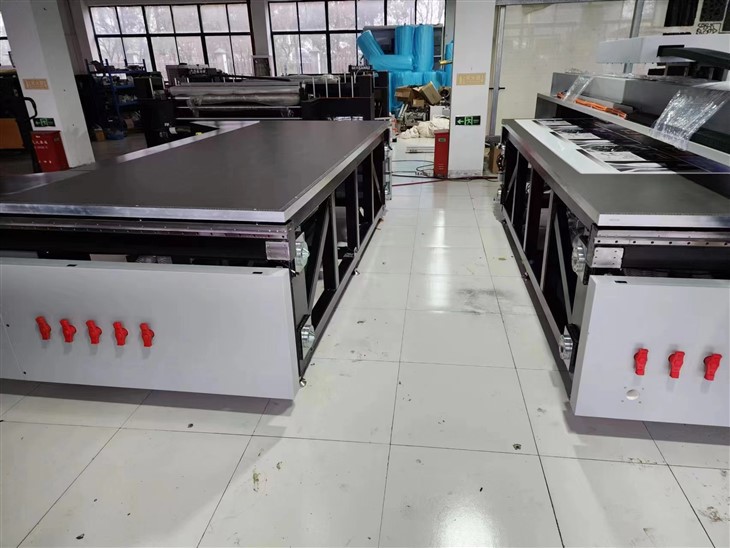
On the other hand, large - scale UV flatbed printers can have a printing area that exceeds 5 square meters or even more. These printers are suitable for printing on large - format materials like large banners, billboards, and large panels used in construction and interior decoration. For example, if you are a business that focuses on creating custom - sized wall art for commercial spaces, a Large Flatbed Printer would be a better choice as it can handle the large dimensions required.
2. Production Capacity
Production capacity is another crucial factor that sets small - scale and large - scale UV flatbed printers apart. Small - scale printers are generally designed for low - volume production. They are perfect for small businesses, startups, or hobbyists who need to print a limited number of items. These printers can produce a few dozen to a few hundred prints per day, depending on the complexity of the design and the size of the items.
In contrast, large - scale UV flatbed printers are built for high - volume production. They can churn out hundreds or even thousands of prints in a single day. This makes them a great option for large - scale printing companies, mass - production facilities, and businesses that need to meet large - scale orders within a short time frame. For instance, a company that supplies large - quantity promotional items for corporate events would benefit greatly from a large - scale printer's high production capacity.
3. Cost
Cost is always a significant consideration when purchasing a printer. Small - scale UV flatbed printers are generally more affordable both in terms of the initial purchase price and the operating costs. The lower price tag makes them accessible to small businesses and individuals with limited budgets. Additionally, they consume less power and use less ink, which further reduces the long - term operating costs.
Large - scale UV flatbed printers, however, come with a higher price tag. The initial investment can be substantial, and they also require more power to operate. Moreover, the cost of ink and maintenance for large - scale printers is usually higher due to their larger size and more complex components. But it's important to note that for businesses with high - volume printing needs, the return on investment can be significant over time as they can produce more prints and generate more revenue.
4. Mobility and Space Requirements
Small - scale UV flatbed printers are more compact and lightweight, which makes them highly mobile. They can be easily moved around within a small workspace or even transported to different locations if needed. This makes them suitable for businesses that may need to set up temporary printing stations or work in different environments.
Large - scale UV flatbed printers, on the other hand, are large and heavy. They require a dedicated, spacious area in a printing facility. The installation process can also be more complex and may require professional assistance. However, the large size also provides stability during the printing process, which can result in more accurate and high - quality prints.
5. Print Quality and Versatility
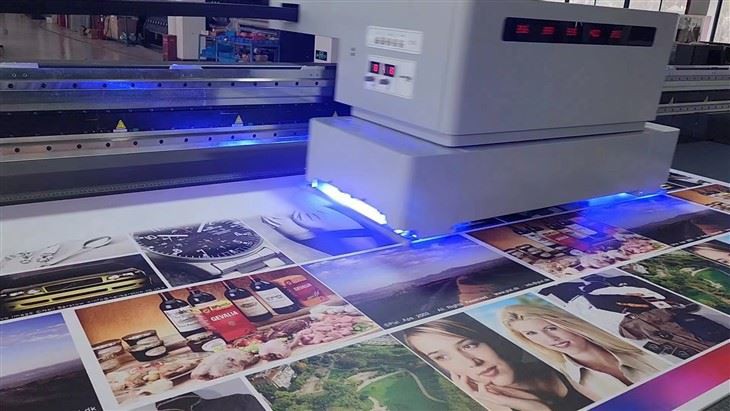
In terms of print quality, both small - scale and large - scale UV flatbed printers can produce high - resolution prints. However, large - scale printers often come with more advanced printing technology and a larger number of print heads, which can result in even more detailed and precise prints, especially on large - format materials.
When it comes to versatility, small - scale printers are more flexible in terms of the types of materials they can print on. They can handle a wide range of small - sized materials, including plastics, wood, glass, and metal. Large - scale printers, while also versatile, may be more optimized for large - format materials. For example, a small - scale printer can easily print on small ceramic tiles, while a large - scale printer may be better suited for large - format PVC boards.
6. Software and Control Systems
Modern UV flatbed printers are equipped with advanced software and control systems. Small - scale printers usually come with user - friendly software that is easy to learn and operate. This makes them ideal for beginners or those with limited technical knowledge. The software allows for basic functions such as design import, print layout adjustment, and color management.
Large - scale printers often feature more sophisticated software and control systems. These systems can handle complex printing tasks, such as multi - layer printing, variable data printing, and advanced color calibration. They also offer more advanced automation features, which can streamline the production process and increase efficiency. However, the learning curve for these systems may be steeper.
Conclusion
In conclusion, the choice between a small - scale and large - scale UV flatbed printer depends on your specific business needs, budget, and production requirements. If you are a small business or an individual looking for a cost - effective solution for low - volume, small - sized printing, a small - scale UV Flatbed Inkjet Printer may be the right choice for you. On the other hand, if you are a large - scale printing company or a business with high - volume, large - format printing needs, a large - scale Flatbed Digital Printer would be more suitable.
If you are still unsure which type of printer is best for your business, or if you have any questions about our Printer UV Flatbed products, we encourage you to contact us for a detailed consultation. Our team of experts is ready to assist you in making the right decision based on your unique requirements.
References
- "The Ultimate Guide to UV Flatbed Printing," Industry Printing Magazine, 2022.
- "Comparing Small - Scale and Large - Scale Printing Technologies," Printing Technology Journal, 2023.