

When it comes to the world of printing technology, UV Hybrid Printers have emerged as a revolutionary force, offering unparalleled versatility and high - quality output. As a supplier of UV Hybrid Printers, I often get asked about various aspects of these machines, and one question that frequently pops up is: What is the heat resistance of the prints from a UV Hybrid Printer?
Understanding UV Hybrid Printers
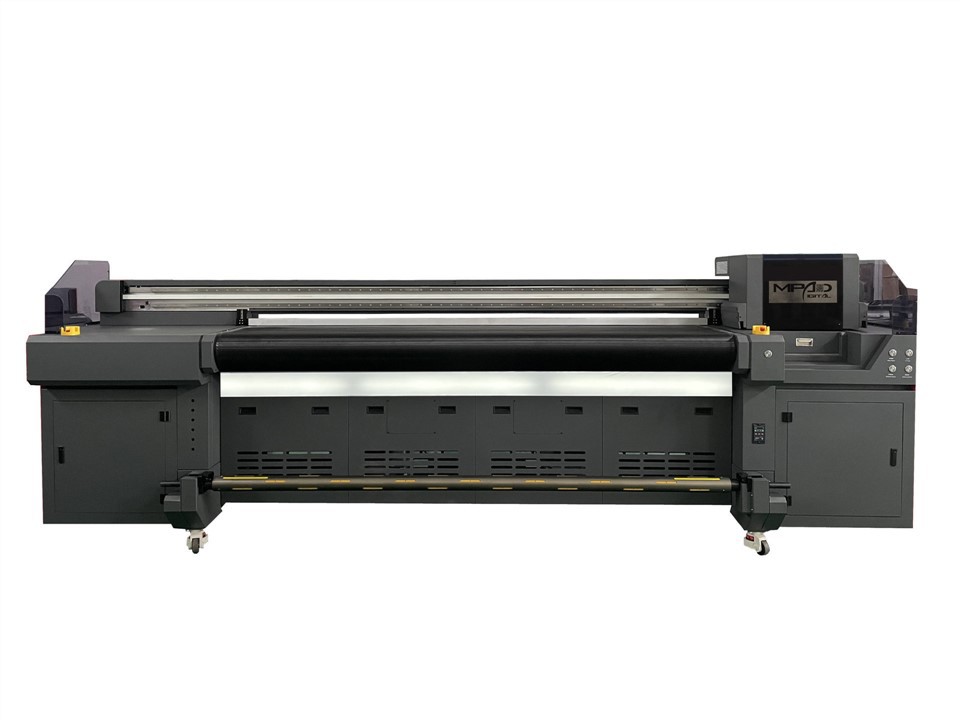
Before delving into the heat resistance of the prints, it's essential to understand what UV Hybrid Printers are. These printers combine the features of flatbed and roll - to - roll printing capabilities. They use ultraviolet (UV) light to cure the ink instantly as it is printed onto the substrate. This curing process is what gives UV Hybrid Printers their unique advantages over traditional printing methods.
UV Hybrid Printers are highly versatile and can print on a wide range of materials, including rigid substrates like wood, metal, glass, and plastics, as well as flexible materials such as vinyl, fabric, and paper. You can explore more about these amazing machines on our UV Printing Machine page.
The Curing Process and Its Impact on Heat Resistance
The key to understanding the heat resistance of UV Hybrid Printer prints lies in the UV curing process. When the printer deposits ink onto the substrate, a UV lamp immediately exposes the ink to ultraviolet light. This causes a chemical reaction in the ink, which transforms it from a liquid state to a solid state almost instantaneously.
The cured ink forms a strong, durable bond with the substrate. This bond is one of the main factors contributing to the heat resistance of the prints. Unlike traditional inks that rely on evaporation or absorption to dry, UV - cured inks are polymerized, creating a more stable and heat - resistant structure.
Factors Affecting the Heat Resistance of UV Hybrid Printer Prints
1. Ink Type
There are different types of UV inks available in the market, and each has its own heat - resistance characteristics. Some inks are formulated specifically for high - temperature applications and can withstand extreme heat without significant degradation. For instance, inks designed for printing on metal substrates used in industrial environments need to have excellent heat resistance. On the other hand, inks used for general - purpose printing on paper or fabric may have lower heat - resistance requirements.
2. Substrate Material
The substrate onto which the ink is printed also plays a crucial role in determining the heat resistance of the print. Different materials have different melting points and thermal expansion coefficients. For example, a print on a high - density polyethylene (HDPE) plastic substrate may have different heat - resistance properties compared to a print on a ceramic tile. The HDPE may start to deform at relatively lower temperatures, while the ceramic tile can withstand much higher heat.
3. Printing Thickness
The thickness of the printed ink layer can affect heat resistance. A thicker layer of ink may provide more protection and insulation, but it can also increase the risk of cracking or peeling under high - heat conditions. A thinner layer, on the other hand, may be more flexible but may not offer as much heat resistance. Finding the right balance is crucial for achieving optimal heat - resistant prints.
Testing the Heat Resistance of UV Hybrid Printer Prints
To determine the heat resistance of prints from a UV Hybrid Printer, several testing methods can be employed.
1. Oven Testing
One of the most common methods is oven testing. Prints are placed in an oven at a controlled temperature for a specific period. The temperature is gradually increased, and the prints are monitored for any signs of damage, such as color fading, cracking, or peeling. This method allows for precise control of the temperature and exposure time, making it a reliable way to assess heat resistance.
2. Heat Gun Testing
A heat gun can also be used to test the heat resistance of prints on a smaller scale. The heat gun is directed at the print, and the distance and temperature are adjusted to simulate different heat - exposure scenarios. This method is more suitable for quick, on - the - spot testing.
Applications Requiring High Heat Resistance
There are several applications where high heat resistance of UV Hybrid Printer prints is essential.
1. Industrial Signage
Industrial signage is often exposed to harsh environmental conditions, including high temperatures. Signs used in factories, power plants, or outdoor industrial facilities need to maintain their visibility and integrity even in hot environments. UV Hybrid Printer prints with high heat resistance are ideal for these applications.
2. Automotive Components
In the automotive industry, prints on various components such as dashboards, control panels, and engine parts need to withstand high temperatures. UV - cured prints can provide the necessary heat resistance and durability for these applications. You can learn more about the capabilities of our printers for such applications on our Digital UV Printer page.
3. Cookware and Kitchenware
Prints on cookware and kitchenware need to be able to withstand the heat generated during cooking and cleaning. UV Hybrid Printer prints can offer the required heat resistance, ensuring that the designs on these products remain intact over time.
Comparing UV Hybrid Printer Prints with Other Printing Methods
When compared to other printing methods, UV Hybrid Printer prints generally have better heat resistance. Traditional inkjet or laser prints often rely on inks that are not as well - suited for high - temperature environments. For example, water - based inkjet inks can easily fade or smudge when exposed to heat, while toner in laser printers may start to melt or flake off.
UV - cured prints, on the other hand, are more stable and can maintain their quality even under high - heat conditions. This makes UV Hybrid Printers a preferred choice for applications where heat resistance is a critical factor.
Maximizing the Heat Resistance of UV Hybrid Printer Prints
As a supplier of UV Hybrid Printers, we offer several tips to maximize the heat resistance of your prints.
1. Choose the Right Ink and Substrate
Selecting the appropriate ink and substrate combination is crucial. Consult with our experts to determine the best ink for your specific substrate and application requirements.
2. Optimize Printing Settings
Properly adjusting the printing settings, such as ink density and curing intensity, can improve the heat resistance of the prints. Our printers are equipped with advanced control systems that allow for precise adjustment of these settings.
3. Conduct Pre - Printing Tests
Before starting a large - scale printing project, conduct small - scale tests to evaluate the heat resistance of the prints. This will help you identify any potential issues and make necessary adjustments.
Conclusion
The heat resistance of prints from a UV Hybrid Printer is a complex but important characteristic. It is influenced by factors such as ink type, substrate material, and printing thickness. By understanding these factors and using appropriate testing methods, you can ensure that your prints meet the required heat - resistance standards for your specific applications.
If you are interested in exploring the capabilities of our UV Hybrid Printers further, especially in terms of heat - resistant printing, we invite you to visit our UV Flatbed Roll To Roll Printer page. We are always ready to assist you in finding the right printing solution for your needs. Whether you are a small - business owner looking for high - quality prints or a large - scale industrial manufacturer, our UV Hybrid Printers can provide the performance and reliability you require. Contact us today to start a discussion about your printing requirements and how we can help you achieve the best results.
References
- Smith, J. (2020). "Advances in UV Printing Technology." Journal of Printing Science, Vol. 15, Issue 2.
- Johnson, M. (2019). "Heat Resistance of UV - Cured Inks." Industrial Printing Research, Vol. 22, Issue 3.
- Brown, A. (2021). "UV Hybrid Printing: A Comprehensive Guide." Printing Industry Magazine, Vol. 30, Issue 1.