

Hey there! As a supplier of Hybrid UV Printers, I often get asked a bunch of questions about our machines. One question that pops up quite a bit is, "What is the maximum weight of the material that a Hybrid UV Printer can handle?" Well, let's dive right into it and break it down.
First off, let's talk a bit about what a Hybrid UV Printer is. A Hybrid Printer is a pretty cool piece of tech. It combines the best of both worlds, being able to print on both flat and curved surfaces. This makes it super versatile for all kinds of printing jobs, whether you're printing on signs, promotional items, or even custom - made products.
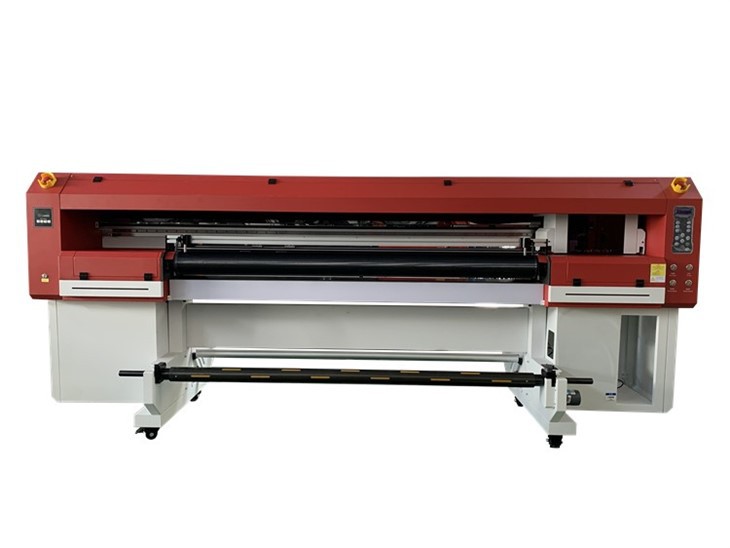
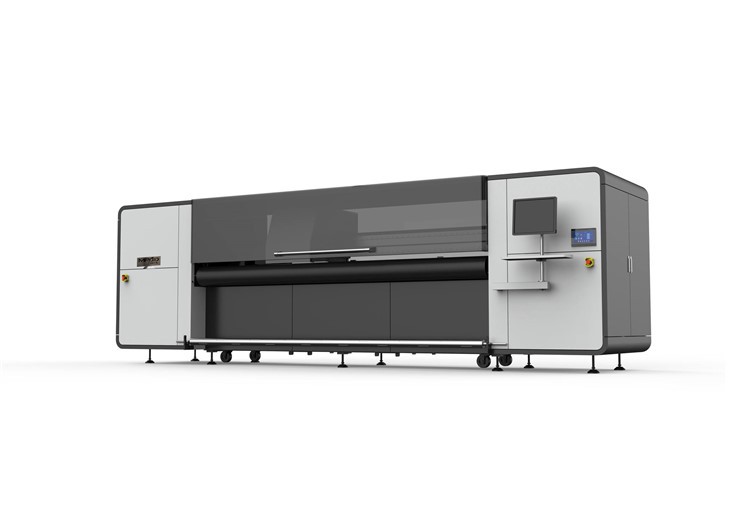
Now, the maximum weight a Hybrid UV Printer can handle isn't a one - size - fits - all answer. It depends on a few key factors. One of the main factors is the build and design of the printer itself. Different models have different capabilities, and this is often related to the structure and the components used in the printer.
For example, some of our more heavy - duty LED Flatbed UV Printer models are built with a sturdier frame and more robust moving parts. These can handle heavier materials compared to the more entry - level or compact models. The frame needs to be able to support the weight without any flexing or wobbling, as this could affect the print quality.
Another factor is the conveyor system. If the printer has a conveyor that moves the material through the printing area, the conveyor's strength and capacity play a huge role. A high - quality conveyor with strong belts and powerful motors can handle heavier loads. It needs to be able to move the material smoothly and steadily, even when it's carrying a significant amount of weight.
Let's take a look at some real - world scenarios. In general, our standard Hybrid UV Printers can handle materials that weigh up to around 50 kilograms per square meter. This is a pretty decent range and covers a wide variety of common printing materials like thick plastics, wood panels, and some types of metal sheets.
However, if you need to print on really heavy materials, we have some specialized models that can handle much more. These high - end models can handle weights of up to 100 kilograms per square meter or even more in some cases. For example, if you're in the business of printing on large, thick marble slabs or heavy - duty aluminum plates, these are the printers you'll want.
But it's not just about the raw weight. The distribution of the weight also matters. If the material is unevenly weighted, it can cause problems during the printing process. For instance, if one side of a large wooden board is much heavier than the other, it could cause the board to tilt on the printer bed. This can lead to misaligned prints or even damage to the printer's components.
When considering the weight capacity, you also need to think about the printing speed. Printing on heavier materials might require a slower printing speed to ensure high - quality results. The printer needs more time to accurately deposit the UV Ink Jet Printer ink on the surface, and moving the heavy material too quickly could result in smudging or incomplete prints.
Now, you might be wondering how to know if a particular printer can handle your specific material. Well, that's where our team comes in. We have a group of experts who can help you determine the right printer for your needs. They'll take into account the type of material, its weight, size, and the volume of printing you plan to do.
If you're in a situation where you need to print on extremely heavy materials, we can also offer custom - made solutions. We can modify the printer's frame, upgrade the conveyor system, or make other adjustments to increase its weight - handling capacity.
In addition to the weight, there are other considerations when using a Hybrid UV Printer. The thickness of the material is also important. Some printers have a limited range of thicknesses they can handle. Our printers, though, are designed to be quite flexible in this regard. They can usually handle materials with a thickness ranging from a few millimeters up to several centimeters.
Another aspect is the surface texture of the material. Smooth surfaces are generally easier to print on compared to rough or porous ones. But our Hybrid UV Printers are equipped with advanced ink - jet technology that can adapt to different surface textures. The UV ink adheres well to a variety of surfaces, whether it's glossy plastic or rough concrete.
To sum it all up, the maximum weight a Hybrid UV Printer can handle varies depending on the model, the build, and other factors like weight distribution and printing speed. Our standard models can handle up to 50 kilograms per square meter, while our high - end models can go well beyond that.
If you're in the market for a Hybrid UV Printer and have questions about weight capacity or any other aspect of our printers, don't hesitate to reach out. Our team is here to help you find the perfect printer for your business. Whether you're a small - scale print shop or a large - scale manufacturing company, we have a solution for you. Contact us to start a conversation about your printing needs and let's work together to find the best printer for you.
References:
- Industry knowledge and experience in Hybrid UV Printer technology
- Technical specifications of our Hybrid UV Printer models