

As a supplier of Hybrid UV Printers, I often encounter questions from customers regarding the printing resolution of these advanced machines. Printing resolution is a critical factor that significantly impacts the quality and clarity of the printed output. In this blog, I will delve into what the printing resolution of a Hybrid UV Printer is, why it matters, and how it can influence your printing projects.
Understanding Printing Resolution
Printing resolution is typically measured in dots per inch (DPI). DPI refers to the number of individual ink dots that a printer can place within a one - inch line. A higher DPI means more dots are placed in that inch, resulting in a more detailed and sharper image. For Hybrid UV Printers, the printing resolution can vary depending on the model and its intended use.
Most modern Hybrid UV Printers offer a range of printing resolutions. Common resolutions can start from around 360 DPI and go up to as high as 1440 DPI or even more in some high - end models. At a lower resolution like 360 DPI, the printer can produce relatively fast prints. This is suitable for large - format prints where a high level of detail is not the primary concern, such as some outdoor banners or large wall murals. The larger dots at this resolution are less noticeable from a distance, and the overall image can still convey the intended message effectively.
On the other hand, a high - resolution setting like 1440 DPI is ideal for applications that demand extreme detail. This could include printing photographs, high - quality product labels, or intricate artworks. At this resolution, the printer can reproduce fine lines, smooth gradients, and subtle color variations with remarkable accuracy. The small dots are so close together that the human eye perceives a continuous and highly detailed image.
Why Printing Resolution Matters in Hybrid UV Printing
The choice of printing resolution in Hybrid UV Printing can have several implications for your projects.
Image Quality
The most obvious impact is on the quality of the printed image. As mentioned earlier, a higher resolution results in a sharper, more detailed, and more realistic image. This is crucial for applications where the visual appeal of the print is of utmost importance. For example, in the fashion industry, high - resolution prints on fabric can showcase the intricate patterns and designs, enhancing the overall value of the product. In the advertising sector, high - quality prints can attract more attention and create a stronger brand impression.
Color Accuracy
Printing resolution also affects color accuracy. At a higher DPI, the printer can place ink dots more precisely, which allows for better color mixing and a wider color gamut. This means that the printed colors are more likely to match the original digital image. In applications such as product packaging, where color consistency is vital for brand recognition, a high - resolution Hybrid UV Printer can ensure that the printed colors are as accurate as possible.
Durability
Hybrid UV Printers use UV - curable inks, which are known for their durability. However, the printing resolution can also play a role in the durability of the print. A higher resolution can result in a more even distribution of ink on the substrate, which can enhance the adhesion of the ink to the surface. This can lead to a more durable print that is less likely to fade or scratch over time.
Factors Affecting Printing Resolution in Hybrid UV Printers
Several factors can influence the achievable printing resolution of a Hybrid UV Printer.
Print Head Technology
The print head is one of the most critical components of a Hybrid UV Printer. Different print head technologies have different capabilities in terms of dot placement and size. For example, some advanced print heads can produce very small and precise dots, allowing for higher resolutions. Newer models of print heads often incorporate advanced features such as variable dot technology, which can adjust the size of the ink dots based on the requirements of the image, resulting in a better balance between speed and resolution.
Substrate Compatibility
The type of substrate being printed on can also affect the printing resolution. Some substrates, such as smooth and coated papers, can support higher resolutions because they provide a better surface for the ink to adhere to and spread evenly. On the other hand, rough or porous substrates may limit the achievable resolution because the ink can be absorbed unevenly, leading to a loss of detail. Hybrid UV Printers are designed to work with a wide range of substrates, including plastics, metals, glass, and wood. However, it is important to select the appropriate substrate for the desired printing resolution.
Printer Settings
The printer settings, such as the print mode and speed, can also impact the printing resolution. Most Hybrid UV Printers offer different print modes, such as draft, normal, and high - quality. The draft mode is designed for fast printing but usually at a lower resolution. The high - quality mode, on the other hand, sacrifices speed for a higher resolution. Additionally, the printer's software allows users to adjust various parameters, such as the dot density and ink flow, which can further optimize the printing resolution for specific projects.
Applications of Different Printing Resolutions in Hybrid UV Printing
The choice of printing resolution depends on the specific application of the print.
Large - Format Printing
For large - format printing applications such as outdoor billboards, vehicle wraps, and large wall murals, a lower resolution of around 360 - 720 DPI is often sufficient. These prints are typically viewed from a distance, and a lower resolution can still produce a clear and visually appealing image. Moreover, using a lower resolution allows for faster printing, which is important for large - scale projects.
Product Labeling and Packaging
Product labels and packaging require a higher level of detail and color accuracy. A resolution of 1200 - 1440 DPI is commonly used for these applications. At this resolution, the printer can reproduce small text, fine graphics, and accurate colors, which are essential for product identification and brand promotion.
Fine Art Printing
Fine art printing demands the highest level of detail and color fidelity. Hybrid UV Printers with a resolution of 1440 DPI or higher are ideal for this application. These printers can accurately reproduce the texture, brushstrokes, and color nuances of original artworks, making them suitable for art galleries, museums, and artists who want to create high - quality reproductions of their works.
Hybrid UV Printing and Its Advantages
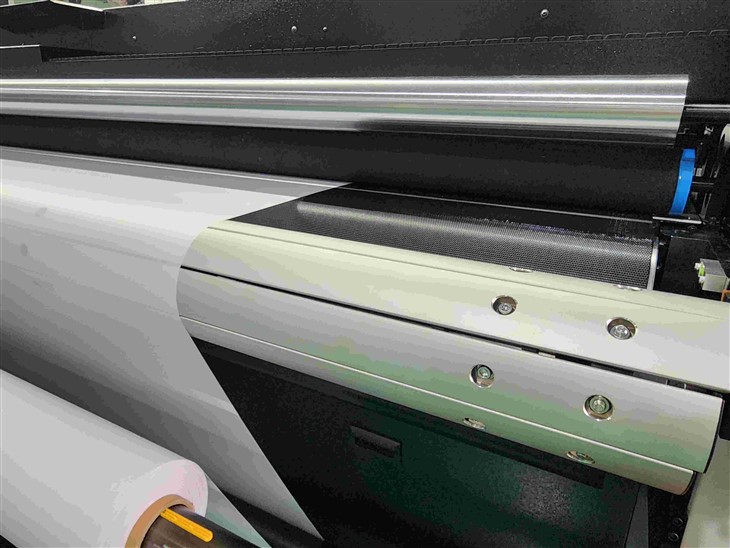
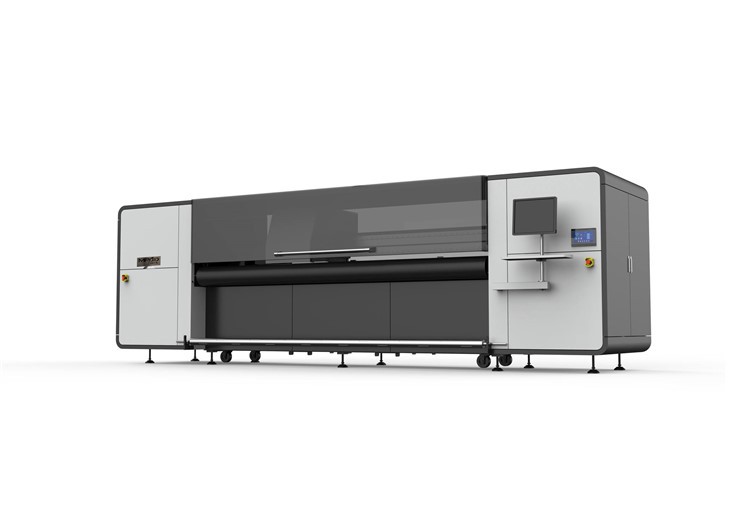
Hybrid UV Printing offers several advantages over traditional printing methods. The Hybrid UV Printing technology combines the benefits of both flatbed and roll - to - roll printing, allowing for greater flexibility in terms of substrate size and type. The UV - curable inks used in Hybrid UV Printers dry instantly when exposed to UV light, which eliminates the need for drying time and reduces the risk of smudging. This results in faster production times and higher productivity.
The Hybrid Printing Machine is also known for its environmental friendliness. UV - curable inks contain fewer volatile organic compounds (VOCs) compared to traditional inks, which makes them a more sustainable option. Additionally, the instant drying feature reduces energy consumption, as there is no need for a separate drying process.
The Digital UV Printer aspect of Hybrid UV Printers allows for easy customization and variable data printing. This means that each print can be unique, which is ideal for personalized marketing materials, promotional items, and on - demand printing.
Conclusion
In conclusion, the printing resolution of a Hybrid UV Printer is a crucial factor that can significantly impact the quality, accuracy, and durability of the printed output. Understanding the concept of DPI, the factors that affect printing resolution, and the appropriate resolution for different applications is essential for making the most of your Hybrid UV Printer.
As a supplier of Hybrid UV Printers, I am committed to providing high - quality machines that offer a wide range of printing resolutions to meet the diverse needs of our customers. Whether you are in the advertising, packaging, art, or any other industry, our Hybrid UV Printers can help you achieve outstanding printing results.
If you are interested in learning more about our Hybrid UV Printers or have any questions regarding printing resolution, please do not hesitate to contact us for a purchase consultation. We look forward to working with you to find the perfect printing solution for your business.
References
- Smith, J. (2020). The Basics of Printing Resolution. Printing Technology Journal, 15(2), 45 - 52.
- Johnson, A. (2021). Hybrid UV Printing: A Comprehensive Guide. Printing Industry Review, 22(3), 67 - 75.
- Williams, B. (2022). Factors Affecting Printing Quality in UV Printers. Journal of Graphic Arts, 30(1), 23 - 31.