

Hey there! As a supplier of Single Pass Printers, I often get asked about how these nifty machines handle print alignment. It's a crucial aspect of printing, and getting it right can make all the difference between a mediocre print job and a top - notch one. So, let's dive into the world of single - pass printing and explore how alignment works.
The Basics of Single Pass Printing
First off, what is single - pass printing? Well, unlike traditional printers that make multiple passes over the printing surface to build up the image, a single - pass printer does it all in one go. This means it can print at incredibly high speeds, making it a popular choice for large - scale production.
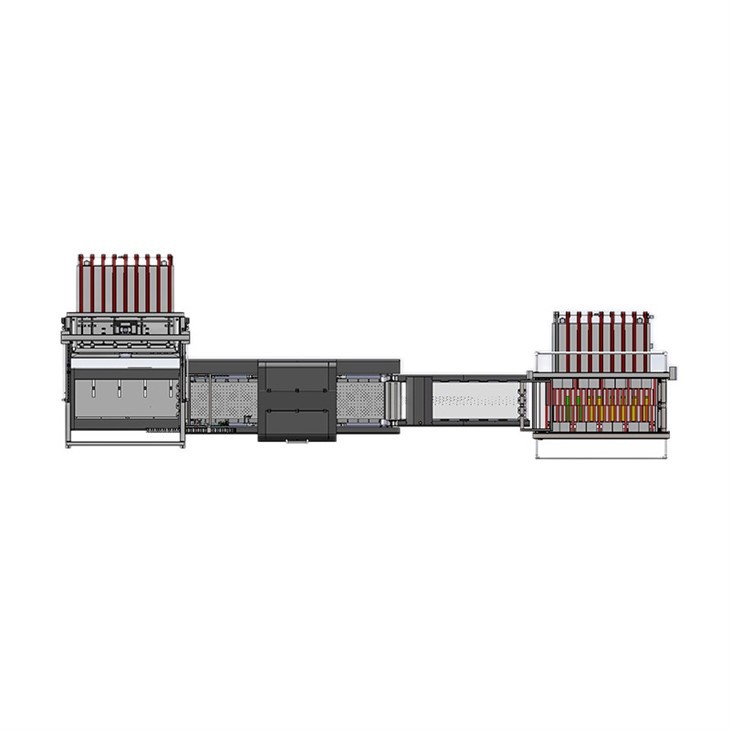
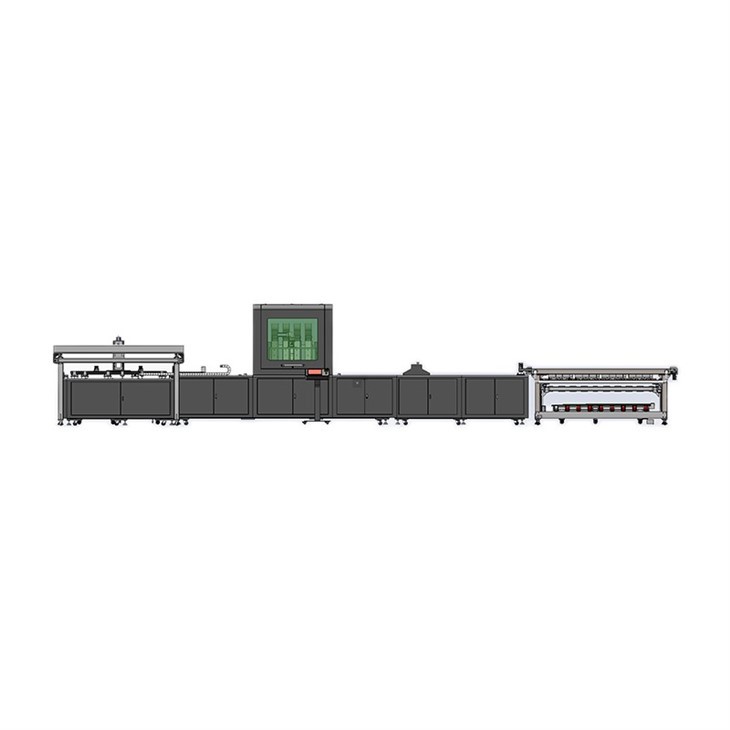
The key components of a single - pass printer include printheads, a conveyor system, and a control unit. The printheads are responsible for ejecting ink onto the substrate, the conveyor system moves the substrate through the printer, and the control unit manages the entire printing process.
Print Alignment Challenges
Print alignment might seem straightforward, but there are several challenges that a single - pass printer has to overcome. One of the main issues is ensuring that the ink droplets are deposited in the right place on the substrate. Even a tiny misalignment can result in blurry or distorted images.
Another challenge is dealing with different types of substrates. Different materials have different properties, such as absorbency, smoothness, and flexibility. These properties can affect how the ink spreads and adheres to the surface, which in turn can impact print alignment.
How Single Pass Printers Handle Print Alignment
So, how does a single - pass printer tackle these alignment challenges? Let's take a look at some of the techniques and technologies used.
Precise Printhead Placement
The printheads in a single - pass printer are carefully positioned to ensure accurate ink deposition. Manufacturers use advanced engineering techniques to place the printheads at the exact distance and angle from the substrate. This precision helps to ensure that the ink droplets land where they're supposed to, resulting in sharp and clear images.
Optical Sensors
Many single - pass printers are equipped with optical sensors. These sensors are used to detect the position of the substrate and adjust the printheads accordingly. For example, if the substrate is slightly off - center, the sensors can send a signal to the control unit, which will then adjust the printheads to compensate for the misalignment.
Software Algorithms
Software plays a crucial role in print alignment. Single - pass printers use sophisticated algorithms to calculate the optimal placement of ink droplets based on the image being printed and the properties of the substrate. These algorithms take into account factors such as the resolution of the image, the speed of the conveyor system, and the characteristics of the ink.
Calibration
Regular calibration is essential for maintaining print alignment. Single - pass printers need to be calibrated periodically to ensure that the printheads are functioning correctly and that the ink droplets are being deposited accurately. Calibration involves using test patterns and measuring the results to make any necessary adjustments.
Real - World Applications
Single - pass printers are used in a wide range of industries, and print alignment is crucial in each of these applications.
Packaging Printing
In the packaging industry, single - pass printers are used to print on materials such as cardboard, paperboard, and plastic. Accurate print alignment is essential to ensure that the branding, labels, and product information are clearly visible and correctly positioned on the packaging. For example, a Corrugated Board Printing Machine needs to print precise graphics and text on corrugated cardboard boxes, and proper alignment is key to achieving a professional look.
Label Printing
Labels are everywhere, from food products to consumer electronics. A Digital Label Printer needs to print high - quality labels with accurate alignment to ensure that the information on the label is legible and the design looks good. Misaligned labels can make a product look unprofessional and can even lead to issues with product identification and compliance.
Textile Printing
Single - pass printers are also used in textile printing. Whether it's printing patterns on clothing or home textiles, print alignment is crucial to ensure that the designs are consistent and look good. The printer needs to accurately align the ink droplets on the fabric to create sharp and vibrant images.
Benefits of Proper Print Alignment
Proper print alignment offers several benefits for both the printer operator and the end - user.
High - Quality Prints
The most obvious benefit is the production of high - quality prints. When the ink droplets are accurately aligned, the images and text look sharp, clear, and professional. This can enhance the overall appearance of the printed product and make it more appealing to customers.
Increased Productivity
Accurate print alignment also leads to increased productivity. When the printer doesn't have to waste time and resources on re - printing misaligned jobs, it can produce more prints in a shorter amount of time. This can help to reduce costs and increase profitability for the printer operator.
Reduced Waste
Proper alignment means fewer misprints, which in turn reduces waste. This is not only good for the environment but also for the bottom line. By minimizing waste, the printer operator can save on materials and ink costs.
Choosing the Right Single Pass Printer
If you're in the market for a single - pass printer, there are several factors to consider when it comes to print alignment.
Printhead Technology
Look for a printer with advanced printhead technology. High - quality printheads can provide more precise ink deposition and better alignment. For example, some printers use piezoelectric printheads, which offer greater control over the ink droplets compared to other types of printheads.
Alignment Features
Consider the alignment features of the printer. Does it have optical sensors, software algorithms, or other technologies to ensure accurate alignment? A printer with robust alignment features is more likely to produce high - quality prints consistently.
Compatibility with Substrates
Make sure the printer is compatible with the types of substrates you'll be using. Different printers have different capabilities when it comes to printing on various materials. A printer that can handle a wide range of substrates will give you more flexibility in your printing operations.
Conclusion
In conclusion, print alignment is a critical aspect of single - pass printing. Single - pass printers use a combination of precise printhead placement, optical sensors, software algorithms, and calibration to ensure accurate ink deposition and high - quality prints. Whether you're in the packaging, label, or textile industry, a One Pass UV Printer with proper alignment capabilities can make a significant difference in your printing operations.
If you're interested in learning more about our single - pass printers or have any questions about print alignment, feel free to reach out to us. We'd be happy to discuss your specific needs and help you find the right printer for your business. Let's start a conversation and take your printing to the next level!
References
- Smith, J. (2020). "Advances in Single Pass Printing Technology." Printing Industry Journal, Vol. 35, Issue 2.
- Johnson, A. (2019). "Print Alignment in Digital Printing." Digital Printing Review, Vol. 22, Issue 4.