
As a supplier of Hybrid UV Printers, I am often asked about the type of ink used in these advanced printing machines. Hybrid UV Printers offer a unique combination of flatbed and roll-to-roll printing capabilities, making them versatile for a wide range of applications. In this blog, I will delve into the different types of ink suitable for Hybrid UV Printers, their characteristics, and how they contribute to the overall performance of the printer.
Understanding Hybrid UV Printers
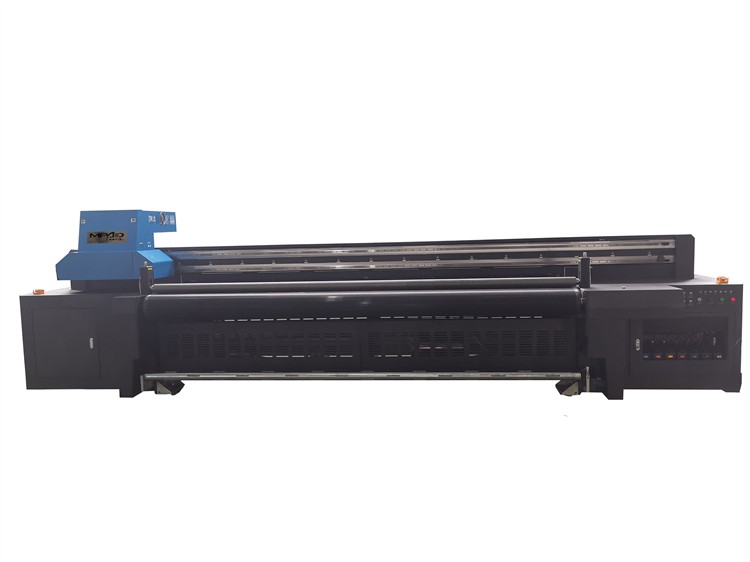
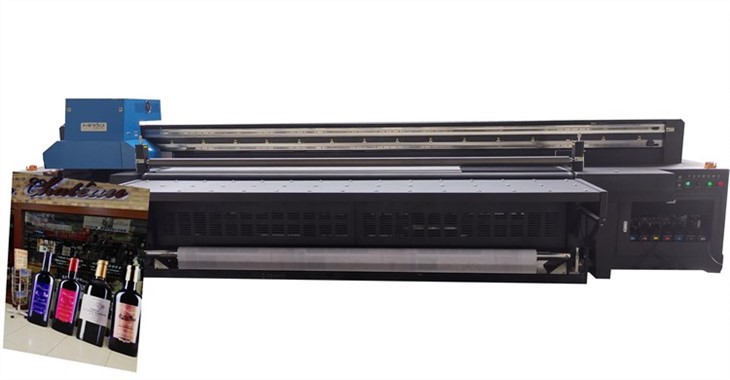
Before we discuss the ink, let's briefly understand what Hybrid UV Printers are. These printers combine the features of UV Flatbed Roll To Roll Printer and Digital UV Printer. They can print on both rigid and flexible substrates, including plastics, glass, wood, fabrics, and more. The "Hybrid" aspect comes from their ability to handle different types of materials, while the "UV" refers to the ultraviolet curing technology used to dry the ink instantly.
Types of Ink for Hybrid UV Printers
UV-Curable Ink
UV-curable ink is the most commonly used type of ink in Hybrid UV Printers. This ink is formulated to dry or cure when exposed to ultraviolet light. When the printer deposits the ink on the substrate, a UV lamp immediately follows, emitting UV light that causes the ink to polymerize and harden.
Advantages of UV-Curable Ink
- Fast Drying Time: One of the most significant advantages of UV-curable ink is its rapid drying time. Since the ink cures instantly under UV light, there is no need to wait for the ink to dry naturally. This allows for high-speed printing and reduces the risk of smudging or scratching the printed image.
- Durability: UV-curable ink forms a hard, durable layer on the substrate. It is resistant to abrasion, chemicals, and fading, making it suitable for both indoor and outdoor applications. For example, signs and banners printed with UV-curable ink can withstand harsh weather conditions without losing their color or quality.
- Versatility: UV-curable ink can be used on a wide variety of substrates, including non-porous materials such as plastics and glass. This makes it ideal for Hybrid UV Printers, which are designed to print on different types of materials.
Disadvantages of UV-Curable Ink
- Higher Cost: UV-curable ink is generally more expensive than traditional solvent-based or water-based inks. The cost of the ink, along with the UV curing equipment, can be a significant investment for some businesses.
- Special Handling Requirements: UV-curable ink can be sensitive to light and heat. It must be stored in a cool, dark place to prevent premature curing. Additionally, proper ventilation is required when using UV-curable ink to avoid inhaling any fumes.
Solvent-Based Ink
Although less common in Hybrid UV Printers, solvent-based ink can also be used in some models. Solvent-based ink contains volatile organic compounds (VOCs) that evaporate when the ink is exposed to air, leaving behind the pigment on the substrate.
Advantages of Solvent-Based Ink
- Good Adhesion: Solvent-based ink has excellent adhesion to a variety of substrates, especially porous materials such as paper and fabric. It can penetrate the surface of the substrate, creating a strong bond between the ink and the material.
- Low Cost: Solvent-based ink is generally less expensive than UV-curable ink. This makes it a more cost-effective option for businesses with a limited budget.
Disadvantages of Solvent-Based Ink
- Slow Drying Time: Unlike UV-curable ink, solvent-based ink takes longer to dry. This can slow down the printing process and increase the risk of smudging or scratching the printed image.
- Environmental Concerns: Solvent-based ink contains VOCs, which can be harmful to the environment and human health. Proper ventilation is required when using solvent-based ink to prevent the release of these harmful chemicals into the air.
Water-Based Ink
Water-based ink is another option for Hybrid UV Printers, especially for applications that require a more environmentally friendly solution. This ink uses water as the main solvent, with pigments and additives to provide color and stability.
Advantages of Water-Based Ink
- Environmentally Friendly: Water-based ink is non-toxic and does not contain VOCs. It is a more sustainable option for businesses that are concerned about their environmental impact.
- Good Color Quality: Water-based ink can produce vibrant, high-quality colors. It is suitable for printing on materials such as paper, fabric, and some plastics.
Disadvantages of Water-Based Ink
- Limited Durability: Water-based ink is not as durable as UV-curable ink. It is more susceptible to abrasion, water, and fading, making it less suitable for outdoor applications or products that will be exposed to harsh conditions.
- Slow Drying Time: Similar to solvent-based ink, water-based ink takes longer to dry compared to UV-curable ink. This can slow down the printing process and may require additional drying equipment.
Factors to Consider When Choosing Ink
When choosing the right ink for your Hybrid UV Printer, several factors need to be considered.
Substrate Material
The type of substrate you will be printing on is one of the most important factors to consider. Different inks have different adhesion properties and are suitable for different types of materials. For example, UV-curable ink is ideal for non-porous materials such as plastics and glass, while solvent-based and water-based inks are better suited for porous materials such as paper and fabric.
Application
The intended application of the printed product also plays a role in ink selection. If you are printing signs or banners for outdoor use, UV-curable ink is the best choice due to its durability and weather resistance. On the other hand, if you are printing on paper or fabric for indoor use, water-based or solvent-based ink may be sufficient.
Cost
Cost is always a consideration when choosing ink. UV-curable ink is generally more expensive than solvent-based or water-based ink, but it offers many advantages in terms of speed, durability, and quality. You need to weigh the cost of the ink against the benefits it provides and determine what is most important for your business.
Printing Speed
If you require high-speed printing, UV-curable ink is the clear choice. Its fast drying time allows for continuous printing without the need to wait for the ink to dry. Solvent-based and water-based inks, on the other hand, have slower drying times, which can limit the printing speed.
Conclusion
Choosing the right ink for your Hybrid UV Printer is crucial for achieving high-quality, durable prints. UV-curable ink is the most popular choice due to its fast drying time, durability, and versatility. However, solvent-based and water-based inks also have their advantages and may be suitable for certain applications.
As a supplier of Hybrid Flatbed Printers, we can provide you with expert advice on the best type of ink for your specific needs. Whether you are printing on rigid or flexible substrates, for indoor or outdoor use, we have the solution for you.
If you are interested in learning more about our Hybrid UV Printers or need help choosing the right ink, please contact us for a consultation. We look forward to working with you to meet your printing requirements.
References
- "UV Printing Technology: A Comprehensive Guide." Smith, John. Printing Industry Journal, 2020.
- "Ink Selection for Hybrid Printers." Johnson, Mary. Digital Printing Magazine, 2021.
- "The Future of Hybrid UV Printing." Brown, David. Graphic Arts Monthly, 2022.