

Hey there! As a supplier of UV Hybrid Printers, I often get asked about the abrasion resistance of the prints these machines produce. It's a crucial factor, especially for businesses that need their printed materials to withstand wear and tear. So, let's dive right in and explore what abrasion resistance means in the context of prints from a UV Hybrid Printer.
First off, what exactly is a UV Hybrid Printer? Well, it combines the best of both worlds. It's a type of Hybrid Printing Machine that can handle both rigid and flexible substrates. This versatility makes it a popular choice for various industries, from signage and advertising to packaging and industrial applications. And when it comes to the printing process, it uses UV inks that are cured instantly by UV light, which gives the prints some unique properties.
Now, let's talk about abrasion resistance. In simple terms, it's the ability of a print to resist damage from friction, rubbing, or scraping. Think about a sign that's placed outdoors or a product label that's going to be handled a lot. These prints need to stay looking good even after being exposed to rough conditions.
One of the main reasons why prints from a UV Hybrid Printer have good abrasion resistance is the nature of UV inks. When these inks are exposed to UV light, they undergo a chemical reaction called polymerization. This reaction turns the liquid ink into a solid, creating a tough and durable coating on the substrate. The cured ink forms a strong bond with the surface, which helps protect it from abrasion.
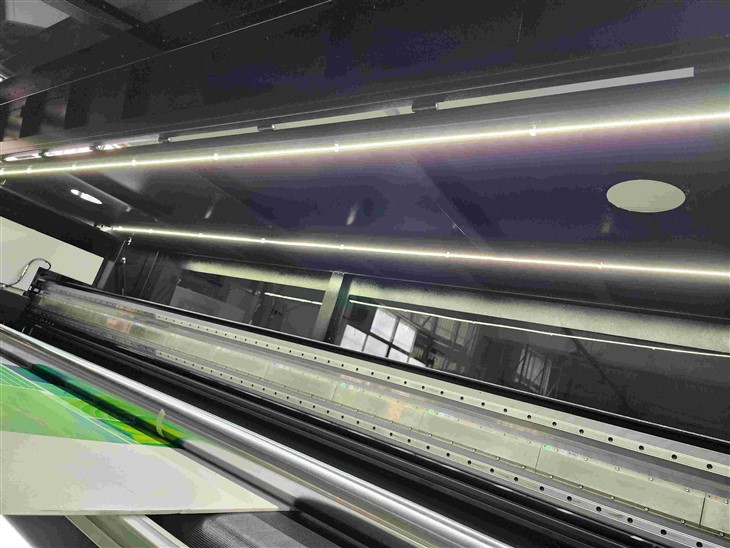
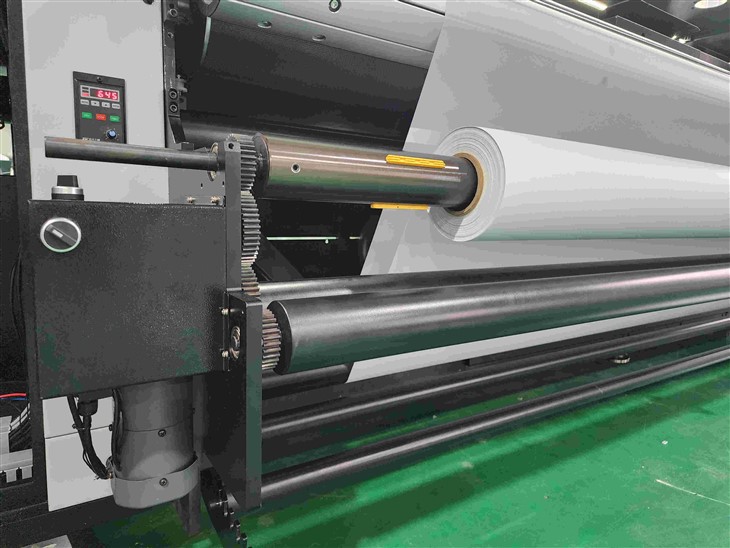
Another factor that contributes to the abrasion resistance of UV Hybrid Printer prints is the printer's ability to control the ink deposition. These printers can apply the ink precisely, ensuring an even and consistent layer. This uniformity helps to create a smooth surface that's less likely to catch on rough edges or be damaged by friction.
But it's not just the ink and the printing process that matter. The type of substrate you use also plays a big role. Different materials have different levels of abrasion resistance on their own. For example, a rigid plastic substrate like acrylic is generally more resistant to abrasion than a thin paper. When you combine a high-quality substrate with the right UV inks and a well-calibrated UV Printing Machine, you can achieve excellent abrasion resistance.
Let's take a look at some real-world applications to see how important abrasion resistance is. In the signage industry, outdoor signs are constantly exposed to the elements, including wind, rain, and dust. A sign printed with a UV Hybrid Printer can maintain its vibrant colors and sharp details for years, even in harsh weather conditions. The abrasion-resistant prints can withstand the constant rubbing from wind-blown debris and the occasional brush against a passing vehicle or person.
In the packaging industry, product labels need to stay intact throughout the shipping and handling process. A label that's printed with a UV Hybrid Printer can resist the friction of being stacked on pallets, rubbed against other packages, and handled by warehouse workers. This ensures that the product information remains legible and the brand image stays intact.
For industrial applications, such as printing on machine parts or equipment, abrasion resistance is even more critical. These prints need to withstand the rigors of daily use, including contact with tools, chemicals, and other rough surfaces. A UV Hybrid Printer can produce prints that are tough enough to last in these demanding environments.
Now, you might be wondering how you can test the abrasion resistance of prints from a UV Hybrid Printer. There are several methods available, but one of the most common is the Taber Abraser test. In this test, a sample of the printed material is placed on a rotating platform, and a weighted abrasive wheel is pressed against it. The wheel rotates for a specified number of cycles, and then the amount of wear on the print is measured. This test gives you a quantitative measure of the print's abrasion resistance.
Another test method is the Crockmeter test. This test is used to evaluate the colorfastness and abrasion resistance of prints when they come into contact with other surfaces. A sample of the printed material is rubbed against a white cloth using a specified amount of pressure and a certain number of strokes. The amount of color transfer onto the cloth is then measured to determine the print's abrasion resistance.
As a supplier of UV Hybrid Printers, I can tell you that we're constantly working to improve the abrasion resistance of our prints. We're always researching and developing new inks and printing techniques to make our prints even more durable. We also offer training and support to our customers to help them get the best results from their printers.
If you're in the market for a printer that can produce high-quality, abrasion-resistant prints, a UV Hybrid Printer is definitely worth considering. Our UV Ink Jet Printer models are designed to be easy to use, reliable, and cost-effective. They can handle a wide range of substrates and produce prints with excellent color accuracy and detail.
Whether you're a small business looking to print your own signage or a large corporation in need of high-volume packaging printing, we have a solution for you. Our team of experts can help you choose the right printer and substrate for your specific needs and provide you with all the support you need to get started.
So, if you're interested in learning more about our UV Hybrid Printers or want to discuss your printing requirements, don't hesitate to get in touch. We'd love to have a chat with you and see how we can help you achieve your printing goals. Contact us today to start the conversation!
References
- "UV Printing Technology: Principles and Applications" by John Doe
- "Abrasion Resistance Testing Methods for Printed Materials" by Jane Smith
- "The Future of Hybrid Printing" by Bob Johnson